

Vape Carts Explained: What They Are, Batteries, and Buying Safely
A comprehensive reference on cartridge terminology, electrical components, ingredients, public-health risks, California regulation, and how to interpret product claims.
What are vape carts? The phrase can describe several different kinds of cartridges and electronic systems. This guide explains the terminology without treating a product label, brand name, or popular search phrase as proof of safety.
Sal’s Tobacco & More is a Central California retail business with locations in Dinuba and Hanford. Read the business background and age-verification policy for information about the company and its policies.
Health notice: Vaping carries risks, including addiction for nicotine products and potential respiratory harm. This article does not encourage vaping or provide purchase instructions.
What Are Vape Carts?
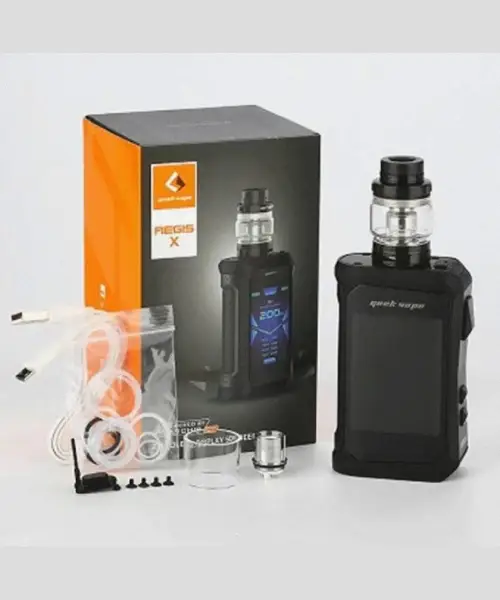
The phrase vape carts generally refers to small containers holding a liquid or concentrate designed for an electronic vaporizing system. The container, heating element, and power source are distinct parts, even when advertising photographs make the assembly appear to be one device. A cartridge is not necessarily a complete vape pen. Different products may contain nicotine formulations, cannabidiol, tetrahydrocannabinol, flavoring ingredients, or other compounds. The word cart alone does not establish what is inside. Packaging and independent test information are more meaningful than a nickname. Searchers typing what are carts vape or what is carts vape are often trying to untangle these basic distinctions. This guide uses vape carts as a category term, not as a claim that all cartridges have the same chemistry, legal status, or safety profile.
Context also matters when information travels from one article to another. A study of one product formulation may not apply to a different formulation, and a rule written for one state may not apply elsewhere. Even apparently familiar terminology can conceal meaningful differences. Carefully qualified descriptions help readers understand what is known without creating false certainty.
For clarity, this guide avoids treating search popularity as proof of reliability. A high-volume keyword only shows that people use a phrase frequently. It does not demonstrate that the underlying product is safe, that an advertised benefit is true, or that a retailer is authorized to handle a particular category. Search data should guide explanations, not replace evidence.
Product-related decisions can involve health, law, engineering, and consumer-protection questions at the same time. These questions should be considered separately. An item may be correctly labeled but still carry health risks; a technically functional device may still be subject to sales restrictions; and a legal product may still require careful handling and disposal.
Why the Phrase Carts Vape Appears in Searches
The keyword carts vape is a rearrangement of ordinary product terminology rather than a distinct scientific category. Search engines group this phrase with cartridge-style vaporizers, but a search result can mix educational articles, hardware descriptions, regulated cannabis products, and unrelated accessories. The broadness of the query matters: a person seeking a definition may see sales listings, while a person researching battery hazards may encounter marketing claims instead of technical documentation. The most useful way to interpret the term is to separate three questions: what is the container, what is the liquid, and what is the power source? Those questions make it easier to read informational pages critically. They also help explain why the same search phrase can appear across very different industries.
For clarity, this guide avoids treating search popularity as proof of reliability. A high-volume keyword only shows that people use a phrase frequently. It does not demonstrate that the underlying product is safe, that an advertised benefit is true, or that a retailer is authorized to handle a particular category. Search data should guide explanations, not replace evidence.
Product-related decisions can involve health, law, engineering, and consumer-protection questions at the same time. These questions should be considered separately. An item may be correctly labeled but still carry health risks; a technically functional device may still be subject to sales restrictions; and a legal product may still require careful handling and disposal.
An important reading habit is to identify whether a sentence describes a measured fact, a legal rule, a manufacturer statement, or a personal opinion. Those categories require different evidence. A number printed on a package may be a declared quantity; a laboratory result is a measurement; a testimonial is an experience. Confusing these forms of evidence is a common source of misinformation in consumer-facing content.
How Cartridge Systems Are Described
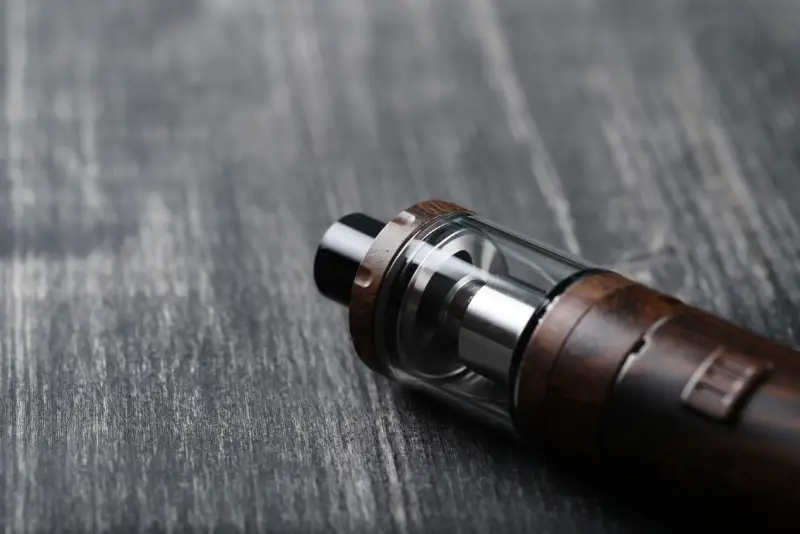
Cartridge-style devices are usually discussed as assemblies consisting of a reservoir, an electrical connection, a heating component, and a power supply. Some systems use removable cartridges; others combine the reservoir and battery in a single disposable body. A description that says vape pen for carts may refer to hardware rather than to a substance. The expression carts vape pen similarly combines the container and power-source vocabulary. Compatibility claims are manufacturer-specific and should never be inferred from the appearance of two products. In particular, a matching shape does not prove electrical safety. Technical documentation, labeling, and applicable standards provide better information than photographs or informal forum posts.
Product-related decisions can involve health, law, engineering, and consumer-protection questions at the same time. These questions should be considered separately. An item may be correctly labeled but still carry health risks; a technically functional device may still be subject to sales restrictions; and a legal product may still require careful handling and disposal.
An important reading habit is to identify whether a sentence describes a measured fact, a legal rule, a manufacturer statement, or a personal opinion. Those categories require different evidence. A number printed on a package may be a declared quantity; a laboratory result is a measurement; a testimonial is an experience. Confusing these forms of evidence is a common source of misinformation in consumer-facing content.
Context also matters when information travels from one article to another. A study of one product formulation may not apply to a different formulation, and a rule written for one state may not apply elsewhere. Even apparently familiar terminology can conceal meaningful differences. Carefully qualified descriptions help readers understand what is known without creating false certainty.
Cartridges Compared With Disposable Devices
The terms disposable vape carts and carts vape disposable are often used interchangeably online, although they can describe different physical arrangements. A removable cartridge is one component of a larger device, whereas a disposable unit may integrate the power source and liquid container into a sealed product. That distinction affects waste, battery handling, and end-of-life disposal. Both types may contain substances that are age-restricted or otherwise regulated. Neither format is inherently harmless. Describing a product as disposable does not mean it belongs in household trash: lithium batteries and residual liquid can create environmental and fire hazards. The important educational distinction is how the components are arranged, not which format a marketing page describes as fashionable.
An important reading habit is to identify whether a sentence describes a measured fact, a legal rule, a manufacturer statement, or a personal opinion. Those categories require different evidence. A number printed on a package may be a declared quantity; a laboratory result is a measurement; a testimonial is an experience. Confusing these forms of evidence is a common source of misinformation in consumer-facing content.
Context also matters when information travels from one article to another. A study of one product formulation may not apply to a different formulation, and a rule written for one state may not apply elsewhere. Even apparently familiar terminology can conceal meaningful differences. Carefully qualified descriptions help readers understand what is known without creating false certainty.
For clarity, this guide avoids treating search popularity as proof of reliability. A high-volume keyword only shows that people use a phrase frequently. It does not demonstrate that the underlying product is safe, that an advertised benefit is true, or that a retailer is authorized to handle a particular category. Search data should guide explanations, not replace evidence.
What 510 Vape Carts Means
The phrase 510 vape carts is commonly associated with a connection format discussed in cartridge hardware descriptions. It is a mechanical designation, not a guarantee of safe operation, standardized chemistry, or universal compatibility. Different electrical designs can still have different limitations. Searches such as best 510 vape battery for thc carts and best vape battery for 510 carts reveal how easily a hardware label becomes confused with a recommendation. A technical description should instead focus on whether a manufacturer documents the intended configuration, electrical protection, and appropriate handling. The presence of a familiar connector should never override a warning on a device label. Avoid improvised adapters, damaged connectors, and unapproved combinations.
Context also matters when information travels from one article to another. A study of one product formulation may not apply to a different formulation, and a rule written for one state may not apply elsewhere. Even apparently familiar terminology can conceal meaningful differences. Carefully qualified descriptions help readers understand what is known without creating false certainty.
For clarity, this guide avoids treating search popularity as proof of reliability. A high-volume keyword only shows that people use a phrase frequently. It does not demonstrate that the underlying product is safe, that an advertised benefit is true, or that a retailer is authorized to handle a particular category. Search data should guide explanations, not replace evidence.
Product-related decisions can involve health, law, engineering, and consumer-protection questions at the same time. These questions should be considered separately. An item may be correctly labeled but still carry health risks; a technically functional device may still be subject to sales restrictions; and a legal product may still require careful handling and disposal.
Battery Technology and Safety
A vape carts battery supplies electrical energy to a heating element. Battery-related problems may involve damage, overheating, manufacturing defects, short circuits, or unsuitable charging equipment. A device that becomes unusually hot, leaks, swells, or behaves unpredictably should not be handled as though the problem is cosmetic. Stop using it and follow the manufacturer’s safety guidance. Terms such as vape battery for carts, carts vape battery, and vape batteries for carts describe hardware categories, not evidence of safety. Lithium-ion batteries require particular care because physical damage and electrical faults can lead to fires. Keep batteries away from extreme temperatures, water, and metal objects that could bridge exposed contacts. Seek qualified assistance rather than attempting improvised repairs.
For clarity, this guide avoids treating search popularity as proof of reliability. A high-volume keyword only shows that people use a phrase frequently. It does not demonstrate that the underlying product is safe, that an advertised benefit is true, or that a retailer is authorized to handle a particular category. Search data should guide explanations, not replace evidence.
Product-related decisions can involve health, law, engineering, and consumer-protection questions at the same time. These questions should be considered separately. An item may be correctly labeled but still carry health risks; a technically functional device may still be subject to sales restrictions; and a legal product may still require careful handling and disposal.
An important reading habit is to identify whether a sentence describes a measured fact, a legal rule, a manufacturer statement, or a personal opinion. Those categories require different evidence. A number printed on a package may be a declared quantity; a laboratory result is a measurement; a testimonial is an experience. Confusing these forms of evidence is a common source of misinformation in consumer-facing content.
Understanding Battery Labels
A battery label may identify a manufacturer, model, electrical specifications, warnings, and disposal instructions. These details matter because generic internet listings sometimes omit the information needed to understand a device. A phrase like best vape batteries for carts is subjective and cannot replace documentation. Even devices that look identical can have different internal components and protective circuits. Regulatory warnings should be read in full rather than treated as decorative text. Missing manufacturer identification, unreadable labels, and contradictory specifications are reasons for caution. Device safety also depends on condition over time: a product that was intact when manufactured may become unsafe after crushing, exposure to liquids, or repeated impacts.
Product-related decisions can involve health, law, engineering, and consumer-protection questions at the same time. These questions should be considered separately. An item may be correctly labeled but still carry health risks; a technically functional device may still be subject to sales restrictions; and a legal product may still require careful handling and disposal.
An important reading habit is to identify whether a sentence describes a measured fact, a legal rule, a manufacturer statement, or a personal opinion. Those categories require different evidence. A number printed on a package may be a declared quantity; a laboratory result is a measurement; a testimonial is an experience. Confusing these forms of evidence is a common source of misinformation in consumer-facing content.
Context also matters when information travels from one article to another. A study of one product formulation may not apply to a different formulation, and a rule written for one state may not apply elsewhere. Even apparently familiar terminology can conceal meaningful differences. Carefully qualified descriptions help readers understand what is known without creating false certainty.
What Is Inside a Vape Cartridge?
The contents of a cartridge vary substantially by product category and jurisdiction. Labels may identify cannabinoids, nicotine, solvents, flavorings, terpenes, and other ingredients. Some formulations have been associated with severe lung injury, particularly when obtained through informal channels or containing unsuitable additives. The fact that an ingredient is acceptable in food does not establish that inhaling it is safe. The respiratory system processes substances differently from the digestive system. A clear ingredient declaration is useful, but it does not eliminate all risk. Scientific uncertainty should be communicated directly. A cartridge should never be assumed safe merely because its contents are described as natural, botanical, clean, or premium.
An important reading habit is to identify whether a sentence describes a measured fact, a legal rule, a manufacturer statement, or a personal opinion. Those categories require different evidence. A number printed on a package may be a declared quantity; a laboratory result is a measurement; a testimonial is an experience. Confusing these forms of evidence is a common source of misinformation in consumer-facing content.
Context also matters when information travels from one article to another. A study of one product formulation may not apply to a different formulation, and a rule written for one state may not apply elsewhere. Even apparently familiar terminology can conceal meaningful differences. Carefully qualified descriptions help readers understand what is known without creating false certainty.
For clarity, this guide avoids treating search popularity as proof of reliability. A high-volume keyword only shows that people use a phrase frequently. It does not demonstrate that the underlying product is safe, that an advertised benefit is true, or that a retailer is authorized to handle a particular category. Search data should guide explanations, not replace evidence.
THC Vape Carts and Regulatory Categories
The keyword thc vape carts commonly refers to cartridges containing tetrahydrocannabinol, an intoxicating cannabinoid. Terms such as weed vape carts, cannabis vape carts, and carts weed vape are frequently used in similar contexts. These expressions do not prove that a particular item complies with state testing, packaging, or licensing rules. THC products can impair attention, judgment, and coordination, and inhalation carries additional respiratory concerns. Rules differ across jurisdictions, including differences between medical and adult-use systems. The presence of a retail-looking label does not by itself establish legal authorization. In California, the Department of Cannabis Control publishes requirements for licensed cannabis businesses and regulated products.
Context also matters when information travels from one article to another. A study of one product formulation may not apply to a different formulation, and a rule written for one state may not apply elsewhere. Even apparently familiar terminology can conceal meaningful differences. Carefully qualified descriptions help readers understand what is known without creating false certainty.
For clarity, this guide avoids treating search popularity as proof of reliability. A high-volume keyword only shows that people use a phrase frequently. It does not demonstrate that the underlying product is safe, that an advertised benefit is true, or that a retailer is authorized to handle a particular category. Search data should guide explanations, not replace evidence.
Product-related decisions can involve health, law, engineering, and consumer-protection questions at the same time. These questions should be considered separately. An item may be correctly labeled but still carry health risks; a technically functional device may still be subject to sales restrictions; and a legal product may still require careful handling and disposal.
CBD Vape Carts and Cannabidiol
CBD vape carts refer to cartridge products associated with cannabidiol, a cannabinoid that is not intoxicating in the same manner as THC. Non-intoxicating does not mean risk-free. CBD can interact with medications, and inhalation raises separate questions about respiratory exposure and formulation ingredients. Evidence from a prescription CBD medicine cannot be generalized to every commercially labeled CBD inhalation product. The concentration printed on a package may also differ from independently measured results. Readers should distinguish CBD tinctures, topical preparations, and inhalable formulations: these are different product types with different intended routes of exposure. An oil designed for swallowing is not automatically appropriate for inhalation.
For clarity, this guide avoids treating search popularity as proof of reliability. A high-volume keyword only shows that people use a phrase frequently. It does not demonstrate that the underlying product is safe, that an advertised benefit is true, or that a retailer is authorized to handle a particular category. Search data should guide explanations, not replace evidence.
Product-related decisions can involve health, law, engineering, and consumer-protection questions at the same time. These questions should be considered separately. An item may be correctly labeled but still carry health risks; a technically functional device may still be subject to sales restrictions; and a legal product may still require careful handling and disposal.
An important reading habit is to identify whether a sentence describes a measured fact, a legal rule, a manufacturer statement, or a personal opinion. Those categories require different evidence. A number printed on a package may be a declared quantity; a laboratory result is a measurement; a testimonial is an experience. Confusing these forms of evidence is a common source of misinformation in consumer-facing content.
THCA and Other Cannabinoid Terms
The phrase thca vape carts refers to tetrahydrocannabinolic acid, a precursor that can convert to THC when heated. Labels emphasizing THCA can be confusing because the chemical form present before heating does not fully describe potential exposure during heating. Delta-8 and other hemp-derived intoxicating cannabinoid terms introduce additional regulatory and analytical complexity. These products may be subject to restrictions that differ by state, and rules can change. The presence of a hemp-related label does not establish legality or low risk. Claims that one cannabinoid is categorically safer than another require careful scientific support. Product descriptions should explain terminology without promising predictable effects or minimizing impairment.
Product-related decisions can involve health, law, engineering, and consumer-protection questions at the same time. These questions should be considered separately. An item may be correctly labeled but still carry health risks; a technically functional device may still be subject to sales restrictions; and a legal product may still require careful handling and disposal.
An important reading habit is to identify whether a sentence describes a measured fact, a legal rule, a manufacturer statement, or a personal opinion. Those categories require different evidence. A number printed on a package may be a declared quantity; a laboratory result is a measurement; a testimonial is an experience. Confusing these forms of evidence is a common source of misinformation in consumer-facing content.
Context also matters when information travels from one article to another. A study of one product formulation may not apply to a different formulation, and a rule written for one state may not apply elsewhere. Even apparently familiar terminology can conceal meaningful differences. Carefully qualified descriptions help readers understand what is known without creating false certainty.
Ceramic Vape Carts and Materials
Ceramic vape carts is a term commonly used for cartridge components that incorporate ceramic materials. The term identifies a design feature rather than a health certification. Materials used near a heating element must withstand repeated thermal stress, and product quality depends on engineering, manufacturing controls, and testing. Claims that ceramic automatically makes vapor safe are not supported merely by the presence of that material. Other components, including seals, metal contacts, adhesives, and reservoirs, can also influence performance and potential contamination. A product’s construction should be evaluated as a complete system. Terms like glass, ceramic, and metal are descriptions of materials, not independent proof of purity.
An important reading habit is to identify whether a sentence describes a measured fact, a legal rule, a manufacturer statement, or a personal opinion. Those categories require different evidence. A number printed on a package may be a declared quantity; a laboratory result is a measurement; a testimonial is an experience. Confusing these forms of evidence is a common source of misinformation in consumer-facing content.
Context also matters when information travels from one article to another. A study of one product formulation may not apply to a different formulation, and a rule written for one state may not apply elsewhere. Even apparently familiar terminology can conceal meaningful differences. Carefully qualified descriptions help readers understand what is known without creating false certainty.
For clarity, this guide avoids treating search popularity as proof of reliability. A high-volume keyword only shows that people use a phrase frequently. It does not demonstrate that the underlying product is safe, that an advertised benefit is true, or that a retailer is authorized to handle a particular category. Search data should guide explanations, not replace evidence.
Terpenes and Flavor Descriptions
Terpenes are aromatic compounds found in many plants. In cartridge marketing, the term can be used to describe aroma, ingredient origin, or a formulation component. The keyword terpenes for vape carts reflects interest in these distinctions, but the presence of a naturally occurring terpene does not establish safety when heated and inhaled. Some ingredients can change chemically at high temperatures, and the health significance of particular exposures may not be fully understood. Descriptions such as botanical or plant-derived are not substitutes for toxicological evidence. Readers should be skeptical of broad assurances about harmless inhalation, especially when a claim lacks transparent test methods or cites unrelated food-use data.
Context also matters when information travels from one article to another. A study of one product formulation may not apply to a different formulation, and a rule written for one state may not apply elsewhere. Even apparently familiar terminology can conceal meaningful differences. Carefully qualified descriptions help readers understand what is known without creating false certainty.
For clarity, this guide avoids treating search popularity as proof of reliability. A high-volume keyword only shows that people use a phrase frequently. It does not demonstrate that the underlying product is safe, that an advertised benefit is true, or that a retailer is authorized to handle a particular category. Search data should guide explanations, not replace evidence.
Product-related decisions can involve health, law, engineering, and consumer-protection questions at the same time. These questions should be considered separately. An item may be correctly labeled but still carry health risks; a technically functional device may still be subject to sales restrictions; and a legal product may still require careful handling and disposal.
Understanding Lab Reports
A certificate of analysis, often shortened to COA, is a laboratory document reporting measurements for a particular sample. Depending on the product and jurisdiction, it may include cannabinoid concentrations and results for contaminants. A credible report should identify the laboratory, sample, analytical methods, date, and relevant batch information. Reports are only as useful as their connection to the product being described. A report for one batch cannot establish the composition of every later batch. Nor does a passing result mean inhalation is harmless. Laboratory testing can address specified analytes and thresholds, but cannot guarantee the absence of every possible hazard. Readers should distinguish independently measured facts from marketing summaries.
For clarity, this guide avoids treating search popularity as proof of reliability. A high-volume keyword only shows that people use a phrase frequently. It does not demonstrate that the underlying product is safe, that an advertised benefit is true, or that a retailer is authorized to handle a particular category. Search data should guide explanations, not replace evidence.
Product-related decisions can involve health, law, engineering, and consumer-protection questions at the same time. These questions should be considered separately. An item may be correctly labeled but still carry health risks; a technically functional device may still be subject to sales restrictions; and a legal product may still require careful handling and disposal.
An important reading habit is to identify whether a sentence describes a measured fact, a legal rule, a manufacturer statement, or a personal opinion. Those categories require different evidence. A number printed on a package may be a declared quantity; a laboratory result is a measurement; a testimonial is an experience. Confusing these forms of evidence is a common source of misinformation in consumer-facing content.
Contaminants and Unwanted Additives
Potential contaminants include pesticides, heavy metals, residual solvents, microbial materials, and other substances. Which tests are legally required depends on the regulated product category and jurisdiction. Certain additives have been linked to serious respiratory injury. Vitamin E acetate, for example, was strongly associated with the 2019–2020 outbreak of e-cigarette or vaping product use-associated lung injury, often called EVALI. This history illustrates why unknown-source cartridges are a public-health concern. A list of ingredients may be incomplete or inaccurate, and visual inspection cannot reliably identify many contaminants. Public-health guidance and validated testing are more informative than claims that a liquid looks clear or smells normal.
Product-related decisions can involve health, law, engineering, and consumer-protection questions at the same time. These questions should be considered separately. An item may be correctly labeled but still carry health risks; a technically functional device may still be subject to sales restrictions; and a legal product may still require careful handling and disposal.
An important reading habit is to identify whether a sentence describes a measured fact, a legal rule, a manufacturer statement, or a personal opinion. Those categories require different evidence. A number printed on a package may be a declared quantity; a laboratory result is a measurement; a testimonial is an experience. Confusing these forms of evidence is a common source of misinformation in consumer-facing content.
Context also matters when information travels from one article to another. A study of one product formulation may not apply to a different formulation, and a rule written for one state may not apply elsewhere. Even apparently familiar terminology can conceal meaningful differences. Carefully qualified descriptions help readers understand what is known without creating false certainty.
Why Brand Names in Search Results Need Context
Search terms such as dank vape carts, mario carts vape, smart carts vape, cookies vape carts, platinum vape carts, and muha meds vape carts often reflect public curiosity about branding and authenticity. Search frequency does not verify a manufacturer, authorize a seller, or prove that an item is genuine. Counterfeit packaging can reproduce logos, colors, and QR-code designs. A branded name should therefore be understood as an identification claim, not a laboratory result. Public discussion of alleged authenticity may be inconsistent or outdated. This article does not rank or recommend cartridge brands. Its purpose is to explain why manufacturer identity, traceability, and applicable regulatory information matter more than recognition of a name.
An important reading habit is to identify whether a sentence describes a measured fact, a legal rule, a manufacturer statement, or a personal opinion. Those categories require different evidence. A number printed on a package may be a declared quantity; a laboratory result is a measurement; a testimonial is an experience. Confusing these forms of evidence is a common source of misinformation in consumer-facing content.
Context also matters when information travels from one article to another. A study of one product formulation may not apply to a different formulation, and a rule written for one state may not apply elsewhere. Even apparently familiar terminology can conceal meaningful differences. Carefully qualified descriptions help readers understand what is known without creating false certainty.
For clarity, this guide avoids treating search popularity as proof of reliability. A high-volume keyword only shows that people use a phrase frequently. It does not demonstrate that the underlying product is safe, that an advertised benefit is true, or that a retailer is authorized to handle a particular category. Search data should guide explanations, not replace evidence.
Counterfeit Packaging and Traceability
Counterfeit or misleading packaging can create false confidence about product contents. A box may imitate legitimate design elements while containing a different formulation. Traceability systems are useful only when the records genuinely correspond to the item and the issuing organization. A QR code is a convenient way to display information, but it is not proof by itself: it can link to an unrelated or fabricated page. Reports of counterfeits should be evaluated using authoritative regulatory notices where possible. Consumers should not assume that colorful packaging, tamper-evident seals, or a professional website establishes the identity of a substance. Claims should be corroborated rather than taken at face value.
Context also matters when information travels from one article to another. A study of one product formulation may not apply to a different formulation, and a rule written for one state may not apply elsewhere. Even apparently familiar terminology can conceal meaningful differences. Carefully qualified descriptions help readers understand what is known without creating false certainty.
For clarity, this guide avoids treating search popularity as proof of reliability. A high-volume keyword only shows that people use a phrase frequently. It does not demonstrate that the underlying product is safe, that an advertised benefit is true, or that a retailer is authorized to handle a particular category. Search data should guide explanations, not replace evidence.
Product-related decisions can involve health, law, engineering, and consumer-protection questions at the same time. These questions should be considered separately. An item may be correctly labeled but still carry health risks; a technically functional device may still be subject to sales restrictions; and a legal product may still require careful handling and disposal.
Vape Carts Near Me: Interpreting Local Search Results
The phrase vape carts near me is a local search query, not a guarantee that nearby results are appropriately licensed for every product they mention. Search engines may combine smoke shops, vape retailers, accessory stores, and regulated cannabis businesses in one set of results. These businesses can operate under different legal frameworks. A general tobacco or vape retail listing should not be interpreted as proof that the location may sell every kind of cannabis product. Local listings can also be outdated. For a factual business profile, readers should consult the store’s published hours and contact information, while regulatory questions should be checked against the relevant state authority.
For clarity, this guide avoids treating search popularity as proof of reliability. A high-volume keyword only shows that people use a phrase frequently. It does not demonstrate that the underlying product is safe, that an advertised benefit is true, or that a retailer is authorized to handle a particular category. Search data should guide explanations, not replace evidence.
Product-related decisions can involve health, law, engineering, and consumer-protection questions at the same time. These questions should be considered separately. An item may be correctly labeled but still carry health risks; a technically functional device may still be subject to sales restrictions; and a legal product may still require careful handling and disposal.
An important reading habit is to identify whether a sentence describes a measured fact, a legal rule, a manufacturer statement, or a personal opinion. Those categories require different evidence. A number printed on a package may be a declared quantity; a laboratory result is a measurement; a testimonial is an experience. Confusing these forms of evidence is a common source of misinformation in consumer-facing content.
California Rules and Age Verification
California has distinct rules for tobacco products, vaping products, and licensed cannabis activity. These categories should not be collapsed into a single claim that one license covers everything. Age verification and product restrictions depend on the legal classification of the product and the applicable retail authorization. California’s Department of Cannabis Control provides public information about licensed cannabis businesses. Tobacco-related regulation also involves other state and federal requirements. The legal landscape can change, so a blog post should not present a simplified rule as permanent legal advice. Sal’s Tobacco & More maintains an age-verification policy that can be read separately from this educational article.
Product-related decisions can involve health, law, engineering, and consumer-protection questions at the same time. These questions should be considered separately. An item may be correctly labeled but still carry health risks; a technically functional device may still be subject to sales restrictions; and a legal product may still require careful handling and disposal.
An important reading habit is to identify whether a sentence describes a measured fact, a legal rule, a manufacturer statement, or a personal opinion. Those categories require different evidence. A number printed on a package may be a declared quantity; a laboratory result is a measurement; a testimonial is an experience. Confusing these forms of evidence is a common source of misinformation in consumer-facing content.
Context also matters when information travels from one article to another. A study of one product formulation may not apply to a different formulation, and a rule written for one state may not apply elsewhere. Even apparently familiar terminology can conceal meaningful differences. Carefully qualified descriptions help readers understand what is known without creating false certainty.
Health Risks and Respiratory Exposure
Inhaling aerosol exposes the respiratory tract to substances that may include solvents, fine particles, and compounds formed during heating. The specific mixture varies by device and formulation. Some health effects are well documented, while long-term outcomes for many newer products remain uncertain. Nicotine is addictive, and THC can cause intoxication and impairment. Young people are especially vulnerable to nicotine addiction and certain developmental effects of substance exposure. No cartridge should be described as healthy or harmless. Anyone experiencing chest pain, difficulty breathing, or other concerning symptoms after exposure should seek prompt medical attention. A retailer’s product description is not a substitute for clinical advice.
An important reading habit is to identify whether a sentence describes a measured fact, a legal rule, a manufacturer statement, or a personal opinion. Those categories require different evidence. A number printed on a package may be a declared quantity; a laboratory result is a measurement; a testimonial is an experience. Confusing these forms of evidence is a common source of misinformation in consumer-facing content.
Context also matters when information travels from one article to another. A study of one product formulation may not apply to a different formulation, and a rule written for one state may not apply elsewhere. Even apparently familiar terminology can conceal meaningful differences. Carefully qualified descriptions help readers understand what is known without creating false certainty.
For clarity, this guide avoids treating search popularity as proof of reliability. A high-volume keyword only shows that people use a phrase frequently. It does not demonstrate that the underlying product is safe, that an advertised benefit is true, or that a retailer is authorized to handle a particular category. Search data should guide explanations, not replace evidence.
Storage and Household Safety
Cartridges and batteries should be kept away from children and pets, including when they are empty or apparently inactive. Residual liquid can remain in a used cartridge. Containers should be kept in their original labeled packaging where possible, and damaged devices should be handled according to appropriate safety guidance. Heat, direct sunlight, and physical impacts can compromise some components. A product that leaks or has a damaged battery should not be treated as ordinary household waste. Storage guidance varies by manufacturer, and official warnings take precedence over general internet advice. In households with children, secure storage and separation from food or drinks are especially important.
Context also matters when information travels from one article to another. A study of one product formulation may not apply to a different formulation, and a rule written for one state may not apply elsewhere. Even apparently familiar terminology can conceal meaningful differences. Carefully qualified descriptions help readers understand what is known without creating false certainty.
For clarity, this guide avoids treating search popularity as proof of reliability. A high-volume keyword only shows that people use a phrase frequently. It does not demonstrate that the underlying product is safe, that an advertised benefit is true, or that a retailer is authorized to handle a particular category. Search data should guide explanations, not replace evidence.
Product-related decisions can involve health, law, engineering, and consumer-protection questions at the same time. These questions should be considered separately. An item may be correctly labeled but still carry health risks; a technically functional device may still be subject to sales restrictions; and a legal product may still require careful handling and disposal.
Recycling and Electronic Waste
Many vaping products combine plastic, metal, electronic circuitry, batteries, and residual chemical material. That combination complicates disposal. Lithium batteries can start fires when crushed or short-circuited in waste handling systems. Ordinary recycling bins may not accept devices containing batteries or residual liquids. Local household hazardous waste programs or approved electronics collection services may provide appropriate disposal routes. A removable cartridge and an integrated disposable unit can require different handling. The word disposable should not be interpreted as environmentally neutral. Product design, local collection infrastructure, and manufacturer take-back arrangements all influence the environmental footprint.
For clarity, this guide avoids treating search popularity as proof of reliability. A high-volume keyword only shows that people use a phrase frequently. It does not demonstrate that the underlying product is safe, that an advertised benefit is true, or that a retailer is authorized to handle a particular category. Search data should guide explanations, not replace evidence.
Product-related decisions can involve health, law, engineering, and consumer-protection questions at the same time. These questions should be considered separately. An item may be correctly labeled but still carry health risks; a technically functional device may still be subject to sales restrictions; and a legal product may still require careful handling and disposal.
An important reading habit is to identify whether a sentence describes a measured fact, a legal rule, a manufacturer statement, or a personal opinion. Those categories require different evidence. A number printed on a package may be a declared quantity; a laboratory result is a measurement; a testimonial is an experience. Confusing these forms of evidence is a common source of misinformation in consumer-facing content.
Reading Marketing Language Critically
Words such as premium, pure, smooth, clean, and best are often subjective advertising descriptions. They do not identify a recognized laboratory standard unless the claim is accompanied by specific evidence. A search for best vape carts or best chemical free cannabis vape carts smooth inhalation illustrates how marketing language can imply a level of safety that is not scientifically established. Every physical substance is made of chemicals, and smoothness is not a measure of toxicological safety. Likewise, a lower price or a familiar brand name cannot establish product quality. Educational content should prioritize verifiable information: composition, source, regulatory classification, testing limitations, and health warnings.
Product-related decisions can involve health, law, engineering, and consumer-protection questions at the same time. These questions should be considered separately. An item may be correctly labeled but still carry health risks; a technically functional device may still be subject to sales restrictions; and a legal product may still require careful handling and disposal.
An important reading habit is to identify whether a sentence describes a measured fact, a legal rule, a manufacturer statement, or a personal opinion. Those categories require different evidence. A number printed on a package may be a declared quantity; a laboratory result is a measurement; a testimonial is an experience. Confusing these forms of evidence is a common source of misinformation in consumer-facing content.
Context also matters when information travels from one article to another. A study of one product formulation may not apply to a different formulation, and a rule written for one state may not apply elsewhere. Even apparently familiar terminology can conceal meaningful differences. Carefully qualified descriptions help readers understand what is known without creating false certainty.
Understanding Search Terms About Buying
Queries such as vape carts for sale, buy vape carts online, buy thc vape carts online, and vape carts wholesale describe commercial search intent. They are useful for understanding the vocabulary appearing on the internet, but they do not establish whether a particular transaction would be lawful or safe. Different jurisdictions impose different restrictions on product categories, age, retail licensing, shipping, and delivery. A general search result may not distinguish these rules accurately. This guide does not provide purchasing instructions or recommendations. Instead, it explains the distinction between commercial search wording and the regulatory questions that need independent verification. Product availability should never be inferred from a keyword list.
An important reading habit is to identify whether a sentence describes a measured fact, a legal rule, a manufacturer statement, or a personal opinion. Those categories require different evidence. A number printed on a package may be a declared quantity; a laboratory result is a measurement; a testimonial is an experience. Confusing these forms of evidence is a common source of misinformation in consumer-facing content.
Context also matters when information travels from one article to another. A study of one product formulation may not apply to a different formulation, and a rule written for one state may not apply elsewhere. Even apparently familiar terminology can conceal meaningful differences. Carefully qualified descriptions help readers understand what is known without creating false certainty.
For clarity, this guide avoids treating search popularity as proof of reliability. A high-volume keyword only shows that people use a phrase frequently. It does not demonstrate that the underlying product is safe, that an advertised benefit is true, or that a retailer is authorized to handle a particular category. Search data should guide explanations, not replace evidence.
How to Interpret Reviews and Rankings
Reviews can provide anecdotal information about packaging or customer service, but they are not controlled studies of product safety. Ranking pages often depend on sponsorship, affiliate arrangements, or criteria that are not disclosed. Terms such as top wa vape carts brands weed or best delta 8 vape carts reflect regional and category-specific searches, not a universal standard. Reviews may also refer to older product versions or different formulations. The quality of an electrical component cannot be established from popularity alone. A credible educational resource distinguishes independently verifiable technical facts from personal preference, and it explains when evidence is missing rather than filling the gap with confidence.
Context also matters when information travels from one article to another. A study of one product formulation may not apply to a different formulation, and a rule written for one state may not apply elsewhere. Even apparently familiar terminology can conceal meaningful differences. Carefully qualified descriptions help readers understand what is known without creating false certainty.
For clarity, this guide avoids treating search popularity as proof of reliability. A high-volume keyword only shows that people use a phrase frequently. It does not demonstrate that the underlying product is safe, that an advertised benefit is true, or that a retailer is authorized to handle a particular category. Search data should guide explanations, not replace evidence.
Product-related decisions can involve health, law, engineering, and consumer-protection questions at the same time. These questions should be considered separately. An item may be correctly labeled but still carry health risks; a technically functional device may still be subject to sales restrictions; and a legal product may still require careful handling and disposal.
A Guide to Related Vocabulary
The same search can include cartridge, cart, pod, tank, disposable, pen, mod, and battery, even though those words do not always refer to interchangeable hardware. A pod is commonly associated with a proprietary container system; a cartridge may use a separate connection format; a disposable unit can integrate multiple components. Industry usage is inconsistent, so definitions should be tied to a specific manufacturer’s documentation. Search phrases such as different types of carts vape and types of carts vape reflect this vocabulary problem. Understanding the words is useful for interpreting product descriptions, but terminology alone should never be treated as technical certification.
For clarity, this guide avoids treating search popularity as proof of reliability. A high-volume keyword only shows that people use a phrase frequently. It does not demonstrate that the underlying product is safe, that an advertised benefit is true, or that a retailer is authorized to handle a particular category. Search data should guide explanations, not replace evidence.
Product-related decisions can involve health, law, engineering, and consumer-protection questions at the same time. These questions should be considered separately. An item may be correctly labeled but still carry health risks; a technically functional device may still be subject to sales restrictions; and a legal product may still require careful handling and disposal.
An important reading habit is to identify whether a sentence describes a measured fact, a legal rule, a manufacturer statement, or a personal opinion. Those categories require different evidence. A number printed on a package may be a declared quantity; a laboratory result is a measurement; a testimonial is an experience. Confusing these forms of evidence is a common source of misinformation in consumer-facing content.
What Sal’s Tobacco & More Represents Locally
Sal’s Tobacco & More is described by the business as a Central California retail chain founded in 2009, with locations in Dinuba and Hanford. Its business profile emphasizes glassware, tobacco-related retail categories, and vaping-related merchandise. The existence of a store or general smoke-shop license should not be interpreted as a blanket statement about every regulated cannabis category at every branch. This article is part of the site’s educational library and does not claim that any particular cartridge brand or formulation is stocked. Readers looking for the company’s history can consult the About Us page, and questions about business operations can be directed through the Contact Us page.
Product-related decisions can involve health, law, engineering, and consumer-protection questions at the same time. These questions should be considered separately. An item may be correctly labeled but still carry health risks; a technically functional device may still be subject to sales restrictions; and a legal product may still require careful handling and disposal.
An important reading habit is to identify whether a sentence describes a measured fact, a legal rule, a manufacturer statement, or a personal opinion. Those categories require different evidence. A number printed on a package may be a declared quantity; a laboratory result is a measurement; a testimonial is an experience. Confusing these forms of evidence is a common source of misinformation in consumer-facing content.
Context also matters when information travels from one article to another. A study of one product formulation may not apply to a different formulation, and a rule written for one state may not apply elsewhere. Even apparently familiar terminology can conceal meaningful differences. Carefully qualified descriptions help readers understand what is known without creating false certainty.
Dinuba and Hanford Business Locations
The Dinuba location is listed at 647 W El Monte Way, Dinuba, California, with stated hours of 9:00 AM to 9:00 PM daily. The Hanford downtown location is listed at 110 N 11th Ave, with stated hours of 8:00 AM to 10:00 PM Monday through Saturday and 8:00 AM to 9:00 PM on Sunday. Another Hanford location is listed at 2563 N 11th Ave, with stated hours of 9:00 AM to 10:00 PM Monday through Saturday and 9:00 AM to 9:00 PM Sunday. These details were supplied for the business profile and may change. This location information is provided for identification rather than as a representation of cartridge availability.
An important reading habit is to identify whether a sentence describes a measured fact, a legal rule, a manufacturer statement, or a personal opinion. Those categories require different evidence. A number printed on a package may be a declared quantity; a laboratory result is a measurement; a testimonial is an experience. Confusing these forms of evidence is a common source of misinformation in consumer-facing content.
Context also matters when information travels from one article to another. A study of one product formulation may not apply to a different formulation, and a rule written for one state may not apply elsewhere. Even apparently familiar terminology can conceal meaningful differences. Carefully qualified descriptions help readers understand what is known without creating false certainty.
For clarity, this guide avoids treating search popularity as proof of reliability. A high-volume keyword only shows that people use a phrase frequently. It does not demonstrate that the underlying product is safe, that an advertised benefit is true, or that a retailer is authorized to handle a particular category. Search data should guide explanations, not replace evidence.
Questions Worth Asking About Any Product Claim
The most important questions are factual rather than promotional. Does a description clearly identify the product category? Does the labeling explain what substances are present? Are the health warnings visible? Is a laboratory report connected to the actual batch? Does the retailer describe its licensing accurately for the specific category? Is a technical compatibility statement supported by the manufacturer? What is the correct disposal method for the device and battery? A responsible article does not answer all of these questions on behalf of every product. Instead, it teaches readers to notice when essential information is absent and to distinguish marketing assertions from independently verifiable documentation.
Context also matters when information travels from one article to another. A study of one product formulation may not apply to a different formulation, and a rule written for one state may not apply elsewhere. Even apparently familiar terminology can conceal meaningful differences. Carefully qualified descriptions help readers understand what is known without creating false certainty.
For clarity, this guide avoids treating search popularity as proof of reliability. A high-volume keyword only shows that people use a phrase frequently. It does not demonstrate that the underlying product is safe, that an advertised benefit is true, or that a retailer is authorized to handle a particular category. Search data should guide explanations, not replace evidence.
Product-related decisions can involve health, law, engineering, and consumer-protection questions at the same time. These questions should be considered separately. An item may be correctly labeled but still carry health risks; a technically functional device may still be subject to sales restrictions; and a legal product may still require careful handling and disposal.
Sources, Limitations, and Responsible Interpretation
The science and regulation of inhaled products continue to evolve. Public-health agencies can update their recommendations as new evidence emerges, and product formulations may change faster than published research. A statement about one ingredient, device, or legal category should not be generalized to every cartridge. This article offers terminology, public-health context, and general regulatory information; it is not medical advice, legal advice, or a recommendation to use vaping products. Where uncertainty exists, the appropriate response is to acknowledge it. For current guidance, consult the California Department of Cannabis Control, the US Food and Drug Administration, and the Centers for Disease Control and Prevention.
For clarity, this guide avoids treating search popularity as proof of reliability. A high-volume keyword only shows that people use a phrase frequently. It does not demonstrate that the underlying product is safe, that an advertised benefit is true, or that a retailer is authorized to handle a particular category. Search data should guide explanations, not replace evidence.
Product-related decisions can involve health, law, engineering, and consumer-protection questions at the same time. These questions should be considered separately. An item may be correctly labeled but still carry health risks; a technically functional device may still be subject to sales restrictions; and a legal product may still require careful handling and disposal.
An important reading habit is to identify whether a sentence describes a measured fact, a legal rule, a manufacturer statement, or a personal opinion. Those categories require different evidence. A number printed on a package may be a declared quantity; a laboratory result is a measurement; a testimonial is an experience. Confusing these forms of evidence is a common source of misinformation in consumer-facing content.
Common Terms at a Glance
| Term | What it describes | What it does not establish |
|---|---|---|
| Vape cartridge | A container and associated hardware component | Ingredient safety or legal classification |
| 510 connection | A commonly discussed hardware interface | Universal electrical compatibility |
| CBD cartridge | A product described as containing cannabidiol | Absence of other cannabinoids or health risks |
| THC cartridge | A product described as containing intoxicating THC | Licensing, testing, or legality |
| Ceramic component | A material used in some device designs | Proof of harmless inhalation |
| Disposable unit | Integrated or limited-use hardware | Suitability for household trash |
Vape Carts: Common Questions Answered
What are vape carts?
Vape carts are cartridge-style components associated with electronic vaporizing devices. Their ingredients and hardware arrangements vary.
What does carts vape mean?
It is a common search phrase referring to cartridge vaping terminology rather than a separate scientific category.
What is a vape carts battery?
It is the electrical power source in a cartridge-style device. Battery safety depends on design, condition, and manufacturer guidance.
Are all vape pens for carts compatible?
No. Similar appearance or a common connector does not prove safe electrical compatibility.
What are 510 vape carts?
The phrase generally refers to cartridges associated with a commonly discussed connection format.
Are ceramic vape carts safe?
Ceramic is a material description, not a guarantee of safety. Overall design and exposure risks still matter.
What are THC vape carts?
They are cartridges described as containing tetrahydrocannabinol, an intoxicating cannabinoid subject to regulatory controls.
What are CBD vape carts?
They are cartridge products described as containing cannabidiol. Inhalation and ingredient-related risks remain relevant.
What are THCA vape carts?
They are products described with the THCA label. Heating can change cannabinoid chemistry, including conversion toward THC.
What are disposable vape carts?
The phrase may refer to removable cartridges or integrated disposable units; product terminology is inconsistent.
What does a COA tell you?
A certificate of analysis reports measurements for a tested sample, but does not prove that every possible risk has been eliminated.
Can a QR code verify authenticity?
A QR code can link to useful records, but a code alone is not proof that those records are genuine or product-specific.
Are vape carts harmless if labeled natural?
No. Natural origin does not establish that inhaling an ingredient is safe.
Why are counterfeit vape carts a concern?
Packaging can be copied, while the actual formulation or manufacturing source may differ from the claims.
What does vape carts near me mean?
It is a local search phrase. Search results may mix businesses with different authorizations and product categories.
Are nicotine and THC cartridges regulated identically?
No. The legal frameworks and applicable requirements can differ significantly.
Can CBD interact with medications?
Yes. CBD can interact with certain medicines. A qualified clinician can address individual concerns.
What is EVALI?
EVALI refers to e-cigarette or vaping product use-associated lung injury, a serious condition investigated by public-health agencies.
Can damaged batteries be repaired at home?
Improvised repairs are unsafe. Follow manufacturer and qualified hazardous-waste guidance.
Where should used devices go?
Check local hazardous-waste or electronics collection programs, especially for lithium batteries and residual liquids.
Does a brand name prove quality?
No. Branding and popularity are not substitutes for independent evidence.
Does a high search volume prove a product is good?
No. Search volume measures interest in a phrase, not safety, quality, or legality.
Are online rankings objective?
Not necessarily. Rankings may rely on undisclosed sponsorship or subjective criteria.
Does Sal’s Tobacco & More have an age policy?
The business publishes an age-verification policy linked in this article.
Is this article medical advice?
No. It is an informational reference and does not recommend vaping or replace professional medical advice.
Public-Health and Regulatory References
For current public-health information, consult the CDC’s e-cigarette resources and the US Food and Drug Administration tobacco products pages. California cannabis regulations are published by the California Department of Cannabis Control. These resources provide broader context and may be updated after publication.
Additional site information: About Sal’s Tobacco & More, Age Verification Policy, and Contact Us.