

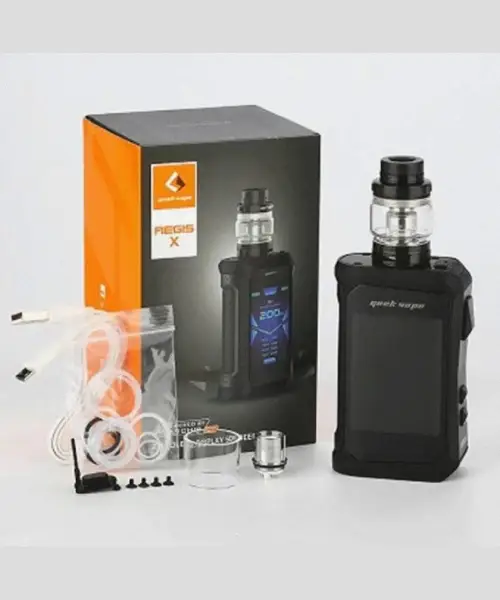
What does “vape shop near me” mean?
Search engines interpret the phrase as a request for geographically relevant information, but the resulting listings are not evidence that a particular product is lawful, authorized, or safe. The phrase can also surface informational pages, business profiles, maps, and sponsored material. The central question in this section is how to interpret local search intent without mistaking a search result for independent evidence. The answer depends on what information has actually been established and what remains a claim made by a business, a manufacturer, or an online commentator.
Consider how someone encounters this topic through a search for “vape shop near me.” The search may begin with a short phrase, yet the underlying questions are often quite different: what a term means, how a local listing is organized, what the law says, or whether a health claim is credible. Treating all of these questions as shopping intent would be misleading. A useful educational page explains the distinction and directs legal or medical questions toward authoritative sources.
There is also an important difference between a device category and a particular product. Packaging, branding, and search snippets rarely provide enough evidence to judge chemical composition, electrical reliability, or regulatory status. This is especially relevant when nicotine-related results appear beside CBD and THC terminology. Similar-looking products can involve different substances and different oversight, so broad assumptions about local search intent are unreliable.
For Sal’s Tobacco & More, the editorial approach is to provide local context and explain terminology while avoiding unverified inventory statements or claims that a vaping product is harmless. Readers should not interpret the discussion of what does “vape shop near me” mean? as a recommendation to obtain or use age-restricted products. The goal is clarity: understand the claim, identify its source, recognize its limits, and consult appropriate public-health or regulatory guidance when the issue calls for it.
Why nearby search results vary
Search results depend on the words entered, approximate location, device settings, business categories, and how recently a listing was updated. Two people in the same community can see different results, and neither set of results is a definitive directory. The central question in this section is how to interpret location signals without mistaking a search result for independent evidence. The answer depends on what information has actually been established and what remains a claim made by a business, a manufacturer, or an online commentator.
Consider how someone encounters this topic through a search for “vape shop near me.” The search may begin with a short phrase, yet the underlying questions are often quite different: what a term means, how a local listing is organized, what the law says, or whether a health claim is credible. Treating all of these questions as shopping intent would be misleading. A useful educational page explains the distinction and directs legal or medical questions toward authoritative sources.
There is also an important difference between a device category and a particular product. Packaging, branding, and search snippets rarely provide enough evidence to judge chemical composition, electrical reliability, or regulatory status. This is especially relevant when nicotine-related results appear beside CBD and THC terminology. Similar-looking products can involve different substances and different oversight, so broad assumptions about location signals are unreliable.
For Sal’s Tobacco & More, the editorial approach is to provide local context and explain terminology while avoiding unverified inventory statements or claims that a vaping product is harmless. Readers should not interpret the discussion of why nearby search results vary as a recommendation to obtain or use age-restricted products. The goal is clarity: understand the claim, identify its source, recognize its limits, and consult appropriate public-health or regulatory guidance when the issue calls for it.
The difference between a vape shop and a smoke shop
Retail categories overlap in everyday language. A smoke shop may describe a broader business identity, while vape shop usually refers to electronic aerosol products. Neither label guarantees what a location currently stocks or which legal requirements apply. The central question in this section is how to interpret business categories without mistaking a search result for independent evidence. The answer depends on what information has actually been established and what remains a claim made by a business, a manufacturer, or an online commentator.
Consider how someone encounters this topic through a search for “vape shop near me.” The search may begin with a short phrase, yet the underlying questions are often quite different: what a term means, how a local listing is organized, what the law says, or whether a health claim is credible. Treating all of these questions as shopping intent would be misleading. A useful educational page explains the distinction and directs legal or medical questions toward authoritative sources.
There is also an important difference between a device category and a particular product. Packaging, branding, and search snippets rarely provide enough evidence to judge chemical composition, electrical reliability, or regulatory status. This is especially relevant when nicotine-related results appear beside CBD and THC terminology. Similar-looking products can involve different substances and different oversight, so broad assumptions about business categories are unreliable.
For Sal’s Tobacco & More, the editorial approach is to provide local context and explain terminology while avoiding unverified inventory statements or claims that a vaping product is harmless. Readers should not interpret the discussion of the difference between a vape shop and a smoke shop as a recommendation to obtain or use age-restricted products. The goal is clarity: understand the claim, identify its source, recognize its limits, and consult appropriate public-health or regulatory guidance when the issue calls for it.
Reading a local business profile critically
A business profile may contain an address, phone number, hours, photographs, and reviews. Those fields can be useful for understanding a company, but they may be incomplete or outdated. A review is an account of someone’s experience, not an independent safety assessment. The central question in this section is how to interpret online listings without mistaking a search result for independent evidence. The answer depends on what information has actually been established and what remains a claim made by a business, a manufacturer, or an online commentator.
Consider how someone encounters this topic through a search for “vape shop near me.” The search may begin with a short phrase, yet the underlying questions are often quite different: what a term means, how a local listing is organized, what the law says, or whether a health claim is credible. Treating all of these questions as shopping intent would be misleading. A useful educational page explains the distinction and directs legal or medical questions toward authoritative sources.
There is also an important difference between a device category and a particular product. Packaging, branding, and search snippets rarely provide enough evidence to judge chemical composition, electrical reliability, or regulatory status. This is especially relevant when nicotine-related results appear beside CBD and THC terminology. Similar-looking products can involve different substances and different oversight, so broad assumptions about online listings are unreliable.
For Sal’s Tobacco & More, the editorial approach is to provide local context and explain terminology while avoiding unverified inventory statements or claims that a vaping product is harmless. Readers should not interpret the discussion of reading a local business profile critically as a recommendation to obtain or use age-restricted products. The goal is clarity: understand the claim, identify its source, recognize its limits, and consult appropriate public-health or regulatory guidance when the issue calls for it.
Why business information and product claims differ
A confirmed street address does not confirm the composition, authorization, or availability of a particular vaping product. The same distinction applies to opening hours, contact details, and website content. Clear local SEO writing should separate these kinds of claims. The central question in this section is how to interpret evidence boundaries without mistaking a search result for independent evidence. The answer depends on what information has actually been established and what remains a claim made by a business, a manufacturer, or an online commentator.
Consider how someone encounters this topic through a search for “vape shop near me.” The search may begin with a short phrase, yet the underlying questions are often quite different: what a term means, how a local listing is organized, what the law says, or whether a health claim is credible. Treating all of these questions as shopping intent would be misleading. A useful educational page explains the distinction and directs legal or medical questions toward authoritative sources.
There is also an important difference between a device category and a particular product. Packaging, branding, and search snippets rarely provide enough evidence to judge chemical composition, electrical reliability, or regulatory status. This is especially relevant when nicotine-related results appear beside CBD and THC terminology. Similar-looking products can involve different substances and different oversight, so broad assumptions about evidence boundaries are unreliable.
For Sal’s Tobacco & More, the editorial approach is to provide local context and explain terminology while avoiding unverified inventory statements or claims that a vaping product is harmless. Readers should not interpret the discussion of why business information and product claims differ as a recommendation to obtain or use age-restricted products. The goal is clarity: understand the claim, identify its source, recognize its limits, and consult appropriate public-health or regulatory guidance when the issue calls for it.
Central California context
Dinuba and Hanford are communities in California’s Central Valley. Statewide tobacco and cannabis rules apply alongside federal requirements, while local policies can add further restrictions. A city name in a search result does not settle any legal question. The central question in this section is how to interpret regional information without mistaking a search result for independent evidence. The answer depends on what information has actually been established and what remains a claim made by a business, a manufacturer, or an online commentator.
Consider how someone encounters this topic through a search for “vape shop near me.” The search may begin with a short phrase, yet the underlying questions are often quite different: what a term means, how a local listing is organized, what the law says, or whether a health claim is credible. Treating all of these questions as shopping intent would be misleading. A useful educational page explains the distinction and directs legal or medical questions toward authoritative sources.
There is also an important difference between a device category and a particular product. Packaging, branding, and search snippets rarely provide enough evidence to judge chemical composition, electrical reliability, or regulatory status. This is especially relevant when nicotine-related results appear beside CBD and THC terminology. Similar-looking products can involve different substances and different oversight, so broad assumptions about regional information are unreliable.
For Sal’s Tobacco & More, the editorial approach is to provide local context and explain terminology while avoiding unverified inventory statements or claims that a vaping product is harmless. Readers should not interpret the discussion of central california context as a recommendation to obtain or use age-restricted products. The goal is clarity: understand the claim, identify its source, recognize its limits, and consult appropriate public-health or regulatory guidance when the issue calls for it.
About Sal’s Tobacco & More
The business information supplied for this guide describes Sal’s Tobacco & More as a Central California retailer established in 2009. This section provides organizational context rather than an endorsement of nicotine or cannabis products. The central question in this section is how to interpret business background without mistaking a search result for independent evidence. The answer depends on what information has actually been established and what remains a claim made by a business, a manufacturer, or an online commentator.
Consider how someone encounters this topic through a search for “vape shop near me.” The search may begin with a short phrase, yet the underlying questions are often quite different: what a term means, how a local listing is organized, what the law says, or whether a health claim is credible. Treating all of these questions as shopping intent would be misleading. A useful educational page explains the distinction and directs legal or medical questions toward authoritative sources.
There is also an important difference between a device category and a particular product. Packaging, branding, and search snippets rarely provide enough evidence to judge chemical composition, electrical reliability, or regulatory status. This is especially relevant when nicotine-related results appear beside CBD and THC terminology. Similar-looking products can involve different substances and different oversight, so broad assumptions about business background are unreliable.
For Sal’s Tobacco & More, the editorial approach is to provide local context and explain terminology while avoiding unverified inventory statements or claims that a vaping product is harmless. Readers should not interpret the discussion of about sal’s tobacco & more as a recommendation to obtain or use age-restricted products. The goal is clarity: understand the claim, identify its source, recognize its limits, and consult appropriate public-health or regulatory guidance when the issue calls for it.
Understanding posted hours
Hours can change for holidays, emergencies, staffing, or other operational reasons. A website, directory, and map listing may not be synchronized. Responsible business content avoids claiming that a location is open at this moment without a current check. The central question in this section is how to interpret hours and accuracy without mistaking a search result for independent evidence. The answer depends on what information has actually been established and what remains a claim made by a business, a manufacturer, or an online commentator.
Consider how someone encounters this topic through a search for “vape shop near me.” The search may begin with a short phrase, yet the underlying questions are often quite different: what a term means, how a local listing is organized, what the law says, or whether a health claim is credible. Treating all of these questions as shopping intent would be misleading. A useful educational page explains the distinction and directs legal or medical questions toward authoritative sources.
There is also an important difference between a device category and a particular product. Packaging, branding, and search snippets rarely provide enough evidence to judge chemical composition, electrical reliability, or regulatory status. This is especially relevant when nicotine-related results appear beside CBD and THC terminology. Similar-looking products can involve different substances and different oversight, so broad assumptions about hours and accuracy are unreliable.
For Sal’s Tobacco & More, the editorial approach is to provide local context and explain terminology while avoiding unverified inventory statements or claims that a vaping product is harmless. Readers should not interpret the discussion of understanding posted hours as a recommendation to obtain or use age-restricted products. The goal is clarity: understand the claim, identify its source, recognize its limits, and consult appropriate public-health or regulatory guidance when the issue calls for it.
Age restrictions and verification
Tobacco and cannabis are age-restricted categories. Age-verification rules are intended to prevent unlawful access, and businesses have responsibilities under applicable law. A search engine’s ability to display a listing does not waive these requirements. The central question in this section is how to interpret legal safeguards without mistaking a search result for independent evidence. The answer depends on what information has actually been established and what remains a claim made by a business, a manufacturer, or an online commentator.
Consider how someone encounters this topic through a search for “vape shop near me.” The search may begin with a short phrase, yet the underlying questions are often quite different: what a term means, how a local listing is organized, what the law says, or whether a health claim is credible. Treating all of these questions as shopping intent would be misleading. A useful educational page explains the distinction and directs legal or medical questions toward authoritative sources.
There is also an important difference between a device category and a particular product. Packaging, branding, and search snippets rarely provide enough evidence to judge chemical composition, electrical reliability, or regulatory status. This is especially relevant when nicotine-related results appear beside CBD and THC terminology. Similar-looking products can involve different substances and different oversight, so broad assumptions about legal safeguards are unreliable.
For Sal’s Tobacco & More, the editorial approach is to provide local context and explain terminology while avoiding unverified inventory statements or claims that a vaping product is harmless. Readers should not interpret the discussion of age restrictions and verification as a recommendation to obtain or use age-restricted products. The goal is clarity: understand the claim, identify its source, recognize its limits, and consult appropriate public-health or regulatory guidance when the issue calls for it.
Federal tobacco-product oversight
In the United States, FDA regulation covers many electronic nicotine delivery systems. Registration and marketing authorization are not interchangeable concepts. A product’s presence online or in advertising does not, by itself, demonstrate authorization. The central question in this section is how to interpret FDA regulation without mistaking a search result for independent evidence. The answer depends on what information has actually been established and what remains a claim made by a business, a manufacturer, or an online commentator.
Consider how someone encounters this topic through a search for “vape shop near me.” The search may begin with a short phrase, yet the underlying questions are often quite different: what a term means, how a local listing is organized, what the law says, or whether a health claim is credible. Treating all of these questions as shopping intent would be misleading. A useful educational page explains the distinction and directs legal or medical questions toward authoritative sources.
There is also an important difference between a device category and a particular product. Packaging, branding, and search snippets rarely provide enough evidence to judge chemical composition, electrical reliability, or regulatory status. This is especially relevant when nicotine-related results appear beside CBD and THC terminology. Similar-looking products can involve different substances and different oversight, so broad assumptions about FDA regulation are unreliable.
For Sal’s Tobacco & More, the editorial approach is to provide local context and explain terminology while avoiding unverified inventory statements or claims that a vaping product is harmless. Readers should not interpret the discussion of federal tobacco-product oversight as a recommendation to obtain or use age-restricted products. The goal is clarity: understand the claim, identify its source, recognize its limits, and consult appropriate public-health or regulatory guidance when the issue calls for it.
California tobacco rules
California imposes its own requirements on tobacco products and retail activity. State restrictions may address age, flavored tobacco products, and other matters. Because laws and enforcement guidance can change, readers should consult current official materials. The central question in this section is how to interpret state regulation without mistaking a search result for independent evidence. The answer depends on what information has actually been established and what remains a claim made by a business, a manufacturer, or an online commentator.
Consider how someone encounters this topic through a search for “vape shop near me.” The search may begin with a short phrase, yet the underlying questions are often quite different: what a term means, how a local listing is organized, what the law says, or whether a health claim is credible. Treating all of these questions as shopping intent would be misleading. A useful educational page explains the distinction and directs legal or medical questions toward authoritative sources.
There is also an important difference between a device category and a particular product. Packaging, branding, and search snippets rarely provide enough evidence to judge chemical composition, electrical reliability, or regulatory status. This is especially relevant when nicotine-related results appear beside CBD and THC terminology. Similar-looking products can involve different substances and different oversight, so broad assumptions about state regulation are unreliable.
For Sal’s Tobacco & More, the editorial approach is to provide local context and explain terminology while avoiding unverified inventory statements or claims that a vaping product is harmless. Readers should not interpret the discussion of california tobacco rules as a recommendation to obtain or use age-restricted products. The goal is clarity: understand the claim, identify its source, recognize its limits, and consult appropriate public-health or regulatory guidance when the issue calls for it.
Cannabis regulation is a separate issue
THC-containing products raise different regulatory and health questions from ordinary nicotine e-cigarettes. California has a regulated commercial cannabis system, but product type, source, and jurisdiction matter. Generic search terms cannot establish legality. The central question in this section is how to interpret THC vape oil without mistaking a search result for independent evidence. The answer depends on what information has actually been established and what remains a claim made by a business, a manufacturer, or an online commentator.
Consider how someone encounters this topic through a search for “vape shop near me.” The search may begin with a short phrase, yet the underlying questions are often quite different: what a term means, how a local listing is organized, what the law says, or whether a health claim is credible. Treating all of these questions as shopping intent would be misleading. A useful educational page explains the distinction and directs legal or medical questions toward authoritative sources.
There is also an important difference between a device category and a particular product. Packaging, branding, and search snippets rarely provide enough evidence to judge chemical composition, electrical reliability, or regulatory status. This is especially relevant when nicotine-related results appear beside CBD and THC terminology. Similar-looking products can involve different substances and different oversight, so broad assumptions about THC vape oil are unreliable.
For Sal’s Tobacco & More, the editorial approach is to provide local context and explain terminology while avoiding unverified inventory statements or claims that a vaping product is harmless. Readers should not interpret the discussion of cannabis regulation is a separate issue as a recommendation to obtain or use age-restricted products. The goal is clarity: understand the claim, identify its source, recognize its limits, and consult appropriate public-health or regulatory guidance when the issue calls for it.
What is a disposable vape?
A disposable vape is generally an electronic aerosol device designed for a limited product lifecycle. Some include rechargeable batteries even though the device remains disposable. Its outer appearance does not reveal the precise liquid formulation or manufacturing quality. The central question in this section is how to interpret device terminology without mistaking a search result for independent evidence. The answer depends on what information has actually been established and what remains a claim made by a business, a manufacturer, or an online commentator.
Consider how someone encounters this topic through a search for “vape shop near me.” The search may begin with a short phrase, yet the underlying questions are often quite different: what a term means, how a local listing is organized, what the law says, or whether a health claim is credible. Treating all of these questions as shopping intent would be misleading. A useful educational page explains the distinction and directs legal or medical questions toward authoritative sources.
There is also an important difference between a device category and a particular product. Packaging, branding, and search snippets rarely provide enough evidence to judge chemical composition, electrical reliability, or regulatory status. This is especially relevant when nicotine-related results appear beside CBD and THC terminology. Similar-looking products can involve different substances and different oversight, so broad assumptions about device terminology are unreliable.
For Sal’s Tobacco & More, the editorial approach is to provide local context and explain terminology while avoiding unverified inventory statements or claims that a vaping product is harmless. Readers should not interpret the discussion of what is a disposable vape? as a recommendation to obtain or use age-restricted products. The goal is clarity: understand the claim, identify its source, recognize its limits, and consult appropriate public-health or regulatory guidance when the issue calls for it.
What is a vape pen?
The phrase vape pen refers to a general shape and device category. Searches can include nicotine devices, cannabinoid products, and unrelated accessories. A pen-like appearance is not a meaningful indicator of safety or legal classification. The central question in this section is how to interpret vape pen searches without mistaking a search result for independent evidence. The answer depends on what information has actually been established and what remains a claim made by a business, a manufacturer, or an online commentator.
Consider how someone encounters this topic through a search for “vape shop near me.” The search may begin with a short phrase, yet the underlying questions are often quite different: what a term means, how a local listing is organized, what the law says, or whether a health claim is credible. Treating all of these questions as shopping intent would be misleading. A useful educational page explains the distinction and directs legal or medical questions toward authoritative sources.
There is also an important difference between a device category and a particular product. Packaging, branding, and search snippets rarely provide enough evidence to judge chemical composition, electrical reliability, or regulatory status. This is especially relevant when nicotine-related results appear beside CBD and THC terminology. Similar-looking products can involve different substances and different oversight, so broad assumptions about vape pen searches are unreliable.
For Sal’s Tobacco & More, the editorial approach is to provide local context and explain terminology while avoiding unverified inventory statements or claims that a vaping product is harmless. Readers should not interpret the discussion of what is a vape pen? as a recommendation to obtain or use age-restricted products. The goal is clarity: understand the claim, identify its source, recognize its limits, and consult appropriate public-health or regulatory guidance when the issue calls for it.
What are vape pods?
Vape pods are reservoirs associated with pod systems. Some are sealed, while others are described as refillable. Product categories can overlap in advertisements, making it important to distinguish device design from the substances inside. The central question in this section is how to interpret pod system terminology without mistaking a search result for independent evidence. The answer depends on what information has actually been established and what remains a claim made by a business, a manufacturer, or an online commentator.
Consider how someone encounters this topic through a search for “vape shop near me.” The search may begin with a short phrase, yet the underlying questions are often quite different: what a term means, how a local listing is organized, what the law says, or whether a health claim is credible. Treating all of these questions as shopping intent would be misleading. A useful educational page explains the distinction and directs legal or medical questions toward authoritative sources.
There is also an important difference between a device category and a particular product. Packaging, branding, and search snippets rarely provide enough evidence to judge chemical composition, electrical reliability, or regulatory status. This is especially relevant when nicotine-related results appear beside CBD and THC terminology. Similar-looking products can involve different substances and different oversight, so broad assumptions about pod system terminology are unreliable.
For Sal’s Tobacco & More, the editorial approach is to provide local context and explain terminology while avoiding unverified inventory statements or claims that a vaping product is harmless. Readers should not interpret the discussion of what are vape pods? as a recommendation to obtain or use age-restricted products. The goal is clarity: understand the claim, identify its source, recognize its limits, and consult appropriate public-health or regulatory guidance when the issue calls for it.
What are vape carts?
Vape carts is shorthand for cartridges, often described separately from the power source. Search results may concern nicotine, CBD, or THC formulations. Similar terminology does not imply that products share the same risks or legal status. The central question in this section is how to interpret cartridge terminology without mistaking a search result for independent evidence. The answer depends on what information has actually been established and what remains a claim made by a business, a manufacturer, or an online commentator.
Consider how someone encounters this topic through a search for “vape shop near me.” The search may begin with a short phrase, yet the underlying questions are often quite different: what a term means, how a local listing is organized, what the law says, or whether a health claim is credible. Treating all of these questions as shopping intent would be misleading. A useful educational page explains the distinction and directs legal or medical questions toward authoritative sources.
There is also an important difference between a device category and a particular product. Packaging, branding, and search snippets rarely provide enough evidence to judge chemical composition, electrical reliability, or regulatory status. This is especially relevant when nicotine-related results appear beside CBD and THC terminology. Similar-looking products can involve different substances and different oversight, so broad assumptions about cartridge terminology are unreliable.
For Sal’s Tobacco & More, the editorial approach is to provide local context and explain terminology while avoiding unverified inventory statements or claims that a vaping product is harmless. Readers should not interpret the discussion of what are vape carts? as a recommendation to obtain or use age-restricted products. The goal is clarity: understand the claim, identify its source, recognize its limits, and consult appropriate public-health or regulatory guidance when the issue calls for it.
Vape juice and e-liquid explained
Vape juice and e-liquid are common terms for formulations used in electronic aerosol devices. Descriptions may mention propylene glycol, vegetable glycerin, nicotine, and flavoring chemicals. Labels alone do not establish inhalation safety. The central question in this section is how to interpret liquid ingredients without mistaking a search result for independent evidence. The answer depends on what information has actually been established and what remains a claim made by a business, a manufacturer, or an online commentator.
Consider how someone encounters this topic through a search for “vape shop near me.” The search may begin with a short phrase, yet the underlying questions are often quite different: what a term means, how a local listing is organized, what the law says, or whether a health claim is credible. Treating all of these questions as shopping intent would be misleading. A useful educational page explains the distinction and directs legal or medical questions toward authoritative sources.
There is also an important difference between a device category and a particular product. Packaging, branding, and search snippets rarely provide enough evidence to judge chemical composition, electrical reliability, or regulatory status. This is especially relevant when nicotine-related results appear beside CBD and THC terminology. Similar-looking products can involve different substances and different oversight, so broad assumptions about liquid ingredients are unreliable.
For Sal’s Tobacco & More, the editorial approach is to provide local context and explain terminology while avoiding unverified inventory statements or claims that a vaping product is harmless. Readers should not interpret the discussion of vape juice and e-liquid explained as a recommendation to obtain or use age-restricted products. The goal is clarity: understand the claim, identify its source, recognize its limits, and consult appropriate public-health or regulatory guidance when the issue calls for it.
CBD vape oil in search results
CBD-related search phrases often appear beside nicotine terms even though cannabidiol is a different substance. CBD can have adverse effects and drug interactions, and marketing claims may overstate medical benefits. Inhaled formulations warrant particular caution. The central question in this section is how to interpret CBD information without mistaking a search result for independent evidence. The answer depends on what information has actually been established and what remains a claim made by a business, a manufacturer, or an online commentator.
Consider how someone encounters this topic through a search for “vape shop near me.” The search may begin with a short phrase, yet the underlying questions are often quite different: what a term means, how a local listing is organized, what the law says, or whether a health claim is credible. Treating all of these questions as shopping intent would be misleading. A useful educational page explains the distinction and directs legal or medical questions toward authoritative sources.
There is also an important difference between a device category and a particular product. Packaging, branding, and search snippets rarely provide enough evidence to judge chemical composition, electrical reliability, or regulatory status. This is especially relevant when nicotine-related results appear beside CBD and THC terminology. Similar-looking products can involve different substances and different oversight, so broad assumptions about CBD information are unreliable.
For Sal’s Tobacco & More, the editorial approach is to provide local context and explain terminology while avoiding unverified inventory statements or claims that a vaping product is harmless. Readers should not interpret the discussion of cbd vape oil in search results as a recommendation to obtain or use age-restricted products. The goal is clarity: understand the claim, identify its source, recognize its limits, and consult appropriate public-health or regulatory guidance when the issue calls for it.
THC vape oil in search results
THC is intoxicating and can impair memory, attention, coordination, and judgment. Unregulated THC vaping products have been associated with serious health concerns. A local search result does not provide chemical verification or a legal assessment. The central question in this section is how to interpret cannabinoid information without mistaking a search result for independent evidence. The answer depends on what information has actually been established and what remains a claim made by a business, a manufacturer, or an online commentator.
Consider how someone encounters this topic through a search for “vape shop near me.” The search may begin with a short phrase, yet the underlying questions are often quite different: what a term means, how a local listing is organized, what the law says, or whether a health claim is credible. Treating all of these questions as shopping intent would be misleading. A useful educational page explains the distinction and directs legal or medical questions toward authoritative sources.
There is also an important difference between a device category and a particular product. Packaging, branding, and search snippets rarely provide enough evidence to judge chemical composition, electrical reliability, or regulatory status. This is especially relevant when nicotine-related results appear beside CBD and THC terminology. Similar-looking products can involve different substances and different oversight, so broad assumptions about cannabinoid information are unreliable.
For Sal’s Tobacco & More, the editorial approach is to provide local context and explain terminology while avoiding unverified inventory statements or claims that a vaping product is harmless. Readers should not interpret the discussion of thc vape oil in search results as a recommendation to obtain or use age-restricted products. The goal is clarity: understand the claim, identify its source, recognize its limits, and consult appropriate public-health or regulatory guidance when the issue calls for it.
Flavor terminology and health
Flavor labels such as fruit, mint, candy, or dessert describe marketing themes, not verified safety properties. Ingredients considered acceptable for eating are not automatically safe to inhale after heating. Flavor appeal should not obscure health concerns. The central question in this section is how to interpret flavor marketing without mistaking a search result for independent evidence. The answer depends on what information has actually been established and what remains a claim made by a business, a manufacturer, or an online commentator.
Consider how someone encounters this topic through a search for “vape shop near me.” The search may begin with a short phrase, yet the underlying questions are often quite different: what a term means, how a local listing is organized, what the law says, or whether a health claim is credible. Treating all of these questions as shopping intent would be misleading. A useful educational page explains the distinction and directs legal or medical questions toward authoritative sources.
There is also an important difference between a device category and a particular product. Packaging, branding, and search snippets rarely provide enough evidence to judge chemical composition, electrical reliability, or regulatory status. This is especially relevant when nicotine-related results appear beside CBD and THC terminology. Similar-looking products can involve different substances and different oversight, so broad assumptions about flavor marketing are unreliable.
For Sal’s Tobacco & More, the editorial approach is to provide local context and explain terminology while avoiding unverified inventory statements or claims that a vaping product is harmless. Readers should not interpret the discussion of flavor terminology and health as a recommendation to obtain or use age-restricted products. The goal is clarity: understand the claim, identify its source, recognize its limits, and consult appropriate public-health or regulatory guidance when the issue calls for it.
Puff counts and advertised duration
A number printed on a disposable device is not a standardized promise of real-world duration. Testing methods and product characteristics vary. Puff count also does not measure aerosol chemistry, nicotine dependence, or battery reliability. The central question in this section is how to interpret puff-count claims without mistaking a search result for independent evidence. The answer depends on what information has actually been established and what remains a claim made by a business, a manufacturer, or an online commentator.
Consider how someone encounters this topic through a search for “vape shop near me.” The search may begin with a short phrase, yet the underlying questions are often quite different: what a term means, how a local listing is organized, what the law says, or whether a health claim is credible. Treating all of these questions as shopping intent would be misleading. A useful educational page explains the distinction and directs legal or medical questions toward authoritative sources.
There is also an important difference between a device category and a particular product. Packaging, branding, and search snippets rarely provide enough evidence to judge chemical composition, electrical reliability, or regulatory status. This is especially relevant when nicotine-related results appear beside CBD and THC terminology. Similar-looking products can involve different substances and different oversight, so broad assumptions about puff-count claims are unreliable.
For Sal’s Tobacco & More, the editorial approach is to provide local context and explain terminology while avoiding unverified inventory statements or claims that a vaping product is harmless. Readers should not interpret the discussion of puff counts and advertised duration as a recommendation to obtain or use age-restricted products. The goal is clarity: understand the claim, identify its source, recognize its limits, and consult appropriate public-health or regulatory guidance when the issue calls for it.
Battery safety and device damage
Electronic aerosol devices can contain lithium-ion batteries. Damaged or defective cells can overheat and sometimes cause fires. Swelling, smoke, unusual heat, or a chemical odor are warning signs requiring caution rather than experimentation. The central question in this section is how to interpret electrical hazards without mistaking a search result for independent evidence. The answer depends on what information has actually been established and what remains a claim made by a business, a manufacturer, or an online commentator.
Consider how someone encounters this topic through a search for “vape shop near me.” The search may begin with a short phrase, yet the underlying questions are often quite different: what a term means, how a local listing is organized, what the law says, or whether a health claim is credible. Treating all of these questions as shopping intent would be misleading. A useful educational page explains the distinction and directs legal or medical questions toward authoritative sources.
There is also an important difference between a device category and a particular product. Packaging, branding, and search snippets rarely provide enough evidence to judge chemical composition, electrical reliability, or regulatory status. This is especially relevant when nicotine-related results appear beside CBD and THC terminology. Similar-looking products can involve different substances and different oversight, so broad assumptions about electrical hazards are unreliable.
For Sal’s Tobacco & More, the editorial approach is to provide local context and explain terminology while avoiding unverified inventory statements or claims that a vaping product is harmless. Readers should not interpret the discussion of battery safety and device damage as a recommendation to obtain or use age-restricted products. The goal is clarity: understand the claim, identify its source, recognize its limits, and consult appropriate public-health or regulatory guidance when the issue calls for it.
Nicotine dependence and adolescent health
Nicotine is addictive and poses particular risks to developing adolescent brains. Product packaging and online marketing can make exposure appear routine, but a fashionable device does not change nicotine’s effects. People who do not use nicotine should not start. The central question in this section is how to interpret public health without mistaking a search result for independent evidence. The answer depends on what information has actually been established and what remains a claim made by a business, a manufacturer, or an online commentator.
Consider how someone encounters this topic through a search for “vape shop near me.” The search may begin with a short phrase, yet the underlying questions are often quite different: what a term means, how a local listing is organized, what the law says, or whether a health claim is credible. Treating all of these questions as shopping intent would be misleading. A useful educational page explains the distinction and directs legal or medical questions toward authoritative sources.
There is also an important difference between a device category and a particular product. Packaging, branding, and search snippets rarely provide enough evidence to judge chemical composition, electrical reliability, or regulatory status. This is especially relevant when nicotine-related results appear beside CBD and THC terminology. Similar-looking products can involve different substances and different oversight, so broad assumptions about public health are unreliable.
For Sal’s Tobacco & More, the editorial approach is to provide local context and explain terminology while avoiding unverified inventory statements or claims that a vaping product is harmless. Readers should not interpret the discussion of nicotine dependence and adolescent health as a recommendation to obtain or use age-restricted products. The goal is clarity: understand the claim, identify its source, recognize its limits, and consult appropriate public-health or regulatory guidance when the issue calls for it.
Secondhand aerosol exposure
Electronic cigarettes produce an aerosol rather than harmless water vapor. Depending on the product, it may contain nicotine, fine particles, metals, and other substances. Bystanders can be exposed without choosing to use the device. The central question in this section is how to interpret bystander health without mistaking a search result for independent evidence. The answer depends on what information has actually been established and what remains a claim made by a business, a manufacturer, or an online commentator.
Consider how someone encounters this topic through a search for “vape shop near me.” The search may begin with a short phrase, yet the underlying questions are often quite different: what a term means, how a local listing is organized, what the law says, or whether a health claim is credible. Treating all of these questions as shopping intent would be misleading. A useful educational page explains the distinction and directs legal or medical questions toward authoritative sources.
There is also an important difference between a device category and a particular product. Packaging, branding, and search snippets rarely provide enough evidence to judge chemical composition, electrical reliability, or regulatory status. This is especially relevant when nicotine-related results appear beside CBD and THC terminology. Similar-looking products can involve different substances and different oversight, so broad assumptions about bystander health are unreliable.
For Sal’s Tobacco & More, the editorial approach is to provide local context and explain terminology while avoiding unverified inventory statements or claims that a vaping product is harmless. Readers should not interpret the discussion of secondhand aerosol exposure as a recommendation to obtain or use age-restricted products. The goal is clarity: understand the claim, identify its source, recognize its limits, and consult appropriate public-health or regulatory guidance when the issue calls for it.
Why counterfeit claims matter
Imitation packaging can copy logos, model names, and visual designs. Neither a familiar brand name nor a QR code is conclusive proof of authenticity. A responsible article should avoid claiming that visual inspection alone can establish chemical safety. The central question in this section is how to interpret product authenticity without mistaking a search result for independent evidence. The answer depends on what information has actually been established and what remains a claim made by a business, a manufacturer, or an online commentator.
Consider how someone encounters this topic through a search for “vape shop near me.” The search may begin with a short phrase, yet the underlying questions are often quite different: what a term means, how a local listing is organized, what the law says, or whether a health claim is credible. Treating all of these questions as shopping intent would be misleading. A useful educational page explains the distinction and directs legal or medical questions toward authoritative sources.
There is also an important difference between a device category and a particular product. Packaging, branding, and search snippets rarely provide enough evidence to judge chemical composition, electrical reliability, or regulatory status. This is especially relevant when nicotine-related results appear beside CBD and THC terminology. Similar-looking products can involve different substances and different oversight, so broad assumptions about product authenticity are unreliable.
For Sal’s Tobacco & More, the editorial approach is to provide local context and explain terminology while avoiding unverified inventory statements or claims that a vaping product is harmless. Readers should not interpret the discussion of why counterfeit claims matter as a recommendation to obtain or use age-restricted products. The goal is clarity: understand the claim, identify its source, recognize its limits, and consult appropriate public-health or regulatory guidance when the issue calls for it.
Understanding lab reports
A certificate of analysis describes results for a particular sample and selected tests. It does not prove that every unit under a brand is identical or risk-free. Readers should distinguish transparent testing methods from vague phrases such as lab tested. The central question in this section is how to interpret testing claims without mistaking a search result for independent evidence. The answer depends on what information has actually been established and what remains a claim made by a business, a manufacturer, or an online commentator.
Consider how someone encounters this topic through a search for “vape shop near me.” The search may begin with a short phrase, yet the underlying questions are often quite different: what a term means, how a local listing is organized, what the law says, or whether a health claim is credible. Treating all of these questions as shopping intent would be misleading. A useful educational page explains the distinction and directs legal or medical questions toward authoritative sources.
There is also an important difference between a device category and a particular product. Packaging, branding, and search snippets rarely provide enough evidence to judge chemical composition, electrical reliability, or regulatory status. This is especially relevant when nicotine-related results appear beside CBD and THC terminology. Similar-looking products can involve different substances and different oversight, so broad assumptions about testing claims are unreliable.
For Sal’s Tobacco & More, the editorial approach is to provide local context and explain terminology while avoiding unverified inventory statements or claims that a vaping product is harmless. Readers should not interpret the discussion of understanding lab reports as a recommendation to obtain or use age-restricted products. The goal is clarity: understand the claim, identify its source, recognize its limits, and consult appropriate public-health or regulatory guidance when the issue calls for it.
Online reviews and affiliate rankings
Some rankings are funded through sponsorships or affiliate arrangements. Financial relationships should be disclosed, and rankings should identify their methodology. Personal opinions about flavor or design do not establish long-term health outcomes. The central question in this section is how to interpret marketing literacy without mistaking a search result for independent evidence. The answer depends on what information has actually been established and what remains a claim made by a business, a manufacturer, or an online commentator.
Consider how someone encounters this topic through a search for “vape shop near me.” The search may begin with a short phrase, yet the underlying questions are often quite different: what a term means, how a local listing is organized, what the law says, or whether a health claim is credible. Treating all of these questions as shopping intent would be misleading. A useful educational page explains the distinction and directs legal or medical questions toward authoritative sources.
There is also an important difference between a device category and a particular product. Packaging, branding, and search snippets rarely provide enough evidence to judge chemical composition, electrical reliability, or regulatory status. This is especially relevant when nicotine-related results appear beside CBD and THC terminology. Similar-looking products can involve different substances and different oversight, so broad assumptions about marketing literacy are unreliable.
For Sal’s Tobacco & More, the editorial approach is to provide local context and explain terminology while avoiding unverified inventory statements or claims that a vaping product is harmless. Readers should not interpret the discussion of online reviews and affiliate rankings as a recommendation to obtain or use age-restricted products. The goal is clarity: understand the claim, identify its source, recognize its limits, and consult appropriate public-health or regulatory guidance when the issue calls for it.
Product availability is not authorization
A product being advertised or displayed is not proof that it may legally be marketed. Authorization can be product-specific and rules can change. Local business pages should avoid treating commercial visibility as regulatory approval. The central question in this section is how to interpret legal distinctions without mistaking a search result for independent evidence. The answer depends on what information has actually been established and what remains a claim made by a business, a manufacturer, or an online commentator.
Consider how someone encounters this topic through a search for “vape shop near me.” The search may begin with a short phrase, yet the underlying questions are often quite different: what a term means, how a local listing is organized, what the law says, or whether a health claim is credible. Treating all of these questions as shopping intent would be misleading. A useful educational page explains the distinction and directs legal or medical questions toward authoritative sources.
There is also an important difference between a device category and a particular product. Packaging, branding, and search snippets rarely provide enough evidence to judge chemical composition, electrical reliability, or regulatory status. This is especially relevant when nicotine-related results appear beside CBD and THC terminology. Similar-looking products can involve different substances and different oversight, so broad assumptions about legal distinctions are unreliable.
For Sal’s Tobacco & More, the editorial approach is to provide local context and explain terminology while avoiding unverified inventory statements or claims that a vaping product is harmless. Readers should not interpret the discussion of product availability is not authorization as a recommendation to obtain or use age-restricted products. The goal is clarity: understand the claim, identify its source, recognize its limits, and consult appropriate public-health or regulatory guidance when the issue calls for it.
Environmental costs of disposable devices
Disposable electronic aerosol devices combine batteries, plastics, metals, electronics, and residual liquid. This makes waste management more complicated than discarding ordinary packaging. Lithium batteries can also create fire risks in waste facilities. The central question in this section is how to interpret electronic waste without mistaking a search result for independent evidence. The answer depends on what information has actually been established and what remains a claim made by a business, a manufacturer, or an online commentator.
Consider how someone encounters this topic through a search for “vape shop near me.” The search may begin with a short phrase, yet the underlying questions are often quite different: what a term means, how a local listing is organized, what the law says, or whether a health claim is credible. Treating all of these questions as shopping intent would be misleading. A useful educational page explains the distinction and directs legal or medical questions toward authoritative sources.
There is also an important difference between a device category and a particular product. Packaging, branding, and search snippets rarely provide enough evidence to judge chemical composition, electrical reliability, or regulatory status. This is especially relevant when nicotine-related results appear beside CBD and THC terminology. Similar-looking products can involve different substances and different oversight, so broad assumptions about electronic waste are unreliable.
For Sal’s Tobacco & More, the editorial approach is to provide local context and explain terminology while avoiding unverified inventory statements or claims that a vaping product is harmless. Readers should not interpret the discussion of environmental costs of disposable devices as a recommendation to obtain or use age-restricted products. The goal is clarity: understand the claim, identify its source, recognize its limits, and consult appropriate public-health or regulatory guidance when the issue calls for it.
Battery and hazardous-waste disposal
Local hazardous-waste and battery-recycling authorities are better sources of disposal guidance than improvised online suggestions. Devices containing batteries or residual chemicals should not be dismantled as a casual recycling project. The central question in this section is how to interpret community safety without mistaking a search result for independent evidence. The answer depends on what information has actually been established and what remains a claim made by a business, a manufacturer, or an online commentator.
Consider how someone encounters this topic through a search for “vape shop near me.” The search may begin with a short phrase, yet the underlying questions are often quite different: what a term means, how a local listing is organized, what the law says, or whether a health claim is credible. Treating all of these questions as shopping intent would be misleading. A useful educational page explains the distinction and directs legal or medical questions toward authoritative sources.
There is also an important difference between a device category and a particular product. Packaging, branding, and search snippets rarely provide enough evidence to judge chemical composition, electrical reliability, or regulatory status. This is especially relevant when nicotine-related results appear beside CBD and THC terminology. Similar-looking products can involve different substances and different oversight, so broad assumptions about community safety are unreliable.
For Sal’s Tobacco & More, the editorial approach is to provide local context and explain terminology while avoiding unverified inventory statements or claims that a vaping product is harmless. Readers should not interpret the discussion of battery and hazardous-waste disposal as a recommendation to obtain or use age-restricted products. The goal is clarity: understand the claim, identify its source, recognize its limits, and consult appropriate public-health or regulatory guidance when the issue calls for it.
The role of clear store policies
A business website can help visitors understand its identity, contact routes, privacy practices, and age-verification approach. These pages are useful for transparency but do not independently verify every claim made about individual products. The central question in this section is how to interpret business transparency without mistaking a search result for independent evidence. The answer depends on what information has actually been established and what remains a claim made by a business, a manufacturer, or an online commentator.
Consider how someone encounters this topic through a search for “vape shop near me.” The search may begin with a short phrase, yet the underlying questions are often quite different: what a term means, how a local listing is organized, what the law says, or whether a health claim is credible. Treating all of these questions as shopping intent would be misleading. A useful educational page explains the distinction and directs legal or medical questions toward authoritative sources.
There is also an important difference between a device category and a particular product. Packaging, branding, and search snippets rarely provide enough evidence to judge chemical composition, electrical reliability, or regulatory status. This is especially relevant when nicotine-related results appear beside CBD and THC terminology. Similar-looking products can involve different substances and different oversight, so broad assumptions about business transparency are unreliable.
For Sal’s Tobacco & More, the editorial approach is to provide local context and explain terminology while avoiding unverified inventory statements or claims that a vaping product is harmless. Readers should not interpret the discussion of the role of clear store policies as a recommendation to obtain or use age-restricted products. The goal is clarity: understand the claim, identify its source, recognize its limits, and consult appropriate public-health or regulatory guidance when the issue calls for it.
Why local SEO needs careful language
Useful local content answers genuine questions without inventing product inventory, discounts, legal guarantees, or safety endorsements. Repeating the phrase vape shop near me dozens of times does not add value and can make a page harder to read. The central question in this section is how to interpret search quality without mistaking a search result for independent evidence. The answer depends on what information has actually been established and what remains a claim made by a business, a manufacturer, or an online commentator.
Consider how someone encounters this topic through a search for “vape shop near me.” The search may begin with a short phrase, yet the underlying questions are often quite different: what a term means, how a local listing is organized, what the law says, or whether a health claim is credible. Treating all of these questions as shopping intent would be misleading. A useful educational page explains the distinction and directs legal or medical questions toward authoritative sources.
There is also an important difference between a device category and a particular product. Packaging, branding, and search snippets rarely provide enough evidence to judge chemical composition, electrical reliability, or regulatory status. This is especially relevant when nicotine-related results appear beside CBD and THC terminology. Similar-looking products can involve different substances and different oversight, so broad assumptions about search quality are unreliable.
For Sal’s Tobacco & More, the editorial approach is to provide local context and explain terminology while avoiding unverified inventory statements or claims that a vaping product is harmless. Readers should not interpret the discussion of why local seo needs careful language as a recommendation to obtain or use age-restricted products. The goal is clarity: understand the claim, identify its source, recognize its limits, and consult appropriate public-health or regulatory guidance when the issue calls for it.
Comparing informational search terms
Searches for vape pods, vape pen, vape carts, vape juice, disposable vapes, CBD vape oil, and THC vape oil reflect different questions. A single page can define the categories, but it should not imply that the same regulations or health considerations apply to all of them. The central question in this section is how to interpret keyword intent without mistaking a search result for independent evidence. The answer depends on what information has actually been established and what remains a claim made by a business, a manufacturer, or an online commentator.
Consider how someone encounters this topic through a search for “vape shop near me.” The search may begin with a short phrase, yet the underlying questions are often quite different: what a term means, how a local listing is organized, what the law says, or whether a health claim is credible. Treating all of these questions as shopping intent would be misleading. A useful educational page explains the distinction and directs legal or medical questions toward authoritative sources.
There is also an important difference between a device category and a particular product. Packaging, branding, and search snippets rarely provide enough evidence to judge chemical composition, electrical reliability, or regulatory status. This is especially relevant when nicotine-related results appear beside CBD and THC terminology. Similar-looking products can involve different substances and different oversight, so broad assumptions about keyword intent are unreliable.
For Sal’s Tobacco & More, the editorial approach is to provide local context and explain terminology while avoiding unverified inventory statements or claims that a vaping product is harmless. Readers should not interpret the discussion of comparing informational search terms as a recommendation to obtain or use age-restricted products. The goal is clarity: understand the claim, identify its source, recognize its limits, and consult appropriate public-health or regulatory guidance when the issue calls for it.
What a location page can responsibly include
A helpful business page may include an accurate address, clearly labeled operating hours, a contact page, and links to published policies. Information should be checked periodically. Promotional claims require their own substantiation. The central question in this section is how to interpret local page structure without mistaking a search result for independent evidence. The answer depends on what information has actually been established and what remains a claim made by a business, a manufacturer, or an online commentator.
Consider how someone encounters this topic through a search for “vape shop near me.” The search may begin with a short phrase, yet the underlying questions are often quite different: what a term means, how a local listing is organized, what the law says, or whether a health claim is credible. Treating all of these questions as shopping intent would be misleading. A useful educational page explains the distinction and directs legal or medical questions toward authoritative sources.
There is also an important difference between a device category and a particular product. Packaging, branding, and search snippets rarely provide enough evidence to judge chemical composition, electrical reliability, or regulatory status. This is especially relevant when nicotine-related results appear beside CBD and THC terminology. Similar-looking products can involve different substances and different oversight, so broad assumptions about local page structure are unreliable.
For Sal’s Tobacco & More, the editorial approach is to provide local context and explain terminology while avoiding unverified inventory statements or claims that a vaping product is harmless. Readers should not interpret the discussion of what a location page can responsibly include as a recommendation to obtain or use age-restricted products. The goal is clarity: understand the claim, identify its source, recognize its limits, and consult appropriate public-health or regulatory guidance when the issue calls for it.
Questions about exposure or dependence
People concerned about nicotine exposure or dependence can speak with a healthcare professional and consult public-health cessation resources. For suspected poisoning or a smoking battery, prompt professional or emergency assistance is more appropriate than online troubleshooting. The central question in this section is how to interpret support resources without mistaking a search result for independent evidence. The answer depends on what information has actually been established and what remains a claim made by a business, a manufacturer, or an online commentator.
Consider how someone encounters this topic through a search for “vape shop near me.” The search may begin with a short phrase, yet the underlying questions are often quite different: what a term means, how a local listing is organized, what the law says, or whether a health claim is credible. Treating all of these questions as shopping intent would be misleading. A useful educational page explains the distinction and directs legal or medical questions toward authoritative sources.
There is also an important difference between a device category and a particular product. Packaging, branding, and search snippets rarely provide enough evidence to judge chemical composition, electrical reliability, or regulatory status. This is especially relevant when nicotine-related results appear beside CBD and THC terminology. Similar-looking products can involve different substances and different oversight, so broad assumptions about support resources are unreliable.
For Sal’s Tobacco & More, the editorial approach is to provide local context and explain terminology while avoiding unverified inventory statements or claims that a vaping product is harmless. Readers should not interpret the discussion of questions about exposure or dependence as a recommendation to obtain or use age-restricted products. The goal is clarity: understand the claim, identify its source, recognize its limits, and consult appropriate public-health or regulatory guidance when the issue calls for it.
A responsible summary for local readers
The phrase vape shop near me is a search shortcut, not a safety certification or legal determination. Business identity, product chemistry, regulatory status, and health risks are separate questions. Accurate explanations serve readers better than promotional rankings. The central question in this section is how to interpret key takeaways without mistaking a search result for independent evidence. The answer depends on what information has actually been established and what remains a claim made by a business, a manufacturer, or an online commentator.
Consider how someone encounters this topic through a search for “vape shop near me.” The search may begin with a short phrase, yet the underlying questions are often quite different: what a term means, how a local listing is organized, what the law says, or whether a health claim is credible. Treating all of these questions as shopping intent would be misleading. A useful educational page explains the distinction and directs legal or medical questions toward authoritative sources.
There is also an important difference between a device category and a particular product. Packaging, branding, and search snippets rarely provide enough evidence to judge chemical composition, electrical reliability, or regulatory status. This is especially relevant when nicotine-related results appear beside CBD and THC terminology. Similar-looking products can involve different substances and different oversight, so broad assumptions about key takeaways are unreliable.
For Sal’s Tobacco & More, the editorial approach is to provide local context and explain terminology while avoiding unverified inventory statements or claims that a vaping product is harmless. Readers should not interpret the discussion of a responsible summary for local readers as a recommendation to obtain or use age-restricted products. The goal is clarity: understand the claim, identify its source, recognize its limits, and consult appropriate public-health or regulatory guidance when the issue calls for it.
How common search phrases differ
These terms appear frequently in local and informational searches, but they describe different questions. The comparison below clarifies language without implying that any product is suitable for purchase or use.
| Search phrase | Common meaning | Important limitation |
|---|---|---|
| Vape shop near me | Local business search | Does not verify stock or authorization |
| Disposable vapes | Limited-lifecycle aerosol devices | Disposable does not mean safe or recyclable |
| Vape pen | Pen-shaped device category | Shape does not identify contents |
| Vape pods | Pod-system reservoirs | Different designs and formulations exist |
| Vape carts | Cartridge terminology | Nicotine and cannabinoid categories may overlap in search |
| Vape juice | E-liquid formulations | Flavor labels do not establish inhalation safety |
| CBD vape oil | Inhalable cannabidiol product terminology | Not proof of medical benefit or purity |
| THC vape oil | Inhalable intoxicating cannabinoid formulations | Health and legal considerations differ |
Sal’s Tobacco & More: supplied location details
Sal’s Tobacco & More is described in the supplied business information as serving Central California since 2009. The following location details are reproduced for informational context only; they have not been independently checked for live status.
Dinuba: 647 W El Monte Way, Dinuba, CA. Listed hours: daily, 9 AM–9 PM.
Hanford downtown: 110 N 11th Ave, Hanford, CA. Listed hours: Monday–Saturday, 8 AM–10 PM; Sunday, 8 AM–9 PM.
Hanford north: 2563 N 11th Ave, Hanford, CA. Listed hours: Monday–Saturday, 9 AM–10 PM; Sunday, 9 AM–9 PM.
Addresses and hours are business facts, not claims about the legality, availability, or safety of any age-restricted product. Hours may change. For general organizational information, consult the website’s About Us and Contact Us pages.
Frequently asked questions
What does vape shop near me mean?
It is a local search phrase, often used to find business listings or general information. The results do not establish that any particular product is safe, authorized, or available.
Does a map listing verify product safety?
No. Maps describe places and businesses, not laboratory testing, medical outcomes, or product-specific regulatory authorization.
Are vape shops and smoke shops the same?
The terms can overlap, but neither is a precise legal or scientific category. A business description alone does not establish what is currently stocked.
Is Sal’s Tobacco & More based in Central California?
The business details supplied for this article identify locations in Dinuba and Hanford and describe the company as established in 2009.
Does this guide confirm current stock?
No. It does not verify current inventory, prices, discounts, or the availability of any nicotine or cannabis product.
What is a disposable vape?
It is generally an electronic aerosol device designed for a limited lifecycle, often combining a battery and liquid reservoir.
What is a vape pen?
It is a broad term describing a pen-shaped electronic aerosol device. The term alone does not identify the substance inside.
What are vape pods?
Pods are liquid reservoirs associated with pod-system devices. The term may refer to several different designs.
What are vape carts?
The phrase usually refers to vape cartridges. It does not identify whether the formulation contains nicotine, CBD, THC, or something else.
What is vape juice?
Vape juice is a common term for e-liquid, a formulation heated to produce an aerosol. Its ingredients and risks vary.
Is e-liquid the same as water vapor?
No. Heating e-liquid produces an aerosol that can contain nicotine and other substances; it is not simply harmless water vapor.
What is CBD vape oil?
It is a broad marketing term for inhalable cannabidiol formulations. CBD can cause adverse effects and interact with medicines.
What is THC vape oil?
It refers broadly to inhalable formulations containing THC, an intoxicating cannabinoid that can impair judgment and coordination.
Are THC and nicotine vapes regulated identically?
No. Different rules and agencies can apply based on the substance, product type, and jurisdiction.
Does FDA registration mean approval?
No. Registration, when relevant, is distinct from authorization for a specific tobacco product to be marketed.
Can online listings prove FDA authorization?
No. Regulatory status should be checked against current official, product-specific information.
Are nicotine products age-restricted?
Yes. Tobacco and related nicotine product sales are subject to age restrictions under applicable law.
Do flavored products have different rules in California?
California has specific restrictions concerning flavored tobacco products. Current official state guidance is the appropriate source for details.
Does a high puff count mean a safer device?
No. Puff-count advertising is not a measure of aerosol safety, manufacturing quality, or battery reliability.
Are rechargeable disposables environmentally friendly?
Not necessarily. A rechargeable battery can still be embedded in a short-lived product that creates electronic waste.
Are vape batteries a fire hazard?
Lithium-ion batteries can overheat or fail, particularly when defective or damaged. Warning signs require caution.
Can vape aerosol affect bystanders?
Yes. Aerosol can expose nearby people to substances they did not choose to inhale.
Why is nicotine concerning for teenagers?
Nicotine is addictive and can affect the developing adolescent brain. Young people who do not use nicotine should not start.
Does fruit flavoring make vaping safe?
No. A flavor description does not demonstrate that heated aerosol is harmless.
Can vape packaging be counterfeit?
Yes. Logos and packaging can be imitated. Appearance alone does not establish origin or chemical composition.
Does a QR code prove authenticity?
Not conclusively. Codes and linked websites can be copied or misleading.
What is a certificate of analysis?
It is a report describing selected tests on a sample. It does not prove every unit under a brand is identical or risk-free.
Are customer reviews independent safety tests?
No. Reviews usually reflect individual experiences and rarely establish health or engineering outcomes.
What is an affiliate ranking?
It is content that may generate revenue through referrals. Readers should distinguish advertising incentives from independent evidence.
Are business opening hours always current online?
No. Hours can change and different directories may show conflicting information.
Where is the Dinuba location?
The supplied business details list 647 W El Monte Way, Dinuba, California. This article does not independently verify live operating status.
Where are the Hanford locations?
The supplied details list 110 N 11th Ave and 2563 N 11th Ave, Hanford, California.
How should disposable vape waste be handled?
Because devices may contain lithium batteries and residual chemicals, consult local hazardous-waste and battery-recycling guidance.
What if a device starts smoking?
Move away from the hazard and contact emergency services. Do not dismantle or improvise repairs.
What if nicotine liquid is swallowed?
Seek prompt poison-control or emergency medical guidance. Nicotine liquids can be poisonous, especially to children.
Is CBD vaping a proven treatment for anxiety?
No. Marketing claims about retail CBD vaping products should not be confused with established medical evidence or prescription-drug approval.
What are the main keywords in this guide?
The article covers local vape shop terminology and informational themes such as vape pens, pods, cartridges, e-liquids, disposables, CBD, and THC.
Does a store policy prove product legality?
No. Policies can describe business practices, but product-specific legality requires separate assessment under applicable rules.
What is the safest choice for a non-user?
Not starting avoids nicotine dependence and the inhalation risks associated with vaping products.
Where can I read official guidance?
The CDC, FDA, California public-health authorities, and California Department of Cannabis Control provide official information on relevant health and regulatory topics.