
Cannabis Oil Explained: CBD, THC, Extracts, Labels & California Retail Standards
A carefully organized reference to cannabis oil categories, formulations, testing, labeling, health claims and retail regulations.
Understanding the category. Cannabis oil is an umbrella term, not a single product specification. Materials described using this phrase can have very different chemical compositions, legal classifications and safety considerations.
Sal’s Tobacco and More has described its operations as a licensed California storefront carrying CBD and THC oil categories, conducting in-store cash transactions, and checking identification in accordance with applicable rules. This reference explains those categories without representing a live inventory or making treatment claims.
| Category | General description | Important distinction |
|---|---|---|
| CBD-focused oil | Formulation containing cannabidiol | Not automatically THC-free or risk-free |
| THC-containing oil | Formulation containing intoxicating THC | Subject to cannabis regulations and impairment concerns |
| Hemp seed oil | Seed-derived oil ingredient | Not equivalent to a cannabinoid extract |
| Full-extract oil | Broadly described concentrated plant extract | Not a standardized medical category |
| Infused culinary oil | Edible carrier containing additional plant constituents | Can resemble ordinary household food |
What the phrase cannabis oil actually describes
The phrase cannabis oil describes several distinct preparations rather than one standardized substance. A label might refer to a cannabinoid extract diluted in a carrier oil, a plant-derived ingredient used in cosmetics, or a concentrated formulation regulated as cannabis. These categories cannot be treated as interchangeable. The relevant questions are what plant material was used, which cannabinoids are present, how the product was formulated, and whether the finished preparation has undergone appropriate testing. The name alone does not answer any of those questions.
Cannabis, hemp, and the importance of precise language
Hemp and marijuana are regulatory and everyday terms applied to cannabis plants and their products. They do not, by themselves, describe a complete chemical profile. Cannabinoid concentrations can differ substantially between varieties and finished formulations. Regulations also distinguish products by more than their botanical origins. Precise language helps readers understand why an ingredient may appear in a skin-care formula while a different extract falls within a tightly controlled cannabis retail framework.
CBD: a cannabinoid with its own research profile
Cannabidiol, commonly abbreviated CBD, is a naturally occurring cannabinoid. It is not typically associated with the intoxicating effects characteristic of THC, but non-intoxicating does not mean risk-free. CBD may interact with medications, and products may differ in their actual cannabinoid content. Scientific conclusions about a prescription CBD medicine should not automatically be transferred to an unrelated consumer formulation. The concentration, other ingredients, manufacturing standards, and intended route all matter.
THC: why formulation and regulation matter
Tetrahydrocannabinol, or THC, is a cannabinoid associated with intoxication and impaired attention, coordination, and judgment. THC-containing oils vary in composition and concentration. Effects and risks can differ depending on the formulation and individual circumstances. Legal rules for THC preparations are especially important because California regulates cannabis retail activity, product testing, labeling, and access. A product description should never imply that all THC preparations are equivalent or universally lawful.
CBD oil and THC oil: an informational comparison
CBD-dominant and THC-containing oils may look similar, but appearance does not reliably indicate chemical composition. An ingredient panel and cannabinoid analysis are more informative than bottle color, scent, or marketing language. CBD-dominant does not always mean THC-free; a formulation can contain multiple cannabinoids. Likewise, a product described as full-spectrum may include a broader group of plant compounds. Consumers should not infer clinical benefits or legal classification from these descriptive terms alone.
Hemp seed oil is not the same as cannabinoid extract
Hemp seed oil is pressed from seeds and is commonly discussed as a food or cosmetic ingredient. Its fatty-acid composition is a different subject from the cannabinoid profile of an extract made from other plant material. A bottle containing hemp seed oil should not automatically be understood as a CBD formulation. Packaging that emphasizes hemp imagery without clarifying the ingredient type can create confusion. Ingredient lists and verified analysis provide more useful information than botanical graphics.
What broad-spectrum, full-spectrum, and isolate mean
These terms describe general formulation approaches, but brands do not always use them consistently. Isolate refers to a preparation centered on a separated compound. Broad-spectrum usually suggests multiple plant constituents with particular components reduced or removed. Full-spectrum typically signals a wider range of constituents. None of these labels is a substitute for measured composition. Readers should treat such terms as starting points for understanding a formulation, not guarantees of purity, effectiveness, or a particular experience.
Understanding full-extract cannabis oil
Full-extract cannabis oil is a broad term for concentrated plant extracts that may retain multiple constituents. Some materials marketed under related abbreviations can contain substantial THC. This category is frequently discussed alongside unsupported health claims, making careful distinction between laboratory evidence and promotional assertions essential. A concentrated extract should not be confused with ordinary hemp seed oil or a standardized prescription medicine. The term full-extract does not certify safety, quality, or medical value.
Cannabis-infused culinary oils and labeling challenges
A culinary oil may be described as infused when plant-derived constituents have been incorporated into an edible carrier. Such products can resemble ordinary cooking ingredients, which creates an important household safety concern. A container should never be mistaken for standard olive oil or another everyday pantry item. Regulatory status depends on the finished formulation and applicable rules. Labels must be interpreted in context; the phrase infused olive oil does not reveal the exact cannabinoid content.
Topical oils and cosmetic terminology
Topical formulations are intended for application to the skin, and their ingredients can differ considerably from ingestible preparations. A topical ingredient list may include plant oils, emulsifiers, fragrance, preservatives, and cannabinoids. A product marketed with soothing or wellness language is not necessarily supported by clinical evidence for treating a medical condition. Skin sensitivities, fragrance allergies, and ingredient compatibility remain relevant. Claims about absorption or systemic effects require evidence specific to the formulation.
Why oils should never be assumed suitable for inhalation
A product intended for the skin or for oral administration is not automatically appropriate for inhalation. Carrier oils, flavorings, and other ingredients can present different hazards when inhaled. The visual similarity between liquid preparations is misleading. Inhalation-related illness has been associated with certain adulterated vaping products, and the safety of a substance by one route does not establish safety by another. This guide does not provide instructions for inhaling, modifying, or preparing cannabis oils.
Carrier oils and inactive ingredients
The word inactive can be misleading because supporting ingredients still affect a formulation. Common carrier ingredients across different oil-based consumer products include medium-chain triglycerides, vegetable oils, and seed-derived oils. Other components may include flavorings, antioxidants, and preservatives. Ingredient transparency is important for allergy awareness and for understanding what a preparation contains. People with known allergies or medical concerns should discuss unfamiliar ingredients with a qualified health professional.
Cannabinoid amounts, concentrations, and units
Labels may describe total cannabinoid content, concentration, or the amount associated with a specified portion. These are different measurements. A large number printed prominently on a package can refer to the entire container rather than a small amount of its contents. Scientific interpretation depends on the units and on whether a figure represents a measured result or a marketing claim. This guide does not recommend quantities or methods of use; the purpose of understanding units is to avoid misreading labels and research.
Certificates of analysis and what they represent
A certificate of analysis, often shortened to COA, is a laboratory report describing the results of specific tests performed on a submitted sample. Depending on the testing program, it may include cannabinoid measurements and contaminant screening. A report is only meaningful when it can be matched to the correct product and batch. A generic document with no identifying information does not establish the composition of every product carrying a brand name. Laboratory methods, detection limits, and dates also influence interpretation.
Batch numbers, traceability, and recalls
Batch identifiers connect a finished product to manufacturing and testing records. They can also support targeted recalls if a problem is discovered after distribution. A recall notice may identify particular batches rather than every product in a category. Traceability is therefore an important aspect of regulated manufacturing and retail systems. Consumers can consult official public recall information when they encounter a safety notice. A polished package does not replace the value of an identifiable batch and documented quality controls.
Pesticides, heavy metals, and other contaminants
Cannabis plants and extracted materials can be affected by environmental and manufacturing contaminants. Potential concerns include pesticides, heavy metals, microorganisms, and residual processing chemicals. The relevance of each hazard depends on the material and how it was produced. Testing programs are designed to identify certain risks, but no single result proves that a product is risk-free in every circumstance. Claims such as pure, clean, or natural should be interpreted cautiously unless accompanied by meaningful evidence.
How manufacturing methods influence the final material
Manufacturers may use different industrial methods to separate and formulate plant constituents. Those choices can influence which compounds remain in the finished preparation and which impurities need to be monitored. A method name alone is not a quality certification. Responsible manufacturing involves validated procedures, trained personnel, appropriate controls, and testing of the final material. This article intentionally does not provide extraction instructions, because home processing can introduce safety and legal hazards.
Packaging, child resistance, and clear identification
Packaging is a practical safety feature, not merely a branding surface. Cannabis products can resemble familiar foods or ordinary oils, and accidental exposure is a serious concern. Child-resistant packaging, legible warnings, identifiable product names, and separation from household food all reduce the chance of confusion. A decorative bottle or premium-looking carton should never be interpreted as proof of product safety. Regulated labels and public safety notices deserve more attention than slogans or visual design.
California retail rules and customer identification
California requires appropriate licensing for commercial cannabis retail activities. State guidance distinguishes adult-use customers age twenty-one and older from qualifying medicinal patients age eighteen and older with a physician recommendation. Licensed retailers must check identification and follow the requirements applicable to their authorization. Local rules can impose additional restrictions. This section explains the regulatory framework; it is not a statement that any particular transaction or product is authorized without regard to its circumstances.
In-store transactions and cash-payment context
Sal’s Tobacco and More has described its business model as in-store transactions with cash payment and legally required customer verification. Payment method does not remove identification, labeling, testing, tax, or other regulatory responsibilities. Storefront operations remain subject to the conditions of the relevant licenses and local rules. Clear communication about those procedures can help explain why regulated retail differs from an informal marketplace. This article does not offer checkout instructions or direct readers to obtain age-restricted products.
Understanding online terminology without assuming online sales
Internet searches often combine the words cannabis oil with references to websites, delivery, availability, and shipping. Those phrases describe what people type into search engines; they do not establish what a particular business offers or what the law permits. In particular, an in-store retailer should not be represented as shipping cannabis products merely because online-related phrases appear in keyword research. Accurate website content should separate general educational explanations from verified store services.
Why unsupported cancer claims deserve particular scrutiny
Cannabis oil is not an established cure for cancer. Some cannabinoids and cannabinoid medicines have been studied for specific symptoms or treatment-related effects, but that is not evidence that an unapproved commercial oil treats tumors. Misleading cancer claims can create serious harm if they delay appropriate diagnosis or treatment. People facing cancer should discuss questions about cannabinoids with their oncology team, including possible interactions with existing medicines. Testimonials and dramatic anecdotes do not replace controlled clinical evidence.
Prescription cannabinoid medicines are a separate category
Certain cannabinoid-containing medicines have been evaluated through formal regulatory pathways for particular indications. Their approved uses, manufacturing specifications, labeling, and evidence base cannot be generalized to every retail preparation. A prescription product and a commercial oil may contain related compounds while differing fundamentally in quality controls and intended medical use. Understanding this distinction prevents the existence of a legitimate medicine from being used to support unrelated claims about an unapproved product.
Drug interactions and individual health considerations
Cannabinoids can interact with other substances and may be inappropriate in particular medical circumstances. The risks can depend on a person’s medications, age, health conditions, and other factors. Pregnancy and breastfeeding raise additional concerns, and medical advice is important when a health question motivates interest in cannabis products. A retail description cannot evaluate an individual’s medical history. Professional guidance is especially important when someone is considering replacing an established treatment with a cannabis-related preparation.
Impairment, driving, and public safety
THC can impair attention, reaction time, coordination, and judgment. That makes driving and operating machinery after exposure dangerous. The duration and intensity of impairment vary, and a person’s subjective sense of feeling normal is not a reliable measure of fitness to drive. Alcohol and other substances may increase risk. Cannabis-related public education should clearly distinguish non-intoxicating terminology from actual product composition and should never minimize impairment-related hazards.
Accidental exposure involving children and pets
Oil-based products can be particularly easy to confuse with ordinary household materials. Children and pets may be attracted to containers or foods that appear familiar. Products containing cannabinoids should remain securely stored, clearly labeled, and inaccessible to children and animals. If accidental exposure is suspected, seek prompt advice from poison control or a medical or veterinary professional. The specific response depends on the situation; relying on internet anecdotes can delay appropriate care.
Environmental and agricultural considerations
Cannabis cultivation and processing involve land, water, energy, packaging, and waste considerations. Environmental impacts depend on agricultural methods, local conditions, and production scale. Indoor facilities and outdoor cultivation can have different resource profiles. Responsible claims about sustainability require more than green-colored packaging or vague natural-language slogans. Useful evidence may include documented agricultural practices, responsible waste handling, and verifiable manufacturing standards.
How to read cannabis-related research responsibly
Research findings are often simplified when they move from scientific journals into headlines. A laboratory experiment, an animal study, and a clinical trial in humans answer different kinds of questions. Sample size, study design, formulation, and measured outcomes all matter. Readers should look for the original research question and distinguish preliminary results from established clinical guidance. A study mentioning CBD or THC does not automatically support a claim about every cannabis oil product.
The difference between a category description and a health promise
A factual category description explains ingredients, formulation type, labeling, and regulatory context. A health promise asserts that a preparation prevents, treats, or cures a condition. The latter requires a much higher level of evidence and may trigger specific regulatory requirements. Phrases such as medical grade, clinically proven, and therapeutic should not be accepted at face value. Responsible communication avoids suggesting that the existence of a product category establishes a medical benefit.
Sal’s Tobacco & More: a Central Valley business since 2009
Sal’s Tobacco & More traces its business history to 2009. Over more than fifteen years, the business has developed a regional presence centered on Dinuba and Hanford in California’s Central Valley. The regional identity matters because a multi-location retailer serves different shopping patterns from a single storefront. Residents may recognize one branch as a familiar neighborhood business, while visitors encounter the name through local directories, street addresses, and regional searches.
The company describes its shops as smoke, vape, and head shops, with substantial attention to glassware, electronic vaporizer equipment, and related accessories. These are distinct retail categories with their own terminology, technical characteristics, and age-related rules. They should not be confused with the medical or legal classification of cannabis oil. A store’s general retail identity is useful background, but a product’s actual composition is established by its labeling and supporting documentation.
This distinction is especially important when a single business name appears on several local listings. A business profile can accurately identify the chain without implying that every branch carries the same assortment. Floor space, seasonal displays, and neighborhood demand can influence what is present at a particular location. For that reason, this guide separates the permanent facts about Sal’s Tobacco & More from the broader product-category explanations.
In descriptions of the business, regional customers have highlighted knowledgeable staff, clean retail environments, and organized displays. Those characteristics are relevant to the customer-service story of the chain. They do not replace independent laboratory analysis, product warnings, or formal licensing requirements. A well-presented storefront and reliable product documentation serve different purposes, and both concepts deserve clear treatment.
For search engines and readers alike, accurate local details are more useful than generic statements repeated across pages. The Dinuba and Hanford addresses, hours, and store differences below help explain where the business operates. Readers should distinguish those location facts from time-sensitive matters such as temporary holiday hours, specific stock levels, and promotional events.
Dinuba location: 647 W El Monte Way
The Dinuba branch of Sal’s Tobacco & More is located at 647 W El Monte Way, Dinuba, California. The hours supplied for this location are 9:00 AM to 9:00 PM every day. It is described as a landmark retail location for the Dinuba and Reedley area, making it part of the chain’s local identity in the southern Central Valley.
The Dinuba store is known in the business description for an expansive floor layout and seasonal retail displays. A larger sales floor can support separate areas for different product families, making distinctions between glassware, vaporizer components, and other packaged merchandise easier to understand. This is a description of the storefront environment, not a guarantee of a particular item’s availability.
Local search terms often combine a category name with a city. Someone reading about cannabis oil in Dinuba may also encounter references to hemp oil, CBD oil, and THC oil. Those terms are not interchangeable, regardless of the city attached to the search. The information on this page explains their differences so that local terminology remains precise.
Because Dinuba serves surrounding communities, the geographic context can also include Reedley and nearby Central Valley towns. A location description should make that service-area relationship clear without presenting every nearby city as an additional storefront. Sal’s Tobacco & More lists the Dinuba address as a physical shop, not as an online shipping warehouse.
The stated daily schedule is useful for identifying the location. As with any local business, operating hours may be adjusted for holidays or special circumstances, and published hours should be updated when the business makes changes.
Hanford downtown location: 110 N 11th Ave
Sal’s Tobacco & More also operates at 110 N 11th Ave, Hanford, California. The stated schedule is Monday through Saturday from 8:00 AM to 10:00 PM and Sunday from 8:00 AM to 9:00 PM. This location is described as a comprehensive glass storefront, with an emphasis on the range and presentation of glass-related merchandise.
Glassware is a broad category. The term can encompass decorative glass art, replacement pieces, and functional objects of different sizes and construction methods. A responsible product description explains materials, dimensions, cleaning requirements, and compatibility where relevant. It should not imply that appearance alone establishes durability, performance, or safety.
The downtown Hanford branch contributes to the chain’s identity as a local specialty retailer. Its street address distinguishes it from the second Hanford location farther north on 11th Avenue. Using the correct address on a website is important for maps, directory consistency, and customer understanding.
For an informational cannabis oil article, this branch’s description provides business context rather than a reason to infer that all products discussed on the page are physically stocked at 110 N 11th Ave. A category article may cover CBD oil, THC oil, full extracts, or infused oils in general terms even when the precise selection changes over time.
The shop’s stated hours also differ from those of the Dinuba branch. Presenting each schedule separately avoids the common website mistake of assigning one location’s hours to an entire chain.
Hanford north location: 2563 N 11th Ave
The second Hanford outpost is located at 2563 N 11th Ave, Hanford, California. Its supplied hours are 9:00 AM to 10:00 PM Monday through Saturday and 9:00 AM to 9:00 PM on Sunday. This address should always be distinguished from the downtown branch at 110 N 11th Ave.
The North 11th Avenue store is characterized as a convenience-oriented location with a focus on familiar retail categories and routine customer visits. That description reflects its role within the regional chain. It does not establish that particular brands, concentrations, or product formats are continuously available.
A multi-branch business can use location-specific information to make its website clearer. Accurate names, addresses, and hours help readers recognize which storefront a description refers to. By contrast, broad claims about identical inventory at every location can quickly become inaccurate when individual stores have different layouts and product assortments.
The Hanford locations also illustrate why a city name alone is insufficient for directions or business identification. Two separate stores on 11th Avenue may appear in the same set of local search results. Including street numbers and identifying descriptors such as downtown and north reduces ambiguity.
As with the other branches, this page does not establish a real-time product list. It documents the location information supplied for the business and explains the general product terminology used throughout the guide.
Glassware, vaporizer equipment, and retail category terminology
The broader Sal’s Tobacco & More business description emphasizes three recurring areas: glassware, vaporizer-related merchandise, and customer service. These categories explain the company’s smoke-shop heritage, but they also illustrate how important it is to use precise product language. A glass item, an electronic device, and a bottled extract have different physical properties and different safety considerations.
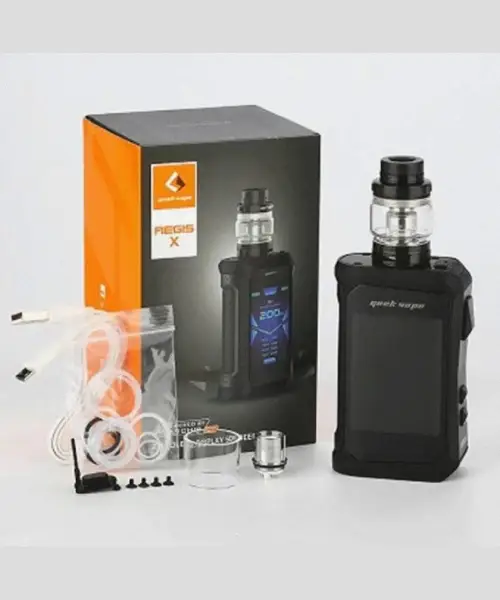
Glassware descriptions may refer to size, shape, material, decorative workmanship, or replacement components. Vaporizer equipment descriptions may refer to device compatibility, batteries, coils, and electronic specifications. Oil descriptions instead require attention to ingredients, cannabinoids, concentrations, and the intended product category. Mixing these descriptions together can create confusion about what a substance or device is designed to do.
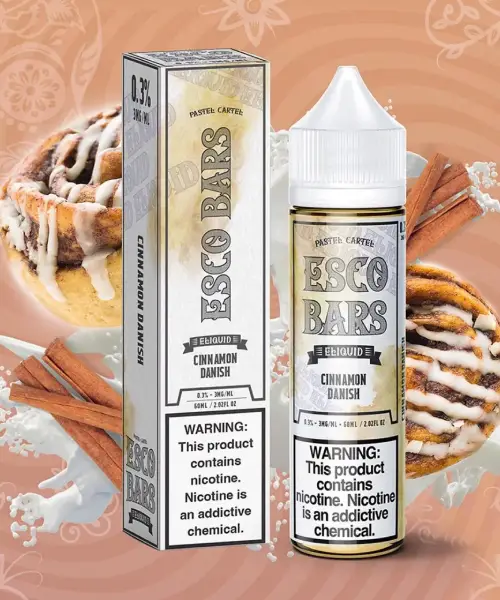
Nicotine salt is another term associated with the chain’s vapor retail category. It describes a form of nicotine used in some electronic vaping products; it is not a synonym for CBD, THC, or cannabis oil. Likewise, e-liquid terminology does not automatically establish whether a liquid contains nicotine, cannabinoids, or neither. Packaging and composition matter more than a familiar category label.
This guide does not provide instructions for using inhalation equipment or converting oils into inhalable products. That distinction is intentional: oils formulated for topical, culinary, or other uses cannot be presumed safe for inhalation. Ingredients acceptable in one product category may be inappropriate in another.
A clear website separates categories and explains terms without overstating product benefits. For a long-standing Central Valley retailer, this approach also preserves the distinction between the business’s general specialty-shop identity and the more tightly regulated category of THC-containing cannabis products.
Customer service, product information, and responsible retail descriptions
The business description highlights patient and knowledgeable staff, orderly storefronts, and a well-stocked appearance. These details help characterize the in-person retail environment. Customer service can support clear explanations of packaging terminology, manufacturer information, and the distinction between different product categories, but it should not be presented as a substitute for medical professionals or regulatory authorities.
For cannabis oil terminology in particular, accurate descriptions begin with the label. CBD and THC are different cannabinoids; full-extract preparations can have different compositions from isolated ingredients; and culinary oils are not automatically equivalent to pharmaceutical products. A store-facing article can explain these distinctions without implying that one category is appropriate for every individual.
The company has described its transactions as taking place in store with cash payments and customer verification. This is a useful operational distinction from online product descriptions, which can otherwise be mistaken for shipping or checkout offers. Mentioning an online search phrase in an educational article does not mean the business accepts online cannabis orders or ships cannabis across state lines.
California retail rules include age and identification requirements, as well as licensing and product compliance obligations. Those rules are not replaced by an individual shop’s history or customer reviews. They remain part of the regulatory framework in which authorized cannabis retail operates.
Finally, a strong local business page should be updated when facts change. New hours, relocated branches, modified product categories, or changes in state requirements should be reflected in the public description. That maintenance protects accuracy and helps distinguish durable business information from temporary announcements.
Sal’s Tobacco & More locations in Dinuba and Hanford
| Store | Address | Reported opening hours |
|---|---|---|
| Dinuba | 647 W El Monte Way, Dinuba, CA | Daily, 9 AM–9 PM |
| Hanford Downtown | 110 N 11th Ave, Hanford, CA | Mon–Sat, 8 AM–10 PM; Sun, 8 AM–9 PM |
| Hanford North | 2563 N 11th Ave, Hanford, CA | Mon–Sat, 9 AM–10 PM; Sun, 9 AM–9 PM |
These location details reflect the information provided by Sal’s Tobacco & More. The listed schedules may change during holidays or special events.
Sal’s Tobacco and More: store information and product education
Established in 2009, Sal’s Tobacco & More is a Central California smoke, vape, and glassware retail business with locations serving Dinuba and Hanford. The business describes licensed, in-store retail operations with cash payments and required customer identification. Its CBD oil and THC cannabis oil categories are discussed here as product terminology, not as a real-time inventory statement for every branch. Individual products and regulatory permissions may vary by location.
Frequently asked questions about cannabis oil
Does cannabis oil always contain THC?
No. The phrase is used broadly, and the composition depends on the specific formulation.
Is CBD identical to hemp seed oil?
No. CBD is a cannabinoid; hemp seed oil is primarily an oil pressed from hemp seeds.
Can the bottle appearance identify its cannabinoid content?
No. Appearance is not a dependable chemical test.
What is a COA?
A certificate of analysis is a laboratory report for a tested sample.
Does full-spectrum mean THC-free?
Not necessarily. The term does not by itself guarantee the absence of THC.
Is full-extract oil a standardized medicine?
No. Full-extract is a broad descriptive term, not proof of pharmaceutical approval.
Are cannabis-infused culinary oils the same as ordinary olive oil?
No. An infused preparation may contain additional compounds and require different safety precautions.
Can a topical oil be assumed suitable for inhalation?
No. A formulation intended for one route is not automatically safe for another.
Does a natural label prove a product is free of contaminants?
No. Meaningful testing and traceability are more informative than the word natural.
What does a batch number do?
It connects a product to manufacturing, testing, and potentially recall records.
Is cannabis oil proven to cure cancer?
No. Cannabis oil is not an established cancer cure.
Do prescription cannabinoid medicines validate all retail oils?
No. Evidence for a specific approved medicine cannot be generalized to unrelated formulations.
Why does California require identification checks?
Identification requirements support compliance with age and medicinal-eligibility rules.
Does a cash transaction remove regulatory obligations?
No. Payment method does not override retail licensing or customer-verification requirements.
Does an online article mean the store ships cannabis?
No. An informational website does not establish online ordering or shipping services.
Can THC affect driving?
Yes. THC can impair functions needed for safe driving.
Should cannabinoids replace prescribed medical treatment?
No. Treatment decisions should be discussed with a qualified medical professional.
Can research on cells establish effectiveness in people?
No. Laboratory findings require further evaluation before clinical conclusions can be drawn.
Why are child-resistant containers important?
They help reduce accidental access, particularly when products resemble familiar household items.
Where can I read California’s official cannabis rules?
The California Department of Cannabis Control publishes retailer guidance and current regulations.
California regulatory and public safety references
For current retail rules, refer to the California Department of Cannabis Control retail guidance, the published regulations, and the responsible cannabis use information. Regulatory guidance can change and local requirements may be more restrictive.
About Sal’s Tobacco and More
This product-category reference reflects the storefront model described by Sal’s Tobacco and More: licensed retail activity, in-store cash payments, and required identity verification. The article is informational and does not substitute for medical guidance or regulatory advice.