

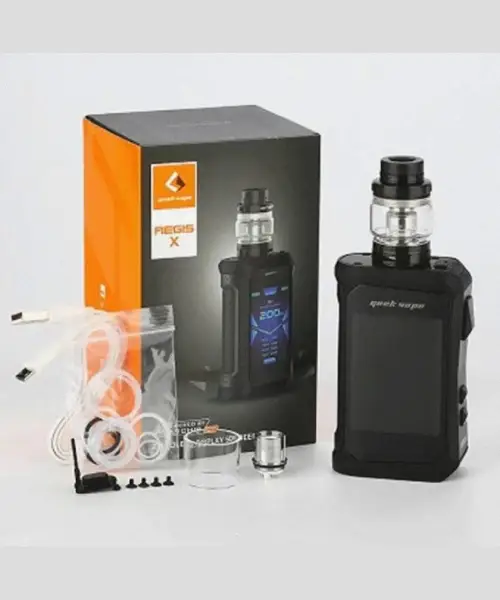
What does “use, charge and refill your vape” mean?
The phrase appears in searches because vaping products combine several separate technologies: an electronic power source, a heating element, a container, and an aerosol-forming substance. Understanding the terms does not mean that every device can be charged or refilled. Some are sealed, some have removable components, and some are designed to be discarded. A device described as a vape pen may have very little in common with a larger box mod beyond the general principle of heating a liquid or other material.
For a person researching the phrase how to use a vape, the first distinction is between recognizing the components and operating them. This guide concentrates on the former. Device-specific operation can involve nicotine or cannabis exposure, electrical hazards and age-restricted products. Product manuals also vary widely, so a generic internet instruction can be misleading or unsafe. The safer educational question is what the labels mean, what hazards are known, and when a damaged or unidentified device should not be handled.
Another reason these searches are confusing is that marketing terminology changes faster than regulation or scientific literature. A rechargeable disposable is still called disposable; a pod may be sealed or refillable; and a cartridge may contain nicotine or a cannabinoid formulation. Treat every description as a claim requiring context, not as proof of safety.
The anatomy of a vape pen
A vape pen is a broad name for a compact electronic aerosol device. Common elements include a housing, an electrical power source, a heating assembly, airflow passages and a container holding the formulation. Some devices also have indicator lights, a charging port or a replaceable cartridge. These components are not standardized across brands. The word pen describes the shape more reliably than the internal engineering.
The heating assembly is often called a coil or atomizer. Its materials and design can affect how a formulation is heated, but marketing claims about smoother or cleaner aerosol should not be accepted without evidence. Airflow channels may collect condensation or residue over time. Such changes can complicate the interpretation of a device's condition and should not be treated as routine signs that it is safe to keep using.
Readers looking for a vape pen battery are often encountering only one component of a larger system. A battery alone is not evidence of compatibility with a cartridge, and an electrical connector that looks familiar is not a safety certification. The overall device, its chemistry and its manufacturing quality matter.
Pod systems and vape pods
Vape pods are compact reservoirs used in some electronic aerosol systems. The term pod system describes a device designed around a matching pod format. Some pods are sealed at manufacture, while others are described as refillable. The terms are product classifications, not guarantees of quality, safety or suitability. They also do not establish whether a device contains nicotine.
A search for refillable vape pods may return very different designs with different sealing methods, materials and electrical characteristics. The existence of a fill opening does not make all liquids interchangeable. Conversely, a sealed pod is not necessarily free of leaks or manufacturing defects. Packaging and device identification are important for understanding what a product actually is.
Pod products are often marketed as simple, but simplicity in appearance should not be confused with reduced health risk. Nicotine salts, where present, can deliver substantial nicotine exposure. Flavor descriptions can obscure that the aerosol is not harmless water vapor. The CDC and FDA provide public-health information that is more dependable than a product slogan.
Cartridges and 510 terminology
Vape carts is an informal abbreviation for vape cartridges. A cartridge is a container and associated heating assembly that may connect to a separate power source. The term 510 often describes a common style of threaded connector, but it is not a universal technical approval or guarantee that two components are electrically compatible.
Searches for vape carts battery and vape pen for carts frequently reflect confusion about this distinction. Two devices can share a broadly similar connector while differing in electrical design, manufacturer requirements, physical tolerances and intended contents. Cross-brand compatibility claims deserve particular skepticism when they lack documentation. This article does not provide matching or assembly instructions.
Cartridge terminology also overlaps with cannabis products. THC vape oil and CBD vape oil are different from ordinary nicotine e-liquids, and the legal framework depends on the formulation and jurisdiction. The name cartridge alone reveals little about what is inside, whether the contents have been tested or whether a product is legally marketed.
Disposable, rechargeable and refillable are not synonyms
Disposable describes a product's intended lifecycle. Rechargeable describes a battery-related feature. Refillable describes whether a liquid reservoir is designed to receive more material. These are separate attributes. A product may be described as disposable while containing a rechargeable battery, a combination that creates significant environmental and disposal concerns.
A disposable vape pen is not necessarily safer because it arrives assembled. Sealed packaging can still conceal poor manufacturing, inaccurate labeling or an electrical defect. Similarly, a refillable vape pen is not inherently more reliable than a sealed design. Reliability depends on engineering, materials, manufacturing controls and the conditions to which the device has been exposed.
Readers should distinguish marketing shorthand from actual specifications. When a product cannot be identified, has missing warnings or lacks traceable manufacturer information, the uncertainty itself is meaningful. An attractive design and familiar product name do not resolve it.
| Term | What it describes | What it does not establish |
|---|---|---|
| Disposable | Intended product lifecycle | That the battery is absent |
| Rechargeable | A battery-related characteristic | That a reservoir is refillable |
| Refillable | A reservoir design category | That any liquid is appropriate |
| 510 | A connector-style term | Electrical compatibility or safety approval |
What charging means in an electronic aerosol device
Charging is the transfer of electrical energy into a rechargeable battery. Many small electronic aerosol devices contain lithium-ion cells, which store substantial energy in a compact space. Lithium-ion technology is used across consumer electronics, but batteries can overheat, fail or ignite under adverse conditions. A vape's small size does not remove those risks.
The phrase how to charge a vape pen often appears beside searches for USB ports, indicator lights and battery life. These features vary by manufacturer and cannot safely be generalized into one set of steps. Some products are not designed to be recharged at all. Attempting to treat every port or connector as interchangeable can create a hazardous mismatch.
From a public-safety perspective, the important points are recognizing signs of trouble and avoiding improvised repairs. Excessive heat, swelling, deformation, leaking, smoke or a chemical odor are reasons to stop handling a device and seek appropriate safety guidance. If a battery is actively smoking or burning, move away and contact emergency services.
Battery chemistry and thermal runaway
Lithium-ion batteries can fail through a process called thermal runaway, in which rising heat triggers further chemical reactions. This can escalate rapidly and may involve fire, hot gases or other hazards. Damage, manufacturing defects and electrical abuse are among the factors associated with failure. Thermal runaway is a battery-safety issue, not a vaping-specific feature.
The terms vape battery, vape pen battery and carts battery often appear in product listings without explaining cell quality, protection circuitry or testing standards. Marketing claims about long battery life or fast charging do not establish that a device has undergone meaningful independent safety assessment.
Battery safety also involves storage and disposal. A damaged lithium-ion cell should not be placed in ordinary household trash. Local hazardous-waste or battery-recycling guidance is a better starting point for disposal decisions. Never puncture, crush or dismantle a suspect battery.
What refilling means—and why labels matter
Refilling refers to adding a substance to a reservoir that was designed to receive it. The term can be misleading because not all products with visible reservoirs are intended to be opened. Some are sealed, and others are marketed with ambiguous terminology. This article does not provide directions for opening, filling or modifying vaping equipment.
The formulation matters as much as the container. An ingestible oil is not automatically an inhalable liquid. Ingredients considered acceptable in food or cosmetics may pose different risks when heated and inhaled. The history of vaping-associated lung injury illustrates why the composition and source of inhaled products deserve close scrutiny.
Terms such as vape juice, e-liquid, CBD vape oil and THC vape oil should therefore be read as category descriptions rather than as interchangeable names. A product label should identify the substance, relevant warnings and responsible manufacturer. Missing information is a reason for concern, not a puzzle to solve through experimentation.
Nicotine e-liquid and nicotine salts
Nicotine e-liquid may contain nicotine, solvents and flavoring chemicals. Nicotine salts are formulations that alter the chemical form of nicotine and are commonly discussed in connection with pod devices. The phrase salt does not mean ordinary table salt has been added. The term describes a chemical formulation with implications for nicotine delivery.
Nicotine is highly addictive and can affect adolescent brain development. Aerosol from electronic cigarettes can contain harmful substances beyond nicotine, including ultrafine particles and metals. Flavoring compounds may be safe for one route of exposure but not adequately studied for inhalation. These distinctions are important when interpreting claims that vaping is simply flavored water vapor.
For people who do not use nicotine, there is no health benefit in beginning. Adults who smoke and want to quit can discuss evidence-based cessation support with a healthcare professional. Vaping products should not be framed as a harmless beginner hobby.
CBD vape oil terminology
CBD vape oil is a phrase used in search results for products associated with cannabidiol, or CBD. The word oil is potentially confusing. Many inhalable formulations are not equivalent to conventional edible oils, and a label should not be taken as proof that a substance is suitable for inhalation.
CBD does not generally cause the same intoxication associated with THC, but it is not risk-free. It can cause adverse effects and interact with medications. Some products labeled CBD contain measurable THC or have inaccurate concentrations. Independent testing can help clarify composition, although a laboratory report is not the same as medical approval.
The FDA has approved a specific prescription CBD medicine for certain seizure disorders. That decision does not mean retail CBD vape liquids are approved treatments for anxiety, pain, insomnia or other conditions. Health claims should be evaluated against evidence rather than testimonials.
THC vape oil terminology
THC vape oil describes formulations containing tetrahydrocannabinol, a psychoactive cannabinoid. THC exposure can impair attention, memory, coordination and judgment. The term may appear in searches alongside THC oil vape, vape THC oil and THC vape oil cartridges. These are search phrases, not reliable descriptions of composition or legality.
Cannabis vaping products may contain additional compounds and additives, and some unregulated products have been associated with serious lung injury. Product provenance and regulatory oversight matter, but no label eliminates the underlying health risks of inhalation. A product's apparent popularity should not be confused with evidence of safety.
California regulates commercial cannabis products through a licensing and testing system. Hemp-related products can be subject to different restrictions. A generic internet guide cannot establish the legal status of an individual product, and readers should rely on current official agency information.
What is actually in vape aerosol?
The word vapor is widely used, but electronic cigarettes generally produce an aerosol: a suspension of tiny particles or droplets in air. Depending on the device and contents, this aerosol can contain nicotine, flavoring chemicals, volatile compounds, metals and other substances. Exposure depends on multiple factors and is not identical across products.
The absence of smoke from burning tobacco does not make an aerosol harmless. Different devices can generate different emissions, and laboratory measurements do not always reflect every real-world condition. Product labels rarely provide a complete description of what is formed during heating.
Secondhand aerosol can also expose nearby people to substances they did not choose to inhale. Public-health policies on indoor use aim to reduce unwanted exposure. For younger readers, avoiding nicotine and cannabis aerosol is the safest option.
Device condition and warning signs
An electronic aerosol device may show external signs of damage, including cracks, swelling, unusual heat, leaking liquid, a distorted casing or damaged electrical contacts. These signs matter because a defect can involve both chemical exposure and electrical hazards. The appearance of a device alone cannot establish that it is safe.
Leaking contents should not be treated as ordinary water. Nicotine-containing liquids can be toxic if swallowed and can present risks through skin exposure, especially to children. Cannabis formulations may also create accidental exposure risks. If someone has been exposed, local poison-control or emergency guidance may be appropriate.
A damaged or unidentified device should not be modified, dismantled or tested experimentally. The safest response is to avoid further contact, keep it away from children and pets, and follow local hazardous-waste guidance for appropriate handling.
Understanding indicator lights and marketing claims
Product descriptions often mention LED indicators, display screens, charging status and battery meters. These indicators are manufacturer-specific and may not provide a complete picture of internal battery condition. A light that turns on is not proof that the device is undamaged or that its electrical system is functioning safely.
Marketing language may describe smart chips, intelligent power, rapid charging or advanced protection. Such phrases are not substitutes for documented safety testing or transparent manufacturer information. A credible technical claim should be specific enough to verify.
Readers comparing product categories should distinguish a feature list from independent evidence. A higher number of settings or a larger display does not necessarily mean a device is safer. More controls can also make a generic internet explanation less reliable.
Why device compatibility is complicated
The term compatibility can refer to physical fit, electrical requirements, intended formulation and manufacturer authorization. These are different questions. Two parts that appear to connect may not be designed to function together. A connector label alone cannot resolve the full set of engineering requirements.
Searches for 510 vape pen, vape pen for carts and vape carts battery are therefore easy to misinterpret. The words may refer to a connector family rather than a tested combination. There is no universal guarantee across manufacturers, even when product listings use similar language.
The educational takeaway is that improvised combinations and modifications create avoidable uncertainty. This guide intentionally does not supply pairing tables, assembly procedures or operational settings for age-restricted vaping equipment.
Counterfeit devices and packaging
Counterfeit and unauthorized vaping products can imitate the appearance of established brands. Packaging may copy logos, color schemes and product names. A convincing box does not demonstrate that the contents were made by the stated company or subjected to appropriate quality controls.
Warning signs can include inconsistent manufacturer information, missing batch identifiers, implausible claims and packaging that conflicts with official regulatory requirements. However, no single visual clue is definitive. A counterfeit product can look polished, while a legitimate package can still be confusing.
Public-health concerns extend beyond trademark infringement. Misidentified ingredients, defective batteries and missing safety information can increase the consequences of a counterfeit or unregulated product. This is one reason not to rely solely on social media endorsements.
Why product testing matters
Testing may assess chemical composition, contaminants or electrical performance, depending on the product and the applicable standards. For cannabis products, laboratory reports may address cannabinoid content and selected contaminants. For electronic devices, safety evaluations involve different engineering questions.
A certificate of analysis, sometimes called a COA, describes a tested sample. It does not automatically prove that every item sold under the same brand name is identical. Reports should be associated with identifiable batches and legitimate laboratories. Even then, testing cannot eliminate all possible risks.
Marketing phrases such as lab-tested, premium and clean should not be treated as medical guarantees. Reliable oversight depends on meaningful standards, traceability, honest labeling and enforcement.
California law and age restrictions
California regulates tobacco and cannabis products through overlapping but distinct frameworks. Rules may address age limits, licensing, product categories, labeling, advertising and location-specific restrictions. The legal status of one type of device or liquid cannot be assumed from the status of another.
The California Department of Cannabis Control provides official information on the regulated cannabis market. The California Department of Public Health and other agencies provide guidance relevant to tobacco products and public health. Federal rules can also apply, particularly to nicotine products and product authorization.
Readers should consult current agency guidance rather than relying on an article as legal advice. Sal's Tobacco & More maintains an age-verification policy, but that policy does not independently establish the legality or availability of a particular product.
Environmental impacts of disposable devices
Many disposable electronic aerosol products combine plastic, metal, circuit boards and lithium-ion batteries in one compact item. This makes waste management difficult. A product may be small enough to fit in a pocket yet still contain materials that should not enter ordinary household trash.
Lithium batteries can create fires in waste collection and recycling facilities if crushed or damaged. Residual nicotine or cannabinoid liquids may create additional disposal concerns. Local waste authorities may have specific rules for household hazardous waste and batteries.
The phrase disposable should never be interpreted as meaning environmentally harmless. Design choices that make a product difficult to repair or separate can increase waste burdens, even when marketing emphasizes convenience.
Nicotine dependence and withdrawal
Nicotine dependence develops when repeated exposure changes the brain's response to nicotine. People may experience cravings, irritability, difficulty concentrating or other symptoms when nicotine exposure stops. Dependence can occur even when a product is marketed as compact, modern or easy to use.
Adolescents are especially vulnerable because the brain continues developing into young adulthood. Flavorings and social media trends can make vaping seem less risky than it is. Public-health messaging emphasizes prevention rather than introducing nicotine to people who have never used it.
Anyone struggling with nicotine dependence can seek support from a healthcare professional or evidence-based cessation service. Support can include counseling and, where appropriate, approved treatments. There is no need to experiment with unfamiliar vaping devices to address withdrawal.
Cannabis impairment and vulnerable groups
THC can affect reaction time, attention, memory and coordination. These effects are relevant to driving, school, work and other activities that require judgment. Cannabis products can also cause unpleasant psychological or physical effects, and individual responses vary.
Young people, pregnant people and people with certain health conditions face particular concerns. CBD can also interact with medications. The presence of cannabis-related terms in a product title should never be mistaken for evidence that the product is appropriate for everyone.
Health information should distinguish a compound's pharmacology from marketing promises. A claim that a product is natural, plant-based or widely used does not establish that inhalation is safe.
Vaping myths and misconceptions
One common myth is that electronic cigarette aerosol is only water vapor. Another is that nicotine-free labels automatically mean a product has no inhalation risks. Both claims oversimplify the chemistry of aerosols and the uncertainty around some ingredients.
A third misconception is that all rechargeable devices are interchangeable. Batteries and electrical components vary, and compatibility cannot be established by appearance alone. Similarly, a refillable label does not mean any substance can safely be placed into a reservoir.
The most useful response to these myths is careful terminology. Distinguish an aerosol from water vapor, a marketing claim from a test result, and a connector style from a complete engineering specification.
How to interpret online reviews and rankings
Online reviews may describe flavor, appearance, battery life or personal impressions. They rarely provide rigorous evidence about long-term health outcomes, chemical emissions or manufacturing consistency. Ratings can also be affected by sponsorships, incomplete disclosures or counterfeit listings.
Search terms such as best vape pen or best vape pods frequently lead to rankings that prioritize convenience or commercial interests. A safety-oriented reader should recognize that a high ranking is not equivalent to a medical or engineering assessment.
This guide avoids recommending specific vaping products. Its purpose is to help readers interpret the terminology they encounter and understand the limits of common marketing claims.
The role of manufacturer documentation
A manufacturer may publish technical specifications, warnings and product identification details. These documents can help distinguish a product's intended category from an online seller's informal description. However, documentation can be incomplete or inaccurate, especially for counterfeit goods.
Safety notices and recalls are particularly important because they may identify known defects. An official recall should be taken seriously even if a device appears to function normally. Regulatory agencies and manufacturers sometimes publish updated warnings after a product reaches the market.
Documentation should be considered alongside independent regulatory information, not as a substitute for it. An instruction manual is also not a guarantee that a product is appropriate for a minor or a person who does not already use nicotine.
Understanding search terms about problems
Queries such as vape pen not charging, vape pod leaking and vape cartridge not working may reflect device defects, incompatibility, damage or ordinary wear. A search result that offers a quick fix can be dangerous if it encourages battery modification, bypassing safety features or contact with leaked liquids.
Because the cause cannot be diagnosed reliably from a search phrase alone, this guide does not provide troubleshooting sequences. Warning signs such as overheating, swelling, smoke or leakage deserve caution rather than experimentation.
For suspected poisoning or exposure, seek advice from poison control or emergency services as appropriate. For battery disposal, consult local hazardous-waste guidance. These responses address safety without turning an uncertain problem into a risky repair exercise.
Sal's Tobacco & More and Central California
Sal's Tobacco & More has served communities in Central California since 2009. The business has locations in Dinuba and Hanford and provides general information about its history and policies on its website. These details are included as background for local readers, not as confirmation that a particular device or liquid is stocked.
The Dinuba address supplied for this article is 647 W El Monte Way, with stated hours of 9 AM to 9 PM daily. The downtown Hanford location is at 110 N 11th Ave; the north Hanford location is at 2563 N 11th Ave. Hours may change, so business information should be confirmed directly.
Readers can consult the website's About Us, Contact Us and Age Verification Policy pages for business information. These pages should not be confused with official medical guidance or a guarantee of product authorization.
Related educational reading
Understanding vaping terminology is easier when individual categories are separated. The website has educational posts discussing vape pens, pod systems, box mods, cartridges, batteries and the differences between CBD and THC formulations. Each category introduces its own definitions and limitations.
For example, the pod-systems article helps distinguish a pod from a cartridge, while the vape-carts article discusses cartridge terminology. The box-mods article explains why a larger device category cannot be understood solely through the phrase vape pen. Articles about CBD and THC formulations help clarify why the contents matter as much as the hardware.
Readers should treat these resources as introductions rather than instructions to begin vaping. Public-health guidance from the CDC and FDA remains important for evaluating nicotine addiction, aerosol exposure and device hazards.
What a safety-first conclusion looks like
The search phrase how to use, charge and refill your vape bundles together several questions that should be separated. What kind of device is being described? What substance is associated with it? Is the battery rechargeable? Is the reservoir sealed? What claims are made about testing and legal status? These are questions of identification and safety, not invitations to experiment.
The key principle is that electronic aerosol devices are not universally interchangeable. A familiar name or connector does not establish compatibility. A polished package does not prove authenticity. A rechargeable label does not eliminate battery hazards, and a CBD or nicotine-free label does not eliminate inhalation risks.
For someone who does not vape, avoiding nicotine and cannabis aerosol remains the safest choice. For someone concerned about dependence or exposure, qualified healthcare advice and authoritative public-health information are more useful than product tutorials.
Explore related articles and business information
These internal resources provide additional terminology and background. Links to educational posts are not endorsements or recommendations to obtain age-restricted products.
Official information: CDC on e-cigarettes, FDA tobacco products, and California Department of Cannabis Control.
Frequently asked questions
What is a vape pen?
A vape pen is a compact electronic aerosol device. Its name describes a broad shape and category, not a universal design. Products differ in power sources, heating components, containers and intended substances. A vape pen should not be assumed safe simply because it is small.
What are vape pods?
Vape pods are reservoirs associated with pod-system devices. Some are sealed and others are marketed as refillable. Their appearance does not establish what substance they contain or whether a particular pod is compatible with another device.
What is a vape cartridge?
A vape cartridge is a container with components associated with aerosol generation. It may be attached to a separate power source. Cartridge terminology appears in both nicotine and cannabis contexts, so a name alone does not identify the formulation.
What does 510 mean?
The number 510 is commonly used to describe a threaded connector style. It does not certify electrical compatibility, manufacturer approval or product safety. Similar-looking connections can belong to devices with different specifications.
Are all vape pens rechargeable?
No. Rechargeable and non-rechargeable products exist, and the word disposable can appear on products with rechargeable cells. An unidentified port or connector should not be treated as proof that a device can safely be charged.
Can a disposable vape contain a battery?
Yes. Many disposable electronic aerosol devices contain lithium-ion batteries. Their disposal is an environmental and fire-safety concern because battery-containing waste can be damaged in collection or processing facilities.
What is thermal runaway?
Thermal runaway is a battery failure process in which heat triggers reactions that generate more heat. It can escalate to fire or release of hot gases. Damaged or overheating lithium-ion batteries require caution and appropriate emergency guidance.
What if a vape device becomes unusually hot?
Unusual heat can be a warning sign of battery or electrical failure. Avoid handling or attempting to repair a suspect device. If it is smoking or burning, move away and contact emergency services.
Is vape aerosol just water vapor?
No. Electronic cigarettes typically generate an aerosol containing tiny droplets or particles. Depending on the product, this aerosol may contain nicotine, flavoring chemicals, metals and other substances. It is not equivalent to clean water vapor.
What are nicotine salts?
Nicotine salts are chemical formulations of nicotine used in some e-liquids. The name does not mean table salt. Nicotine is addictive, and exposure is especially concerning for adolescents because their brains are still developing.
What is refillable vape pod terminology?
A refillable pod is a product category indicating that a reservoir is designed to receive liquid. The description does not mean all liquids are suitable or that the product is risk-free. This article does not provide filling instructions.
Are CBD vape oil and edible CBD oil interchangeable?
No. Inhalable and ingestible formulations can have different ingredients and safety considerations. A substance suitable for food use is not automatically safe when heated and inhaled. Labels should not be interpreted as permission to interchange products.
Does CBD cause a THC-like high?
CBD generally does not produce the intoxicating high associated with THC, but it can cause adverse effects and interact with medications. Some retail CBD products contain THC or have inaccurate labels.
What is THC vape oil?
THC vape oil is a broad term for inhalable formulations containing tetrahydrocannabinol. THC can cause intoxication and impairment. Product composition, health risks and legal status depend on the formulation and regulatory context.
Are vaping products safe for teenagers?
Nicotine can affect the developing adolescent brain and is addictive. Cannabis exposure can also pose risks to attention, memory and judgment. For young people who do not vape, avoiding nicotine and cannabis aerosol is the safest choice.
Can vape liquids cause poisoning?
Yes. Nicotine-containing liquids can be dangerous if swallowed, and accidental exposure can be particularly serious for children. Cannabis-containing products also present poisoning risks. Suspected exposure warrants prompt advice from poison control or emergency services.
What is a counterfeit vape product?
A counterfeit product imitates another brand's identity or packaging without authorization. Appearance alone may not reveal the problem. Counterfeits may lack reliable ingredient information, quality controls or traceable manufacturing details.
Does lab-tested mean harmless?
No. Testing can provide information about a particular sample and selected hazards, but it does not eliminate all health risks. A laboratory report is not the same as FDA approval or evidence of long-term safety.
Why do vape batteries require special disposal?
Lithium-ion batteries can cause fires if crushed or damaged in waste facilities. Devices may also contain residual chemical substances. Local battery recycling and household hazardous-waste guidance are appropriate sources for disposal information.
What is a box mod?
Box mod is a broad term for a larger, often box-shaped electronic aerosol device. The category can include different electrical systems and controls. Its name does not indicate a universal standard of safety or operation.
Do device lights prove the battery is safe?
No. Indicator lights are manufacturer-specific and may communicate limited information. A working light does not prove that a battery, connector or heating assembly is undamaged.
What does compatibility mean for vaping devices?
Compatibility may involve physical fit, electrical design, intended formulation and manufacturer authorization. One visible feature cannot resolve all these issues. Improvised combinations can create avoidable hazards.
What is secondhand vape aerosol?
Secondhand aerosol is material released into the surrounding air during vaping. It may expose bystanders to nicotine or other substances. Public-health policies often aim to reduce involuntary exposure.
Are flavored vaping products harmless?
No. Flavoring ingredients do not make inhalation harmless. A chemical that is acceptable in food may not have the same safety profile when heated and inhaled. Nicotine and other constituents may also be present.
Can vaping lead to nicotine dependence?
Yes. Nicotine is addictive. Dependence may involve cravings and withdrawal symptoms when exposure stops. A healthcare professional or evidence-based cessation program can provide support.
What is a certificate of analysis?
A certificate of analysis is a report describing testing of a sample, often for chemical composition or contaminants. It should be connected to an identifiable batch and laboratory. It is not a guarantee of medical safety.
Does California regulate vaping products?
Yes. California has rules affecting tobacco and cannabis products, including age restrictions and other requirements. The applicable rules depend on the product. Official state agencies provide current regulatory information.
Are hemp-derived products automatically legal?
No. The federal definition of hemp does not make every hemp-derived product lawful in every context. State restrictions, formulation, intended use and marketing claims can affect legal status.
Why can a vape leak?
Leakage may reflect damage, manufacturing issues or other product-specific factors. Because the contents may be hazardous, leakage should be treated as a safety concern rather than a reason to attempt an improvised repair.
Can online rankings establish product safety?
No. Rankings and testimonials may reflect subjective preferences, sponsorships or incomplete information. They do not replace independent testing, regulatory oversight or medical evidence.
Where can I find reliable vaping health information?
The CDC and FDA publish public-health information about electronic cigarettes, nicotine addiction, aerosol exposure and device risks. Official California agencies provide state regulatory information. These sources are preferable to unsupported marketing claims.
Does Sal's Tobacco & More confirm product availability in this article?
No. The locations and website links here are supplied as general business context. The article does not verify inventory, endorse particular devices or establish the legality of individual products.
What should I do if I am concerned about nicotine use?
A healthcare professional or established cessation service can help assess nicotine dependence and available support. People who have never used nicotine do not need to start vaping, and young people should avoid nicotine products.
Why are vape devices difficult to recycle?
Some devices combine batteries, plastic, metal, circuit boards and residual liquids in a single housing. This complicates material separation and creates risks in ordinary waste streams. Local hazardous-waste services can explain accepted disposal methods.
What is the main takeaway from this guide?
Device names such as vape pen, pod and cartridge describe categories, not guarantees. Batteries can fail, inhaled aerosols can be harmful and legal requirements vary. Understanding terminology and warning signs is safer than relying on generic online operating instructions.