An in-depth guide to vape pen terminology, batteries, cartridges, CBD and THC categories, aerosol health risks, environmental concerns, and California regulations.
Central California • Dinuba • Hanford • Reedley area
The keyword vape pen appears in searches about nicotine devices, cannabis products, CBD formulations, batteries, cartridges, and disposable electronics. Although these topics are often grouped together, they are not the same. Understanding the differences matters because each category carries its own health, electrical, environmental, and legal considerations.
This article uses relevant informational themes from a keyword research file of 30,003 search terms. It is written for the educational section of Sal’s Tobacco & More, a Central California business. The article does not recommend vaping, explain how to use these devices, or confirm store inventory.
A vape pen is a portable electronic device that heats a substance to produce an aerosol. The name refers to the long, narrow shape of many early designs, although modern products vary considerably in size and appearance.
The phrase is an umbrella category rather than a single technical standard. Two devices described as vape pens may have different power sources, heating elements, liquids, cartridges, and safety controls.
Aerosol is not simply harmless water vapor. Depending on the substance and device, it can contain nicotine, cannabinoids, ultrafine particles, metals, and other potentially harmful chemicals.
An important reading habit is to separate the product name from the evidence behind it. A familiar label may describe how something looks, but not whether its contents have been accurately disclosed. This distinction is especially important when online searches mix regulated goods, unregulated listings, and informal reviews.
There is also a difference between individual experience and population-level evidence. A personal account may be sincere without being representative. Reliable public-health conclusions depend on studies that examine exposure, uncertainty, limitations, and outcomes across many people.
Search engines group together questions about nicotine devices, cannabis products, CBD formulations, replacement components, and general electronics. That mixture can make apparently similar results misleading.
A phrase such as best vape pen is subjective and does not establish independent safety, legal compliance, or suitability. Advertising language may emphasize appearance or convenience while leaving out information about emissions and ingredients.
For readers researching a category, identifying the actual substance and device design is more informative than relying on a generic search phrase.
Product information also has a time dimension. Regulations, formulations, and manufacturing practices can change, so a description written several years ago may no longer describe the same market. Readers benefit from checking dates, identifying the responsible agency, and distinguishing verified facts from promotional wording.
Words that sound technical can create unwarranted confidence. A specification, ingredient name, or laboratory acronym is meaningful only when the surrounding explanation is accurate. It is reasonable to ask what a claim measures, what it leaves out, and whether independent evidence supports it.
Early electronic cigarette designs often resembled traditional cigarettes. Later products adopted larger batteries and pen-like housings, giving rise to the term vape pen.
As designs diversified, disposable, pod-based, cartridge-based, and larger modular devices began appearing under overlapping marketing descriptions. Product terminology did not become more consistent as the market expanded.
Historical design changes help explain why the same term may refer to substantially different devices. Appearance alone cannot reveal what an aerosol contains.
There is also a difference between individual experience and population-level evidence. A personal account may be sincere without being representative. Reliable public-health conclusions depend on studies that examine exposure, uncertainty, limitations, and outcomes across many people.
When discussing this topic with young people, plain language is more useful than glamour or fear. The key questions concern potential exposure, dependence, impairment, electrical safety, and legal restrictions. These questions remain relevant even when the device is small, discreet, or attractively packaged.
A typical pen-shaped device may contain a battery, control circuitry, a heating element, a liquid reservoir or cartridge, and an outer housing. Not every model contains every component in the same configuration.
Some devices have permanently integrated components, while others are modular. Their electrical connections, heating materials, and protective circuits may differ. A shared external shape does not prove that parts are interchangeable.
Technical specifications can be useful for identifying components, but they should not be mistaken for evidence that a device is free from health risks.
Words that sound technical can create unwarranted confidence. A specification, ingredient name, or laboratory acronym is meaningful only when the surrounding explanation is accurate. It is reasonable to ask what a claim measures, what it leaves out, and whether independent evidence supports it.
An important reading habit is to separate the product name from the evidence behind it. A familiar label may describe how something looks, but not whether its contents have been accurately disclosed. This distinction is especially important when online searches mix regulated goods, unregulated listings, and informal reviews.
Many vape pens rely on rechargeable lithium-ion cells. Battery capacity, voltage, protection circuitry, and enclosure design can vary across manufacturers.
Lithium-ion batteries store substantial energy in a compact space. Damage, manufacturing defects, exposure to excessive heat, or electrical faults can lead to overheating and fire.
Battery information should be understood as a safety issue rather than a performance promise. A high advertised capacity does not by itself demonstrate safe engineering.
When discussing this topic with young people, plain language is more useful than glamour or fear. The key questions concern potential exposure, dependence, impairment, electrical safety, and legal restrictions. These questions remain relevant even when the device is small, discreet, or attractively packaged.
Product information also has a time dimension. Regulations, formulations, and manufacturing practices can change, so a description written several years ago may no longer describe the same market. Readers benefit from checking dates, identifying the responsible agency, and distinguishing verified facts from promotional wording.
The term 510 commonly describes a threaded electrical connection used on certain cartridge-based devices. It is a connector label, not a certification of safety.
Different products using this terminology can still vary in electrical requirements, construction, and chemical contents. Similar-looking threads do not guarantee that two components are appropriate for each other.
Readers should avoid interpreting 510 as proof of authenticity, regulatory approval, or universal compatibility.
An important reading habit is to separate the product name from the evidence behind it. A familiar label may describe how something looks, but not whether its contents have been accurately disclosed. This distinction is especially important when online searches mix regulated goods, unregulated listings, and informal reviews.
There is also a difference between individual experience and population-level evidence. A personal account may be sincere without being representative. Reliable public-health conclusions depend on studies that examine exposure, uncertainty, limitations, and outcomes across many people.
Disposable vape pens are generally sold as integrated devices intended to be discarded after a limited period of use. Some have rechargeable batteries despite being marketed as disposable.
The category raises two distinct concerns: aerosol exposure during use and waste after disposal. An integrated battery and residual chemicals can complicate ordinary household disposal.
Disposable branding can also obscure the fact that these devices contain electronic components and potentially hazardous materials. Local battery and e-waste guidance is relevant.
Product information also has a time dimension. Regulations, formulations, and manufacturing practices can change, so a description written several years ago may no longer describe the same market. Readers benefit from checking dates, identifying the responsible agency, and distinguishing verified facts from promotional wording.
Words that sound technical can create unwarranted confidence. A specification, ingredient name, or laboratory acronym is meaningful only when the surrounding explanation is accurate. It is reasonable to ask what a claim measures, what it leaves out, and whether independent evidence supports it.
Rechargeable refers to whether the power source can receive additional electrical energy. Refillable refers to whether a liquid reservoir is designed to be replenished. The terms describe different features.
A product can be rechargeable without being refillable, or use replaceable cartridges without allowing access to the internal reservoir. Marketing descriptions often combine these distinctions.
Neither characteristic establishes that the product is medically safer. Aerosol chemistry, battery quality, and ingredient controls remain separate questions.
There is also a difference between individual experience and population-level evidence. A personal account may be sincere without being representative. Reliable public-health conclusions depend on studies that examine exposure, uncertainty, limitations, and outcomes across many people.
When discussing this topic with young people, plain language is more useful than glamour or fear. The key questions concern potential exposure, dependence, impairment, electrical safety, and legal restrictions. These questions remain relevant even when the device is small, discreet, or attractively packaged.
Pod systems typically use a replaceable or integrated pod that holds liquid and a heating assembly. Pen-shaped products may instead use tanks or cartridges.
The terms overlap because some pod devices have slim pen-like bodies. The important distinction is the device architecture rather than the silhouette.
For more context on how manufacturers describe this category, the site has an informational article on pod systems linked later in this guide.
Words that sound technical can create unwarranted confidence. A specification, ingredient name, or laboratory acronym is meaningful only when the surrounding explanation is accurate. It is reasonable to ask what a claim measures, what it leaves out, and whether independent evidence supports it.
An important reading habit is to separate the product name from the evidence behind it. A familiar label may describe how something looks, but not whether its contents have been accurately disclosed. This distinction is especially important when online searches mix regulated goods, unregulated listings, and informal reviews.
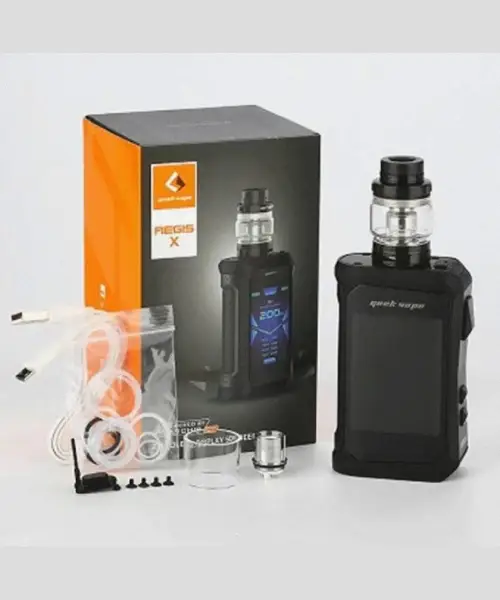
Box mods are generally larger electronic housings with a different form factor from pen-shaped devices. Their design may provide additional controls, but the name is not a quality rating.
More complex electronics do not eliminate battery, overheating, or inhalation concerns. User-facing technical settings are also not equivalent to regulatory oversight.
Comparing device categories is most useful when it clarifies terminology, component differences, and the need for accurate safety labeling.
When discussing this topic with young people, plain language is more useful than glamour or fear. The key questions concern potential exposure, dependence, impairment, electrical safety, and legal restrictions. These questions remain relevant even when the device is small, discreet, or attractively packaged.
Product information also has a time dimension. Regulations, formulations, and manufacturing practices can change, so a description written several years ago may no longer describe the same market. Readers benefit from checking dates, identifying the responsible agency, and distinguishing verified facts from promotional wording.
CBD vape pen usually refers to an inhalation device associated with cannabidiol-containing liquid or extract. CBD is a cannabinoid found in cannabis plants.
Products marketed as CBD can differ in THC content, additional cannabinoids, carrier ingredients, and contamination risk. CBD does not typically cause the same intoxication as THC, but it is not risk-free.
An ingredient appropriate in a food or topical product is not necessarily safe to inhale. Claims about CBD benefits require careful scientific and regulatory scrutiny.
An important reading habit is to separate the product name from the evidence behind it. A familiar label may describe how something looks, but not whether its contents have been accurately disclosed. This distinction is especially important when online searches mix regulated goods, unregulated listings, and informal reviews.
There is also a difference between individual experience and population-level evidence. A personal account may be sincere without being representative. Reliable public-health conclusions depend on studies that examine exposure, uncertainty, limitations, and outcomes across many people.
THC vape pen is a broad description of a device associated with tetrahydrocannabinol, the main intoxicating cannabinoid in cannabis. Related searches include weed vape pen and pot vape pen.
THC can impair attention, coordination, judgment, and memory. Adolescents are especially vulnerable to cannabis-related harms, and the legal rules for cannabis products are age restricted.
The term does not indicate whether a product comes from a regulated market, has been tested, or contains accurate levels of THC.
Product information also has a time dimension. Regulations, formulations, and manufacturing practices can change, so a description written several years ago may no longer describe the same market. Readers benefit from checking dates, identifying the responsible agency, and distinguishing verified facts from promotional wording.
Words that sound technical can create unwarranted confidence. A specification, ingredient name, or laboratory acronym is meaningful only when the surrounding explanation is accurate. It is reasonable to ask what a claim measures, what it leaves out, and whether independent evidence supports it.
Dry herb vaporizer is a term used for devices designed around plant material rather than a prefilled liquid cartridge. The category differs from liquid-based electronic cigarettes in its materials and internal structure.
Marketing may use words such as vapor, smoke-free, or clean. These words should not be interpreted as evidence that inhaling the resulting aerosol is harmless.
The public-health question remains what substances are emitted and inhaled, not simply whether a device looks different from another product.
There is also a difference between individual experience and population-level evidence. A personal account may be sincere without being representative. Reliable public-health conclusions depend on studies that examine exposure, uncertainty, limitations, and outcomes across many people.
When discussing this topic with young people, plain language is more useful than glamour or fear. The key questions concern potential exposure, dependence, impairment, electrical safety, and legal restrictions. These questions remain relevant even when the device is small, discreet, or attractively packaged.
A cartridge is a container or module associated with a vaping device. Some cartridges are sealed, while others are integrated into a larger assembly.
A cartridge label may describe CBD, THC, nicotine, flavoring, or other substances. Those descriptions are not substitutes for reliable testing and appropriate regulatory oversight.
The website also has an educational guide explaining vape carts and battery terminology in greater detail.
Words that sound technical can create unwarranted confidence. A specification, ingredient name, or laboratory acronym is meaningful only when the surrounding explanation is accurate. It is reasonable to ask what a claim measures, what it leaves out, and whether independent evidence supports it.
An important reading habit is to separate the product name from the evidence behind it. A familiar label may describe how something looks, but not whether its contents have been accurately disclosed. This distinction is especially important when online searches mix regulated goods, unregulated listings, and informal reviews.
The output of a vaping device is an aerosol: a suspension of tiny particles or droplets in air. Its composition depends on ingredients, heating conditions, and device materials.
Potential exposures can include nicotine, cannabinoids, solvents, volatile organic compounds, flavor-related chemicals, and metals. The amounts vary, and not every product has the same risk profile.
Because aerosols are inhaled into the lungs, ingredient safety in another context cannot automatically be applied to vaping.
When discussing this topic with young people, plain language is more useful than glamour or fear. The key questions concern potential exposure, dependence, impairment, electrical safety, and legal restrictions. These questions remain relevant even when the device is small, discreet, or attractively packaged.
Product information also has a time dimension. Regulations, formulations, and manufacturing practices can change, so a description written several years ago may no longer describe the same market. Readers benefit from checking dates, identifying the responsible agency, and distinguishing verified facts from promotional wording.
Nicotine is an addictive chemical commonly present in some electronic cigarette liquids. It can affect attention, mood, and developing brains.
Nicotine dependence can make it difficult to stop using a product, and withdrawal symptoms can interfere with daily life. Product packaging may not communicate the full significance of this risk.
People who do not already use nicotine should not interpret vaping advertising as a reason to begin. Public-health resources can provide evidence-based information on quitting.
An important reading habit is to separate the product name from the evidence behind it. A familiar label may describe how something looks, but not whether its contents have been accurately disclosed. This distinction is especially important when online searches mix regulated goods, unregulated listings, and informal reviews.
There is also a difference between individual experience and population-level evidence. A personal account may be sincere without being representative. Reliable public-health conclusions depend on studies that examine exposure, uncertainty, limitations, and outcomes across many people.
Cannabis products containing THC can cause intoxication and impair functions needed for safe driving and other activities. The effects can vary by individual and product.
Concentrated cannabis products may contain high amounts of THC. A small package or pen-shaped device should not be assumed to imply low exposure or low risk.
Public-health guidance emphasizes that cannabis is not harmless, particularly for adolescents and people with certain health vulnerabilities.
Product information also has a time dimension. Regulations, formulations, and manufacturing practices can change, so a description written several years ago may no longer describe the same market. Readers benefit from checking dates, identifying the responsible agency, and distinguishing verified facts from promotional wording.
Words that sound technical can create unwarranted confidence. A specification, ingredient name, or laboratory acronym is meaningful only when the surrounding explanation is accurate. It is reasonable to ask what a claim measures, what it leaves out, and whether independent evidence supports it.
The 2019 outbreak of e-cigarette or vaping product use-associated lung injury, known as EVALI, drew attention to serious harms linked to some vaping products.
Investigators strongly associated vitamin E acetate with the outbreak, particularly in THC-containing vaping products from informal sources. This finding does not mean other vaping aerosols are safe.
A history of one identified contaminant illustrates why unknown additives and unverified formulations can be dangerous.
There is also a difference between individual experience and population-level evidence. A personal account may be sincere without being representative. Reliable public-health conclusions depend on studies that examine exposure, uncertainty, limitations, and outcomes across many people.
When discussing this topic with young people, plain language is more useful than glamour or fear. The key questions concern potential exposure, dependence, impairment, electrical safety, and legal restrictions. These questions remain relevant even when the device is small, discreet, or attractively packaged.
Heating elements may use metal coils, ceramic components, or combinations of materials. Different constructions can affect durability and potential emissions.
The presence of ceramic or stainless steel in marketing materials does not establish that an entire device has been tested for inhalation safety. Manufacturing quality and operating conditions matter.
Independent evidence about emitted substances is more meaningful than a single material descriptor.
Words that sound technical can create unwarranted confidence. A specification, ingredient name, or laboratory acronym is meaningful only when the surrounding explanation is accurate. It is reasonable to ask what a claim measures, what it leaves out, and whether independent evidence supports it.
An important reading habit is to separate the product name from the evidence behind it. A familiar label may describe how something looks, but not whether its contents have been accurately disclosed. This distinction is especially important when online searches mix regulated goods, unregulated listings, and informal reviews.
Battery incidents can involve overheating, venting, smoke, or fire. Risk factors may include damaged cells, faulty circuitry, and inappropriate charging equipment.
If a device becomes unusually hot, swells, leaks, or produces an unusual odor, it should not be handled as an ordinary functioning electronic product. Move away from it and seek appropriate adult or professional assistance.
Fire departments and consumer safety agencies publish general lithium-ion battery safety guidance that applies beyond vaping devices.
When discussing this topic with young people, plain language is more useful than glamour or fear. The key questions concern potential exposure, dependence, impairment, electrical safety, and legal restrictions. These questions remain relevant even when the device is small, discreet, or attractively packaged.
Product information also has a time dimension. Regulations, formulations, and manufacturing practices can change, so a description written several years ago may no longer describe the same market. Readers benefit from checking dates, identifying the responsible agency, and distinguishing verified facts from promotional wording.
Charging safety is an important topic because compact lithium-ion batteries can fail when damaged or exposed to unsuitable electrical conditions.
A manufacturer’s documented safety warnings and certified equipment are more reliable than informal online tips. Devices with damaged connectors, exposed wiring, or signs of battery distress should not be used.
This guide deliberately does not provide instructions for operating or modifying vaping devices; its purpose is hazard awareness.
An important reading habit is to separate the product name from the evidence behind it. A familiar label may describe how something looks, but not whether its contents have been accurately disclosed. This distinction is especially important when online searches mix regulated goods, unregulated listings, and informal reviews.
There is also a difference between individual experience and population-level evidence. A personal account may be sincere without being representative. Reliable public-health conclusions depend on studies that examine exposure, uncertainty, limitations, and outcomes across many people.
Packaging can imitate familiar brands or feature unsupported claims about ingredients and quality. Visual polish does not establish authenticity.
Counterfeit and unregulated products may lack dependable ingredient disclosure, traceability, and testing. Even a genuine product can pose health risks, so authenticity is not equivalent to safety.
A suspicious label, inconsistent manufacturer information, or missing batch identity can be a reason to question a product’s claims.
Product information also has a time dimension. Regulations, formulations, and manufacturing practices can change, so a description written several years ago may no longer describe the same market. Readers benefit from checking dates, identifying the responsible agency, and distinguishing verified facts from promotional wording.
Words that sound technical can create unwarranted confidence. A specification, ingredient name, or laboratory acronym is meaningful only when the surrounding explanation is accurate. It is reasonable to ask what a claim measures, what it leaves out, and whether independent evidence supports it.
A certificate of analysis, or COA, is a report describing tests performed on a specific sample. Reports may cover cannabinoid content or certain contaminants.
The relevance of a report depends on whether it matches the product and batch, which tests were conducted, and whether the laboratory methods are appropriate.
A laboratory report is not an FDA approval, and it does not prove that inhaling the tested material is safe.
There is also a difference between individual experience and population-level evidence. A personal account may be sincere without being representative. Reliable public-health conclusions depend on studies that examine exposure, uncertainty, limitations, and outcomes across many people.
When discussing this topic with young people, plain language is more useful than glamour or fear. The key questions concern potential exposure, dependence, impairment, electrical safety, and legal restrictions. These questions remain relevant even when the device is small, discreet, or attractively packaged.
Product labels may identify a manufacturer, ingredients, batch information, and safety warnings. Requirements vary by product category and jurisdiction.
Some packaging uses vague expressions such as premium, pure, natural, or lab tested. These phrases can be less informative than verifiable composition and regulatory documentation.
Health claims should be supported by appropriate evidence. A label that promises to treat a disease is not proof that a retail vaping product is an approved medicine.
Words that sound technical can create unwarranted confidence. A specification, ingredient name, or laboratory acronym is meaningful only when the surrounding explanation is accurate. It is reasonable to ask what a claim measures, what it leaves out, and whether independent evidence supports it.
An important reading habit is to separate the product name from the evidence behind it. A familiar label may describe how something looks, but not whether its contents have been accurately disclosed. This distinction is especially important when online searches mix regulated goods, unregulated listings, and informal reviews.
California has distinct rules for tobacco products, cannabis products, and hemp-related goods. Age limits, retail licensing, product testing, and labeling requirements are not identical across categories.
Cannabis retail activities are regulated by the California Department of Cannabis Control. Tobacco and nicotine-related rules also involve other state and local authorities.
Because laws change, a general blog article cannot replace current official regulations or professional legal advice.
When discussing this topic with young people, plain language is more useful than glamour or fear. The key questions concern potential exposure, dependence, impairment, electrical safety, and legal restrictions. These questions remain relevant even when the device is small, discreet, or attractively packaged.
Product information also has a time dimension. Regulations, formulations, and manufacturing practices can change, so a description written several years ago may no longer describe the same market. Readers benefit from checking dates, identifying the responsible agency, and distinguishing verified facts from promotional wording.
Age restrictions are an essential part of the regulatory framework for nicotine and cannabis products. Businesses must follow applicable identification and sales requirements.
A website’s general educational content does not establish eligibility to purchase any restricted product. A product appearing in search results does not override local law.
Sal’s Tobacco & More publishes an age-verification policy that readers can consult for general business information.
An important reading habit is to separate the product name from the evidence behind it. A familiar label may describe how something looks, but not whether its contents have been accurately disclosed. This distinction is especially important when online searches mix regulated goods, unregulated listings, and informal reviews.
There is also a difference between individual experience and population-level evidence. A personal account may be sincere without being representative. Reliable public-health conclusions depend on studies that examine exposure, uncertainty, limitations, and outcomes across many people.
Vaping devices can combine plastics, electronics, metals, batteries, and chemical residues. This makes disposal more complicated than throwing away ordinary packaging.
Lithium-ion batteries can ignite if crushed or damaged during waste processing. Municipal e-waste and household hazardous waste programs provide location-specific guidance.
Environmental costs are a separate concern from health effects, and both deserve attention when discussing the wider impact of disposable electronics.
Product information also has a time dimension. Regulations, formulations, and manufacturing practices can change, so a description written several years ago may no longer describe the same market. Readers benefit from checking dates, identifying the responsible agency, and distinguishing verified facts from promotional wording.
Words that sound technical can create unwarranted confidence. A specification, ingredient name, or laboratory acronym is meaningful only when the surrounding explanation is accurate. It is reasonable to ask what a claim measures, what it leaves out, and whether independent evidence supports it.
Aerosol released into shared spaces can expose other people to particles and chemicals. The precise composition varies by product and setting.
Indoor vaping restrictions may apply in workplaces, schools, and public locations. Even where a specific rule is unclear, protecting other people from unwanted exposure is an important consideration.
Ventilation can change indoor concentrations but should not be represented as a guarantee that aerosol exposure is harmless.
There is also a difference between individual experience and population-level evidence. A personal account may be sincere without being representative. Reliable public-health conclusions depend on studies that examine exposure, uncertainty, limitations, and outcomes across many people.
When discussing this topic with young people, plain language is more useful than glamour or fear. The key questions concern potential exposure, dependence, impairment, electrical safety, and legal restrictions. These questions remain relevant even when the device is small, discreet, or attractively packaged.
Young people face heightened concerns from nicotine exposure because brain development continues through adolescence and young adulthood.
THC-containing products also raise concerns about cognition, dependence, and mental health. Flavored packaging and discreet designs can make these products particularly appealing to younger audiences.
Prevention, factual education, and access to trusted adults and healthcare professionals are more appropriate responses than normalizing use.
Words that sound technical can create unwarranted confidence. A specification, ingredient name, or laboratory acronym is meaningful only when the surrounding explanation is accurate. It is reasonable to ask what a claim measures, what it leaves out, and whether independent evidence supports it.
An important reading habit is to separate the product name from the evidence behind it. A familiar label may describe how something looks, but not whether its contents have been accurately disclosed. This distinction is especially important when online searches mix regulated goods, unregulated listings, and informal reviews.
The risks of smoking combustible tobacco and using electronic cigarettes are not identical. Burning tobacco generates a complex mixture of toxic combustion products.
That difference does not make vaping harmless, especially for people who do not smoke or for young people. Product composition and long-term outcomes remain important scientific questions.
Health discussions should avoid both exaggerated claims of complete safety and misleading statements that every exposure is identical.
When discussing this topic with young people, plain language is more useful than glamour or fear. The key questions concern potential exposure, dependence, impairment, electrical safety, and legal restrictions. These questions remain relevant even when the device is small, discreet, or attractively packaged.
Product information also has a time dimension. Regulations, formulations, and manufacturing practices can change, so a description written several years ago may no longer describe the same market. Readers benefit from checking dates, identifying the responsible agency, and distinguishing verified facts from promotional wording.
Searches sometimes connect vaping products with anxiety, pain, sleep, or other health conditions. Marketing claims are not the same as clinical evidence.
There is no general FDA approval for retail CBD or THC vape pens as treatments for those conditions. Inhalation introduces risks that should be considered separately from any proposed benefit.
Anyone managing a medical condition should rely on qualified healthcare advice rather than promotional claims about a vaping device.
An important reading habit is to separate the product name from the evidence behind it. A familiar label may describe how something looks, but not whether its contents have been accurately disclosed. This distinction is especially important when online searches mix regulated goods, unregulated listings, and informal reviews.
There is also a difference between individual experience and population-level evidence. A personal account may be sincere without being representative. Reliable public-health conclusions depend on studies that examine exposure, uncertainty, limitations, and outcomes across many people.
Online articles may blend advertising, affiliate links, personal anecdotes, and scientific statements. The purpose of a page can influence which details receive emphasis.
Independent public-health agencies and peer-reviewed research are more reliable for understanding broad health risks than unverified customer testimonials. Reviews can describe personal experiences but cannot establish clinical safety.
When a claim sounds definitive, consider whether it identifies evidence, a relevant population, and important limitations.
Product information also has a time dimension. Regulations, formulations, and manufacturing practices can change, so a description written several years ago may no longer describe the same market. Readers benefit from checking dates, identifying the responsible agency, and distinguishing verified facts from promotional wording.
Words that sound technical can create unwarranted confidence. A specification, ingredient name, or laboratory acronym is meaningful only when the surrounding explanation is accurate. It is reasonable to ask what a claim measures, what it leaves out, and whether independent evidence supports it.
A broad phrase such as vape pen may refer to several different categories. CBD vape pen identifies a claimed cannabinoid ingredient, while THC vape pen identifies an intoxicating cannabinoid category.
Vape pen battery refers to a component or power assembly. Disposable vape pen describes intended product lifecycle. Dry herb vape pen points to a different material format.
These distinctions explain why one keyword list contains many overlapping phrases without implying that the underlying products are equivalent.
There is also a difference between individual experience and population-level evidence. A personal account may be sincere without being representative. Reliable public-health conclusions depend on studies that examine exposure, uncertainty, limitations, and outcomes across many people.
When discussing this topic with young people, plain language is more useful than glamour or fear. The key questions concern potential exposure, dependence, impairment, electrical safety, and legal restrictions. These questions remain relevant even when the device is small, discreet, or attractively packaged.
Sal’s Tobacco & More describes itself as a Central California business established in 2009, with locations in Dinuba and Hanford. General business details can help readers understand the organization behind this educational content.
The Dinuba address supplied for this article is 647 W El Monte Way. Hanford locations are 110 N 11th Ave and 2563 N 11th Ave. These addresses are presented for business context, not as confirmation of particular inventory.
Readers can consult the site’s About Us, Contact Us, and age-verification pages for business information and policies.
Words that sound technical can create unwarranted confidence. A specification, ingredient name, or laboratory acronym is meaningful only when the surrounding explanation is accurate. It is reasonable to ask what a claim measures, what it leaves out, and whether independent evidence supports it.
An important reading habit is to separate the product name from the evidence behind it. A familiar label may describe how something looks, but not whether its contents have been accurately disclosed. This distinction is especially important when online searches mix regulated goods, unregulated listings, and informal reviews.
Search results often suggest that a business carries a particular product simply because a page discusses the topic. That inference is unreliable.
This educational guide does not confirm that any location stocks nicotine devices, CBD products, cannabis products, replacement batteries, or specific brands. Availability and legal status are separate questions.
It also does not endorse the use of vaping products or provide a pathway for obtaining age-restricted substances.
When discussing this topic with young people, plain language is more useful than glamour or fear. The key questions concern potential exposure, dependence, impairment, electrical safety, and legal restrictions. These questions remain relevant even when the device is small, discreet, or attractively packaged.
Product information also has a time dimension. Regulations, formulations, and manufacturing practices can change, so a description written several years ago may no longer describe the same market. Readers benefit from checking dates, identifying the responsible agency, and distinguishing verified facts from promotional wording.
Researchers continue to study the long-term respiratory, cardiovascular, and neurological effects of vaping. Device designs and liquid formulations change faster than many long-term studies can follow.
Uncertainty should not be mistaken for evidence of safety. When a product category is relatively new or highly variable, scientists may have limited data about lifetime exposure.
Clear communication separates established harms, plausible concerns, and unanswered questions rather than treating them all as equally proven.
An important reading habit is to separate the product name from the evidence behind it. A familiar label may describe how something looks, but not whether its contents have been accurately disclosed. This distinction is especially important when online searches mix regulated goods, unregulated listings, and informal reviews.
There is also a difference between individual experience and population-level evidence. A personal account may be sincere without being representative. Reliable public-health conclusions depend on studies that examine exposure, uncertainty, limitations, and outcomes across many people.
Official public-health organizations publish information about nicotine dependence, cannabis risks, lung injury, and battery safety. These sources are useful because they identify evidence and update guidance as knowledge changes.
The CDC and FDA provide national information, while California agencies explain state-specific rules. Local waste authorities can advise on electronics and battery disposal.
Readers should check publication dates and avoid assuming that a blog post reflects the latest regulatory changes.
Product information also has a time dimension. Regulations, formulations, and manufacturing practices can change, so a description written several years ago may no longer describe the same market. Readers benefit from checking dates, identifying the responsible agency, and distinguishing verified facts from promotional wording.
Words that sound technical can create unwarranted confidence. A specification, ingredient name, or laboratory acronym is meaningful only when the surrounding explanation is accurate. It is reasonable to ask what a claim measures, what it leaves out, and whether independent evidence supports it.
The term vape pen describes a broad device category, not a single standardized product. Different designs can contain nicotine, CBD, THC, or other substances, and the risks vary accordingly.
Understanding batteries, cartridges, aerosols, labels, and regulation helps explain why product descriptions should be approached carefully. Marketing language and familiar shapes are not substitutes for evidence.
The most important takeaway is that vape pens are not harmless consumer electronics: they combine electrical hazards with possible chemical exposure and, in some cases, addictive or intoxicating substances.
There is also a difference between individual experience and population-level evidence. A personal account may be sincere without being representative. Reliable public-health conclusions depend on studies that examine exposure, uncertainty, limitations, and outcomes across many people.
When discussing this topic with young people, plain language is more useful than glamour or fear. The key questions concern potential exposure, dependence, impairment, electrical safety, and legal restrictions. These questions remain relevant even when the device is small, discreet, or attractively packaged.
The following table explains common terminology without rating or recommending products. These categories may overlap, and none should be interpreted as risk-free.
| Search term | What it generally describes | Important distinction |
|---|---|---|
| Vape pen | Pen-shaped electronic aerosol device | Contents and construction vary |
| Disposable vape pen | Integrated limited-life device | Battery and e-waste hazards |
| Rechargeable vape pen | Device with rechargeable power source | Does not mean refillable |
| 510 vape pen | Device associated with a common threaded connector | Not a safety certification |
| CBD vape pen | Device marketed with CBD-containing material | Inhalation and labeling concerns |
| THC vape pen | Device associated with intoxicating THC | Impairment and age restrictions |
| Dry herb vape pen | Device associated with plant material | Different emissions and design |
| Vape pen battery | Electrical power assembly | Overheating and fire concerns |
Sal’s Tobacco & More describes its history as beginning in 2009. The following addresses and hours were supplied for general business context. They do not establish that any location carries a particular vape pen, battery, cartridge, nicotine product, or cannabis product.
647 W El Monte Way
Dinuba, CA
Daily: 9 AM–9 PM
110 N 11th Ave
Hanford, CA
Mon–Sat: 8 AM–10 PM
Sun: 8 AM–9 PM
2563 N 11th Ave
Hanford, CA
Mon–Sat: 9 AM–10 PM
Sun: 9 AM–9 PM
See the Contact Us and Age Verification Policy pages for general business and policy information.
The questions below address the recurring informational themes in the uploaded keyword research. They are intended to clarify vocabulary and safety issues, not to provide operating instructions or product recommendations.
It is a compact electronic device that heats a substance to form an aerosol. The name describes a broad shape and category rather than one universal technology.
No. It can contain fine particles, solvents, nicotine, cannabinoids, metals, and other substances depending on the formulation and device.
It refers to the electrical power component, often a lithium-ion cell, along with associated circuitry and housing. Batteries can present overheating and fire risks.
The number commonly refers to a threaded connection found on certain devices. It is not a certification that a product is safe or universally compatible.
Many contain batteries and electronic parts that should not enter ordinary waste streams. Local e-waste guidance determines appropriate disposal options.
Not necessarily. Rechargeable describes the power source; refillable describes the liquid reservoir. The features are separate.
It is a vaping device marketed for cannabidiol-containing formulations. CBD may cause side effects, and inhaled products have additional respiratory concerns.
It is a device associated with THC-containing material. THC is intoxicating and can impair memory, judgment, attention, and coordination.
It is a colloquial term commonly used for a cannabis-associated vaping device. The term alone does not reveal chemical composition or legal status.
It is a device category designed around plant material rather than a conventional liquid cartridge. Its emissions should not be assumed harmless.
A cartridge is a container or module associated with some vaping devices. Its contents, manufacturing controls, and regulatory status can vary.
No. Different exposures may have different risk profiles, but vaping still carries respiratory, chemical, and sometimes addiction-related risks.
Yes. Some electronic cigarette products contain nicotine, an addictive substance that poses particular risks to young people.
Some products marketed as CBD may also contain THC. Marketing labels are not always accurate, and product composition may differ by batch.
EVALI is an abbreviation for e-cigarette or vaping product use-associated lung injury. A major outbreak was strongly linked to vitamin E acetate in certain products.
A ceramic component alone does not establish safety. Emissions depend on the whole device, ingredients, manufacturing quality, and other factors.
Lithium-ion battery failures can arise from damage, defects, or electrical problems. Overheating and fire are serious safety hazards.
It suggests that some testing occurred, but the phrase does not identify which tests, the laboratory, or whether results match the actual product.
A COA is a laboratory report for a sample. It can provide chemical or contaminant information but is not equivalent to regulatory approval.
Age-restricted nicotine and cannabis products cannot lawfully be sold to minors. Specific rules depend on the product category and current law.
The website publishes an Age Verification Policy. This article does not assess any individual reader’s eligibility or confirm specific products.
No. State and local restrictions may apply, and aerosol can affect others in shared indoor spaces.
It is an alternate word order for vape pen. Search phrasing does not change the device category or establish its contents.
It usually means the device is intended for limited use and later disposal. It may still contain a rechargeable battery and hazardous waste components.
Yes. Packaging and branding can be imitated. Authenticity concerns are distinct from the inherent health risks of vaping.
Retail vape pens are not generally FDA-approved treatments for anxiety. Medical claims should be evaluated with qualified healthcare professionals.
It is aerosol released into surrounding air that other people may inhale. It is not necessarily harmless water vapor.
Research is ongoing. Many devices and formulations have changed quickly, leaving important questions about long-term exposure.
Both are modules associated with vaping devices, but their shapes, internal designs, and terminology differ across manufacturers.
Some research has identified metals in vaping aerosols. Actual exposures depend on device materials, liquids, and operating conditions.
It is a condition in which nicotine exposure can create cravings and withdrawal symptoms, making cessation difficult.
Higher THC exposure can increase impairment and other health risks. A small device does not necessarily contain a low concentration.
A flavoring considered suitable for eating is not automatically proven safe when heated and inhaled.
Do not use or charge a visibly damaged battery. Keep away from the hazard and seek assistance from a responsible adult or qualified safety professional.
The CDC and FDA publish public-health information, and California agencies provide state-specific rules and guidance.
No. It provides education and business context only, without confirming availability or encouraging purchases of restricted products.
For medical, safety, and legal questions, official guidance should take precedence over promotional material. Useful sources include the CDC’s e-cigarette information, the FDA Center for Tobacco Products, the California Department of Cannabis Control, and the California Department of Public Health. Readers should consult current agency guidance because regulations and scientific findings can change.
For questions about youth vaping and nicotine dependence, the CDC provides additional public-health information. For lithium-ion battery incidents and disposal, consult local fire authorities and municipal hazardous-waste programs. This article is not a substitute for qualified medical, legal, or emergency advice.