

Dab Rigs & Concentrates: A Complete Guide
Understand dab rig terminology, concentrate categories, electric devices, material claims, public-health concerns, and California regulations—without marketing hype.
Updated October 2026 · Informational guide · Central California
Searches for dab rigs, electric dab rigs, dab pens, and cannabis concentrates often return a confusing mixture of product terminology, advertisements, opinions, and health information. This guide brings the terminology together in one place while explaining what is known, what remains uncertain, and why regulations and safety warnings matter.
It is written for readers of Sal’s Tobacco & More who want to understand the language used in the wider smoke-shop and cannabis marketplace. It is not a tutorial for consuming concentrates, a ranking of products, or a recommendation to purchase age-restricted items. Instead, it separates devices from substances, physical materials from health claims, and California legal requirements from unsupported online assumptions.
Device vocabulary
Glass rigs, e-rigs, pens, batteries, and accessory terminology explained.
Concentrate vocabulary
How words such as wax, shatter, resin, rosin, THC, and CBD differ.
Safety and regulation
Labeling, testing, electrical hazards, public health, and California law.
| Term | General meaning | Important limitation |
|---|---|---|
| Dab rig | Device category associated with concentrates | Does not verify substance or safety |
| Electric dab rig / e-rig | Powered device category | Electrical controls do not remove inhalation risks |
| Dab pen / wax pen | Portable device marketing terms | Not standardized safety classifications |
| Wax / shatter / rosin | Concentrate category or texture terms | Appearance does not prove purity |
| COA | Report of specified laboratory tests | Applies to identified samples and tests only |
Understanding the language
Topic focus: dab rig, dab rigs, and dabbing.
The phrase dab rig generally describes a device category associated with cannabis concentrates. The word dab can also describe a small portion of a concentrate, but online search results use it in several ways. A person reading product descriptions should distinguish the device, the material, the accessory, and the activity being discussed. Those distinctions matter because an article about glass construction does not establish anything about the composition or safety of a cannabis extract. Search results may mix product advertisements, entertainment content, health advice, and informal community terminology. Treat each as a different kind of source. A glossary is a starting point, not evidence that a product is safe, lawful, or suitable for any individual.
Public-health context
Cannabis-related information should account for the possibility of intoxication, accidental exposure, and respiratory concerns. Health effects depend on the substance and the individual, and not every risk can be identified from a label. Adolescents should avoid cannabis products.
A question worth asking
What exact evidence would support the claim being made? For a material claim, that may mean a documented specification; for a legal claim, a current rule; for a health claim, reliable scientific research. If the answer is unclear, the claim should remain uncertain.
What concentrates are
Topic focus: cannabis concentrates, extracts, and oils.
Cannabis concentrates are materials in which particular components of the plant are present at higher concentrations than in ordinary dried flower. Terms such as extract, resin, rosin, wax, shatter, and oil may describe appearance, processing categories, or marketing language. These terms are not interchangeable, and none proves purity. THC concentration can vary widely between products and batches. Some products contain other cannabinoids, terpenes, or additives. A label should not be interpreted as a complete laboratory analysis unless it is supported by appropriate testing records. Public-health agencies caution that high-potency cannabis products may carry additional risks, especially for adolescents and people vulnerable to anxiety or other adverse effects.
California context
California’s regulatory framework is not identical to federal law or to the laws of neighboring states. A search result may be written for a different jurisdiction. Verify current requirements through the California Department of Cannabis Control rather than relying on old forum discussions.
Terminology check
When a phrase is used differently by two sources, read the full description before assuming the same thing is being discussed. A news report may use a broad category, whereas a retailer may use a narrow trade name. Confusing the two can lead to mistaken conclusions about safety alerts or legal obligations.
Why names overlap
Topic focus: dab pen, wax pen, and vape pen.
A dab pen or wax pen is often described as a portable electronic device associated with concentrates. Vape pen is broader language that can refer to different substances and product formats. These terms overlap in search results but do not identify the contents of a device. A cartridge, a self-contained disposable, and a separate concentrate container are not the same object. In product descriptions, the intended material, battery system, and physical design may differ. Readers should be skeptical when a short headline uses the word pen as though it were a meaningful safety certification. The terminology may help classify the object, but it does not establish its legal status or health effects.
What not to infer
Do not treat a familiar brand name, a polished photograph, or a favorable online review as proof that an item has been independently tested. Appearance can support a description of design, but it cannot establish chemical composition or regulatory compliance.
Evidence check
Ask whether the source is making a factual claim, reporting a regulation, or expressing a preference. A preference is not laboratory evidence. Even a technical-sounding statement may be unsupported if no method, test standard, or relevant document is identified.
Traditional glass designs
Topic focus: glass dab rig terminology.
Glass dab rigs are commonly discussed in relation to borosilicate glass, shape, joints, and removable components. Glass is a material category rather than a guarantee of quality. Manufacturing defects, thermal stress, and accidental impacts can all affect durability. The phrase thick glass may be used in advertising without a consistent measurement standard. Decorative features can make a device look distinctive while offering no verifiable safety benefit. An educational description should identify materials accurately, distinguish removable parts from the main body, and avoid suggesting that elaborate design makes inhalation safer. Readers can assess claims about construction separately from claims about any substance used with the device.
A question worth asking
What exact evidence would support the claim being made? For a material claim, that may mean a documented specification; for a legal claim, a current rule; for a health claim, reliable scientific research. If the answer is unclear, the claim should remain uncertain.
Public-health context
Cannabis-related information should account for the possibility of intoxication, accidental exposure, and respiratory concerns. Health effects depend on the substance and the individual, and not every risk can be identified from a label. Adolescents should avoid cannabis products.
Electronic categories
Topic focus: electric dab rig and e-rig.
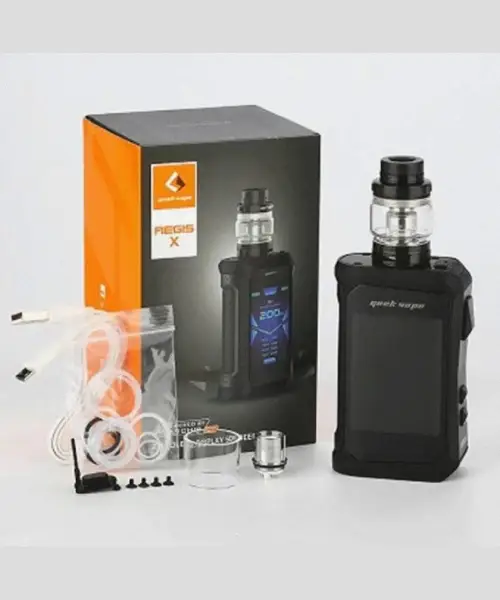
An electric dab rig, often shortened to e-rig, refers to a powered category rather than a single technical standard. Different devices may use different heating elements, controls, batteries, and proprietary components. Marketing terms such as smart, precise, or premium do not substitute for independent electrical-safety evidence. Rechargeable products introduce additional concerns, including damaged cells, overheating, and disposal. A manufacturer may specify safety certifications or warnings, but these should be checked rather than assumed. Importantly, electronic temperature displays or automated features do not eliminate the health risks associated with inhaling cannabis aerosols.
Terminology check
When a phrase is used differently by two sources, read the full description before assuming the same thing is being discussed. A news report may use a broad category, whereas a retailer may use a narrow trade name. Confusing the two can lead to mistaken conclusions about safety alerts or legal obligations.
California context
California’s regulatory framework is not identical to federal law or to the laws of neighboring states. A search result may be written for a different jurisdiction. Verify current requirements through the California Department of Cannabis Control rather than relying on old forum discussions.
Portable devices
Topic focus: portable dab rig terminology.
Portable dab rig is a descriptive phrase used for compact equipment. Portability can change how products are packaged, transported, stored, and exposed to accidental damage. Compact devices may combine materials such as glass, plastic, silicone, and metal. Each material has different physical properties, and a product may contain components that are difficult to identify from a photo. The word portable should not be treated as evidence of discretion, suitability, or lower risk. For families and shared spaces, the most important general consideration is preventing access by children and pets and keeping potentially hazardous materials secured.
Evidence check
Ask whether the source is making a factual claim, reporting a regulation, or expressing a preference. A preference is not laboratory evidence. Even a technical-sounding statement may be unsupported if no method, test standard, or relevant document is identified.
What not to infer
Do not treat a familiar brand name, a polished photograph, or a favorable online review as proof that an item has been independently tested. Appearance can support a description of design, but it cannot establish chemical composition or regulatory compliance.
Materials and surfaces
Topic focus: ceramic, quartz, glass, metal, silicone.
Quartz, ceramic, glass, metal, and silicone appear frequently in dab rig descriptions. Each name identifies a broad family of materials with many grades and formulations. For example, ceramic is not one uniform substance, and metal alloys differ in composition. Materials can be affected by heat, repeated use, manufacturing quality, and contamination. Without reliable technical documentation, consumers cannot infer the safety of a component from its color or finish. Claims such as medical grade, food grade, and laboratory quality should be supported by a clear standard and relevant evidence. Material comparisons are useful for understanding construction, but they are not a substitute for toxicological research.
Public-health context
Cannabis-related information should account for the possibility of intoxication, accidental exposure, and respiratory concerns. Health effects depend on the substance and the individual, and not every risk can be identified from a label. Adolescents should avoid cannabis products.
A question worth asking
What exact evidence would support the claim being made? For a material claim, that may mean a documented specification; for a legal claim, a current rule; for a health claim, reliable scientific research. If the answer is unclear, the claim should remain uncertain.
Understanding accessories
Topic focus: quartz banger and dab tool vocabulary.
Accessories may be described as a quartz banger, cap, insert, tool, stand, or mat. These words help readers understand how a catalog groups different objects; they are not universal engineering definitions. Some accessories may be proprietary, and apparent visual similarity does not demonstrate compatibility. A product photograph can omit dimensions, materials, warnings, and manufacturing information. Readers should not assume that combining unrelated components is safe. The educational value of this terminology is in recognizing what a description is talking about and spotting vague claims. It is not necessary to experiment with devices to understand the language.
California context
California’s regulatory framework is not identical to federal law or to the laws of neighboring states. A search result may be written for a different jurisdiction. Verify current requirements through the California Department of Cannabis Control rather than relying on old forum discussions.
Terminology check
When a phrase is used differently by two sources, read the full description before assuming the same thing is being discussed. A news report may use a broad category, whereas a retailer may use a narrow trade name. Confusing the two can lead to mistaken conclusions about safety alerts or legal obligations.
Concentrate appearance
Topic focus: wax, shatter, budder, crumble, resin, and rosin.
Words such as wax, shatter, budder, crumble, resin, and rosin are often used to describe concentrate categories. Texture alone cannot verify chemical composition, origin, contaminants, or strength. Different producers may use the same label for products made under different processes or conditions. A visually clear extract is not necessarily pure, and a dark extract is not necessarily contaminated. The same caution applies to fragrance, consistency, and packaging aesthetics. Independent analytical results, where required and legitimately available, are more informative than appearance. These terms should be understood as descriptions rather than endorsements.
What not to infer
Do not treat a familiar brand name, a polished photograph, or a favorable online review as proof that an item has been independently tested. Appearance can support a description of design, but it cannot establish chemical composition or regulatory compliance.
Evidence check
Ask whether the source is making a factual claim, reporting a regulation, or expressing a preference. A preference is not laboratory evidence. Even a technical-sounding statement may be unsupported if no method, test standard, or relevant document is identified.
THC potency
Topic focus: why concentration changes the risk discussion.
Concentrates can contain substantial amounts of THC. High-potency exposure may increase the likelihood of unwanted effects such as impaired attention, dizziness, anxiety, and other adverse reactions. Adolescents are especially vulnerable to risks involving brain development, and avoiding cannabis use is the safest course for young people. Product descriptions that focus only on percentage strength leave out important health context. A single laboratory percentage does not predict an individual response, and labels may be inaccurate. Medical concerns should be discussed with a qualified clinician rather than resolved through online product reviews or social media anecdotes.
A question worth asking
What exact evidence would support the claim being made? For a material claim, that may mean a documented specification; for a legal claim, a current rule; for a health claim, reliable scientific research. If the answer is unclear, the claim should remain uncertain.
Public-health context
Cannabis-related information should account for the possibility of intoxication, accidental exposure, and respiratory concerns. Health effects depend on the substance and the individual, and not every risk can be identified from a label. Adolescents should avoid cannabis products.
CBD and THC
Topic focus: differences between cannabinoid labels.
CBD and THC are different cannabinoids, and their names are sometimes combined in marketing phrases. THC can produce intoxication, while CBD is not generally intoxicating in the same way. Neither term guarantees that a product is free from unwanted effects or interactions. A CBD label does not establish that THC is absent, and a product described as hemp-derived is not automatically permitted under every state rule. Some CBD products may contain undisclosed ingredients or inaccurate cannabinoid amounts. The distinction matters for understanding research, legal classification, and testing—not for assuming that inhalation is harmless.
Terminology check
When a phrase is used differently by two sources, read the full description before assuming the same thing is being discussed. A news report may use a broad category, whereas a retailer may use a narrow trade name. Confusing the two can lead to mistaken conclusions about safety alerts or legal obligations.
California context
California’s regulatory framework is not identical to federal law or to the laws of neighboring states. A search result may be written for a different jurisdiction. Verify current requirements through the California Department of Cannabis Control rather than relying on old forum discussions.
Delta-8 and related terms
Topic focus: delta-8, delta-9, and other cannabinoids.
Delta-8 THC and delta-9 THC are related but distinct compounds. Retail descriptions may also mention THCA, HHC, or other cannabinoids, each raising separate questions about identity, testing, and regulation. The legal treatment of a compound may depend on its source, formulation, concentration, and jurisdiction. Claims that one cannabinoid is automatically legal everywhere are unreliable. Product names can lag behind changes in law, and online marketplaces may use inconsistent language. For readers interested in terminology, the important lesson is that a familiar acronym is not proof of regulatory approval, safety, or product consistency.
Evidence check
Ask whether the source is making a factual claim, reporting a regulation, or expressing a preference. A preference is not laboratory evidence. Even a technical-sounding statement may be unsupported if no method, test standard, or relevant document is identified.
What not to infer
Do not treat a familiar brand name, a polished photograph, or a favorable online review as proof that an item has been independently tested. Appearance can support a description of design, but it cannot establish chemical composition or regulatory compliance.
Testing basics
Topic focus: what a certificate of analysis can and cannot show.
A certificate of analysis, often abbreviated COA, is a laboratory document reporting results for specified samples and tests. It may cover cannabinoid content, pesticides, solvents, heavy metals, or microbial contaminants, depending on the jurisdiction and test panel. A COA should identify the sample or batch, the laboratory, and the relevant date. However, a certificate for one batch does not validate every product with the same brand name. Readers should also understand that a laboratory report is not a guarantee of harmlessness. Testing requirements and permitted limits vary, and some risks of inhalation are not resolved by ordinary compliance tests.
Public-health context
Cannabis-related information should account for the possibility of intoxication, accidental exposure, and respiratory concerns. Health effects depend on the substance and the individual, and not every risk can be identified from a label. Adolescents should avoid cannabis products.
A question worth asking
What exact evidence would support the claim being made? For a material claim, that may mean a documented specification; for a legal claim, a current rule; for a health claim, reliable scientific research. If the answer is unclear, the claim should remain uncertain.
Counterfeit concerns
Topic focus: packaging and unsupported authenticity claims.
Counterfeit and misrepresented cannabis products can create significant uncertainty about ingredients and origin. Packaging can be copied, and a QR code may lead to an unrelated or misleading page. Unusually polished design does not prove authenticity. A label claiming to be lab tested is meaningful only if the underlying documentation is legitimate and relevant. Public-health authorities have warned about unregulated THC vaping products, particularly in connection with serious lung injury outbreaks. Readers should avoid interpreting social-media popularity, price, or packaging style as safety indicators. When a product cannot be reliably identified, its contents and associated risks are uncertain.
California context
California’s regulatory framework is not identical to federal law or to the laws of neighboring states. A search result may be written for a different jurisdiction. Verify current requirements through the California Department of Cannabis Control rather than relying on old forum discussions.
Terminology check
When a phrase is used differently by two sources, read the full description before assuming the same thing is being discussed. A news report may use a broad category, whereas a retailer may use a narrow trade name. Confusing the two can lead to mistaken conclusions about safety alerts or legal obligations.
The 2019 lung injury outbreak
Topic focus: EVALI and vitamin E acetate.
The United States experienced an outbreak of e-cigarette or vaping product use-associated lung injury, known as EVALI. Investigations linked many cases to THC-containing vaping products from informal sources and identified vitamin E acetate as strongly associated with the outbreak. This history demonstrates why apparently similar products may have very different risk profiles. It does not mean that products without vitamin E acetate are risk-free. Inhaling aerosols can expose the lungs to other harmful substances, and long-term outcomes remain an area of research. CDC and FDA information should take precedence over claims in advertising copy.
What not to infer
Do not treat a familiar brand name, a polished photograph, or a favorable online review as proof that an item has been independently tested. Appearance can support a description of design, but it cannot establish chemical composition or regulatory compliance.
Evidence check
Ask whether the source is making a factual claim, reporting a regulation, or expressing a preference. A preference is not laboratory evidence. Even a technical-sounding statement may be unsupported if no method, test standard, or relevant document is identified.
For further public-health information, see the CDC’s vaping health information and FDA updates on vaping-related lung injuries.
Heating and aerosols
Topic focus: why aerosol exposure matters.
Heating substances can change their chemical composition and create an aerosol containing particles and potentially harmful compounds. The precise emissions depend on many factors, including material formulation, temperature, device construction, and contamination. It is therefore misleading to describe inhaled concentrate aerosols as simply water vapor. Even where an extract has passed a limited set of laboratory tests, that does not fully characterize what may be inhaled after heating. Public-health information should distinguish product-content testing from emissions testing. People with respiratory symptoms or concerns should seek medical guidance rather than treating product marketing as clinical advice.
A question worth asking
What exact evidence would support the claim being made? For a material claim, that may mean a documented specification; for a legal claim, a current rule; for a health claim, reliable scientific research. If the answer is unclear, the claim should remain uncertain.
Public-health context
Cannabis-related information should account for the possibility of intoxication, accidental exposure, and respiratory concerns. Health effects depend on the substance and the individual, and not every risk can be identified from a label. Adolescents should avoid cannabis products.
Battery risks
Topic focus: lithium-ion safety and electronic devices.
Rechargeable electronic devices may contain lithium-ion batteries, which can overheat or fail when damaged, defective, or exposed to inappropriate conditions. Warning signs can include unusual heat, swelling, leaking, or visible damage. Do not continue using or charging a visibly damaged device. Avoid modifying battery assemblies or combining unverified parts. General electrical safety advice includes following the manufacturer’s documented warnings and keeping damaged products away from combustible materials while seeking appropriate disposal guidance. These precautions address fire and injury risks; they do not make cannabis vaping medically safe.
Terminology check
When a phrase is used differently by two sources, read the full description before assuming the same thing is being discussed. A news report may use a broad category, whereas a retailer may use a narrow trade name. Confusing the two can lead to mistaken conclusions about safety alerts or legal obligations.
California context
California’s regulatory framework is not identical to federal law or to the laws of neighboring states. A search result may be written for a different jurisdiction. Verify current requirements through the California Department of Cannabis Control rather than relying on old forum discussions.
Fire and burn hazards
Topic focus: thermal safety around heated equipment.
Heated equipment can cause burns and ignite nearby combustible materials. Glass and metal surfaces may retain heat even when they no longer look hot. Electrical components can also create hazards if they are defective or damaged. Safe household storage means preventing unsupervised access by children and keeping potentially hazardous equipment away from clutter and flammable objects. If a device appears damaged, do not attempt improvised repairs. Local fire-safety guidance and manufacturer notices are more reliable than informal videos. The goal of this section is to recognize hazards and reduce accidental exposure, not to explain operation.
Evidence check
Ask whether the source is making a factual claim, reporting a regulation, or expressing a preference. A preference is not laboratory evidence. Even a technical-sounding statement may be unsupported if no method, test standard, or relevant document is identified.
What not to infer
Do not treat a familiar brand name, a polished photograph, or a favorable online review as proof that an item has been independently tested. Appearance can support a description of design, but it cannot establish chemical composition or regulatory compliance.
Storage in shared spaces
Topic focus: protecting children and pets.
Cannabis concentrates can be especially concerning in homes where children or pets may encounter them. High concentrations and unfamiliar packaging may increase the consequences of accidental exposure. Products should be kept securely out of reach, in their original labeled containers when applicable, and separate from ordinary food and household items. Packaging that resembles sweets or snacks is particularly problematic. If accidental exposure is suspected, contact an appropriate poison control service or emergency medical professional promptly. Do not wait for symptoms to become severe before seeking guidance. Household safety is a more important consideration than marketing claims about convenience.
Public-health context
Cannabis-related information should account for the possibility of intoxication, accidental exposure, and respiratory concerns. Health effects depend on the substance and the individual, and not every risk can be identified from a label. Adolescents should avoid cannabis products.
A question worth asking
What exact evidence would support the claim being made? For a material claim, that may mean a documented specification; for a legal claim, a current rule; for a health claim, reliable scientific research. If the answer is unclear, the claim should remain uncertain.
California law overview
Topic focus: regulated cannabis and adult-use rules.
California has a regulated cannabis system, but that does not mean every product advertised online is lawful or that every retailer may sell cannabis. State licensing, product type, testing, labeling, local rules, and age restrictions can all matter. Adult-use cannabis is generally limited to people 21 and older, with separate medical provisions under applicable law. Retail businesses selling tobacco or accessories should not be assumed to hold a cannabis retail license. The existence of a website, a storefront, or a smoke-shop listing does not establish authorization to sell THC products. Readers should consult the California Department of Cannabis Control for current official information.
California context
California’s regulatory framework is not identical to federal law or to the laws of neighboring states. A search result may be written for a different jurisdiction. Verify current requirements through the California Department of Cannabis Control rather than relying on old forum discussions.
Terminology check
When a phrase is used differently by two sources, read the full description before assuming the same thing is being discussed. A news report may use a broad category, whereas a retailer may use a narrow trade name. Confusing the two can lead to mistaken conclusions about safety alerts or legal obligations.
See the California Department of Cannabis Control for current state rules. The Sal’s age-verification policy describes the website’s stated age requirements.
Age verification
Topic focus: why age restrictions are important.
Age-verification rules protect minors and are part of a broader regulatory framework for tobacco, nicotine, and cannabis products. Different categories may be governed by different laws, and age restrictions can apply even when a product is marketed as hemp-derived. An age-verification policy explains a business process; it does not independently confirm authorization to sell every controlled product category. Sal’s Tobacco & More publishes an age-verification policy that readers can consult for its stated approach. For any legal question, current state and local rules should take precedence over general website copy.
What not to infer
Do not treat a familiar brand name, a polished photograph, or a favorable online review as proof that an item has been independently tested. Appearance can support a description of design, but it cannot establish chemical composition or regulatory compliance.
Evidence check
Ask whether the source is making a factual claim, reporting a regulation, or expressing a preference. A preference is not laboratory evidence. Even a technical-sounding statement may be unsupported if no method, test standard, or relevant document is identified.
Label interpretation
Topic focus: reading ingredient and warning statements.
A responsible informational discussion of labels separates what is stated from what is independently verified. Ingredient names, batch numbers, cannabinoid percentages, laboratory references, and health warnings serve different purposes. Missing information is a reason for uncertainty, not an invitation to guess. Labels may also use abbreviations or claims that have no standardized meaning. Product descriptions should avoid promising medical benefits or implying that an extract is free from risk. Even where the label meets a particular regulation, readers should understand that compliance and clinical safety are not identical concepts.
A question worth asking
What exact evidence would support the claim being made? For a material claim, that may mean a documented specification; for a legal claim, a current rule; for a health claim, reliable scientific research. If the answer is unclear, the claim should remain uncertain.
Public-health context
Cannabis-related information should account for the possibility of intoxication, accidental exposure, and respiratory concerns. Health effects depend on the substance and the individual, and not every risk can be identified from a label. Adolescents should avoid cannabis products.
Medical claims
Topic focus: why pain, anxiety, and sleep promises need evidence.
Online articles frequently connect concentrates or cannabinoids to pain, anxiety, sleep, and other health concerns. Such claims should not be accepted merely because a product description repeats them. Research quality varies, and inhaled cannabis products are not interchangeable with approved medicines. Cannabis can also interact with other medications and may worsen some symptoms. People seeking care for a medical condition should discuss evidence-based options with a qualified healthcare professional. A retailer’s educational page should distinguish established facts, emerging research, and unsupported advertising claims. The absence of a warning in a search snippet does not establish safety.
Terminology check
When a phrase is used differently by two sources, read the full description before assuming the same thing is being discussed. A news report may use a broad category, whereas a retailer may use a narrow trade name. Confusing the two can lead to mistaken conclusions about safety alerts or legal obligations.
California context
California’s regulatory framework is not identical to federal law or to the laws of neighboring states. A search result may be written for a different jurisdiction. Verify current requirements through the California Department of Cannabis Control rather than relying on old forum discussions.
Misleading comparisons
Topic focus: why ranking lists can be unreliable.
Searches for best dab rigs or best electric dab rigs often return rankings based on affiliate commissions, sponsored placements, or subjective impressions. Such lists may not explain their methods or independently verify technical claims. Rankings also tend to combine unrelated criteria such as appearance, portability, brand recognition, and cost. None of those criteria demonstrates the health safety of inhaled concentrates. An educational comparison should instead clarify which category is being described and identify what evidence is missing. This helps readers recognize the limits of marketing language without recommending particular age-restricted products.
Evidence check
Ask whether the source is making a factual claim, reporting a regulation, or expressing a preference. A preference is not laboratory evidence. Even a technical-sounding statement may be unsupported if no method, test standard, or relevant document is identified.
What not to infer
Do not treat a familiar brand name, a polished photograph, or a favorable online review as proof that an item has been independently tested. Appearance can support a description of design, but it cannot establish chemical composition or regulatory compliance.
Environmental questions
Topic focus: battery and electronic waste.
Electronic devices and batteries should not automatically be treated as ordinary household trash. Lithium-ion batteries can cause fires in waste streams when crushed or damaged. Disposal options depend on local collection rules and whether the item contains hazardous residue. Glass, silicone, and mixed-material components may also require different handling. Readers can consult local waste authorities for current requirements. Environmental claims such as recyclable or eco-friendly should be supported by a real collection pathway, not simply printed on packaging. The safest disposal approach is one that follows local rules and avoids exposing waste workers or children to hazardous components.
Public-health context
Cannabis-related information should account for the possibility of intoxication, accidental exposure, and respiratory concerns. Health effects depend on the substance and the individual, and not every risk can be identified from a label. Adolescents should avoid cannabis products.
A question worth asking
What exact evidence would support the claim being made? For a material claim, that may mean a documented specification; for a legal claim, a current rule; for a health claim, reliable scientific research. If the answer is unclear, the claim should remain uncertain.
Product recalls
Topic focus: where safety notices come from.
Safety recalls, consumer alerts, and enforcement notices can reveal problems that are not obvious from a product description. Relevant agencies may include the Consumer Product Safety Commission for certain devices, the FDA for particular product categories, and state cannabis regulators. A lack of publicly visible recalls does not prove a product is safe. Similarly, a manufacturer’s voluntary notice may cover only specified models or batches. Readers should verify the exact scope of a warning using the issuing agency’s official information. This is more reliable than reposted screenshots or vague claims that a whole product category has been cleared.
California context
California’s regulatory framework is not identical to federal law or to the laws of neighboring states. A search result may be written for a different jurisdiction. Verify current requirements through the California Department of Cannabis Control rather than relying on old forum discussions.
Terminology check
When a phrase is used differently by two sources, read the full description before assuming the same thing is being discussed. A news report may use a broad category, whereas a retailer may use a narrow trade name. Confusing the two can lead to mistaken conclusions about safety alerts or legal obligations.
Online search intent
Topic focus: what near me and online queries really mean.
Search phrases such as dab rigs near me, headshop, and smoke shop online often signal a desire for local information, but the results may mix accessories, tobacco products, and regulated cannabis categories. Search engines do not determine legal authorization. Business listings may be outdated, and a category tag does not confirm what is stocked or legally offered. For neutral local information, a store’s contact details, published policies, and general business description are more useful than speculative inventory claims. Sal’s Tobacco & More has informational pages about smoke shops and its regional presence that can help readers understand the business context.
What not to infer
Do not treat a familiar brand name, a polished photograph, or a favorable online review as proof that an item has been independently tested. Appearance can support a description of design, but it cannot establish chemical composition or regulatory compliance.
Evidence check
Ask whether the source is making a factual claim, reporting a regulation, or expressing a preference. A preference is not laboratory evidence. Even a technical-sounding statement may be unsupported if no method, test standard, or relevant document is identified.
Business background
Topic focus: Sal’s Tobacco & More in Central California.
Sal’s Tobacco & More describes itself as a Central California smoke-shop business founded in 2009, with locations serving Dinuba and Hanford. Its published materials include general information about the business, contact options, and age-verification rules. This article does not verify current stock or licensing for regulated cannabis sales at any location. Readers should not infer that a mention of concentrates or device terminology confirms product availability. For store-specific questions, the appropriate reference is the business’s own contact page and its current policies. Local law and applicable licenses remain separate considerations from the broader educational content on this page.
A question worth asking
What exact evidence would support the claim being made? For a material claim, that may mean a documented specification; for a legal claim, a current rule; for a health claim, reliable scientific research. If the answer is unclear, the claim should remain uncertain.
Public-health context
Cannabis-related information should account for the possibility of intoxication, accidental exposure, and respiratory concerns. Health effects depend on the substance and the individual, and not every risk can be identified from a label. Adolescents should avoid cannabis products.
For additional site context, read Smoke Shop Near Me, Vape Shop Near Me, and the site’s About Us page.
How to evaluate sources
Topic focus: government guidance, research, and retailer content.
Not all sources answer the same question. Government agencies are useful for legal requirements, public-health alerts, and official warnings. Peer-reviewed research can examine biological effects but may not apply to every product formulation. Retailer articles can explain terminology and policies but may have commercial incentives. User reviews describe individual experiences and rarely provide independent laboratory evidence. A sound reading approach compares claims across sources, checks dates, and separates verified facts from marketing language. Where evidence is limited, uncertainty should be stated plainly rather than filled with confident assumptions.
Terminology check
When a phrase is used differently by two sources, read the full description before assuming the same thing is being discussed. A news report may use a broad category, whereas a retailer may use a narrow trade name. Confusing the two can lead to mistaken conclusions about safety alerts or legal obligations.
California context
California’s regulatory framework is not identical to federal law or to the laws of neighboring states. A search result may be written for a different jurisdiction. Verify current requirements through the California Department of Cannabis Control rather than relying on old forum discussions.
Use the Contact Us page for business questions, and consult the published Age Verification Policy. These links do not establish cannabis licensing or stock availability.
Frequently confused terms
Topic focus: concentrate, cartridge, edible, and flower.
Cannabis flower, concentrates, cartridges, and edibles are distinct product categories. Flower refers to plant material; concentrates are more concentrated preparations; cartridges are containers associated with certain vaporization systems; and edibles are ingestible products. Their risks, regulations, and routes of exposure differ. A cartridge may contain a concentrate, but the words are not synonyms. Likewise, an accessory can be sold independently of any controlled substance. Understanding these distinctions helps readers interpret news reports, safety warnings, and regulations without mistaking one product category for another.
Evidence check
Ask whether the source is making a factual claim, reporting a regulation, or expressing a preference. A preference is not laboratory evidence. Even a technical-sounding statement may be unsupported if no method, test standard, or relevant document is identified.
What not to infer
Do not treat a familiar brand name, a polished photograph, or a favorable online review as proof that an item has been independently tested. Appearance can support a description of design, but it cannot establish chemical composition or regulatory compliance.
Key takeaways
Topic focus: a safety-first summary.
Dab rigs and concentrates are broad categories, not proof of product quality or safety. Terms such as e-rig, wax pen, quartz banger, resin, and rosin are useful for understanding descriptions but cannot verify contents or legality. Cannabis concentrates can be high in THC, and inhaled aerosols carry health risks. Batteries and heated components introduce separate electrical and burn hazards. In California, regulated cannabis sales are subject to specific requirements that should be verified through official sources. For young people, avoiding cannabis use is the safest choice. Readers should prioritize credible public-health guidance and accurate labeling over rankings or promotional claims.
Public-health context
Cannabis-related information should account for the possibility of intoxication, accidental exposure, and respiratory concerns. Health effects depend on the substance and the individual, and not every risk can be identified from a label. Adolescents should avoid cannabis products.
A question worth asking
What exact evidence would support the claim being made? For a material claim, that may mean a documented specification; for a legal claim, a current rule; for a health claim, reliable scientific research. If the answer is unclear, the claim should remain uncertain.
Related educational reading: Vape Carts Explained, THC Vape Oil, CBD Near Me, Delta-8 Near Me, and Battery Safety and Device Terminology.
Frequently asked questions about dab rigs and concentrates
These short answers clarify common informational searches without giving instructions for obtaining or using age-restricted products.
What is a dab rig?
It is a device category associated with cannabis concentrates. The term alone does not identify a substance, guarantee safety, or establish legality.
What are dab rigs used for?
They are commonly associated with concentrated cannabis products. This guide explains the terminology without providing consumption instructions.
What is an electric dab rig?
An e-rig is a powered device category. Electronic controls do not remove aerosol-related health risks.
Are dab rigs the same as vape pens?
No. The terms can overlap in marketing, but they refer to different device categories and formats.
What is a dab pen?
A dab pen is a portable device term often associated with concentrates. Exact construction and contents vary.
What is a wax pen?
Wax pen is another marketing and product-category term. It is not a recognized safety certification.
What does e-rig mean?
E-rig is shorthand for electronic rig, generally a battery-powered device category.
What are cannabis concentrates?
They are cannabis preparations containing relatively concentrated plant compounds, sometimes including high THC levels.
What is shatter?
Shatter is a descriptive term for a concentrate appearance or texture; it does not certify purity.
What is rosin?
Rosin is a term used for certain cannabis extracts; its name does not establish testing or safety.
What is resin?
Resin can describe several different substances and product categories, so context matters.
Are concentrates stronger than flower?
Some concentrates contain substantially higher THC concentrations than typical flower, though products vary.
Is higher THC always better?
No. Higher potency may increase risks and should not be treated as a quality measure.
What is a quartz banger?
It is an accessory term associated with certain rig designs, not a safety endorsement.
Is glass automatically safer?
No. Glass quality, manufacturing, breakage, heat, and aerosol exposure raise different concerns.
What is a ceramic dab rig?
It is a description of a device or component material, not a universal performance or safety standard.
What does 510 mean?
It is a connection-style term often seen in vaping product descriptions, not a certification of safety.
Can a battery overheat?
Yes. Lithium-ion batteries can fail, particularly when damaged or defective.
What is EVALI?
It is the name of a serious vaping-associated lung injury outbreak investigated by US public-health authorities.
Is vitamin E acetate safe to inhale?
It was strongly linked to EVALI and should not be assumed safe for inhalation.
Can a lab report prove a product is harmless?
No. Testing addresses specified samples and hazards; it does not eliminate all risks.
Are dab rigs legal in California?
Legal questions depend on the item, circumstances, and current law. Regulated cannabis sales have separate licensing and age requirements.
Can minors buy cannabis concentrates?
California adult-use cannabis is generally restricted to people 21 and older, with separate medical provisions.
Does a smoke shop automatically sell legal THC products?
No. A smoke-shop business listing does not establish cannabis retail authorization.
Are online product reviews reliable?
They can describe opinions but do not independently verify composition, safety, or regulatory compliance.
How should batteries be discarded?
Follow local household hazardous-waste or battery collection rules rather than placing damaged cells in ordinary trash.
What if a child accidentally encounters concentrates?
Seek immediate guidance from poison control or an emergency medical professional.
Do CBD and THC mean the same thing?
No. They are different cannabinoids with different effects and regulatory considerations.
Where can I find official California information?
The California Department of Cannabis Control publishes licensing, safety, and regulatory information.
Where can I read Sal’s policies?
The website publishes About Us, Age Verification Policy, and Contact Us pages.
Helpful educational links
Read the site’s About Us, Age Verification Policy, Contact Us, and Refund and Returns Policy. For related terminology, see Vape Carts Explained and THC Vape Oil.