

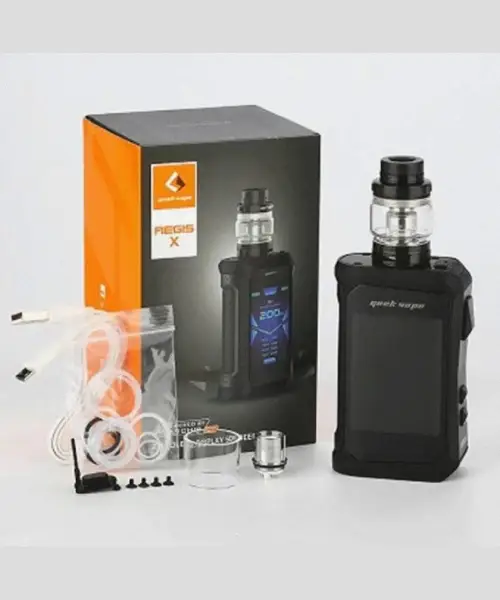
What does “best disposable vape brands” really mean?
Search results frequently use the word best as if it were an objective finding. In reality, rankings can combine subjective taste, advertising revenue, retail popularity, and product specifications. None of these alone establishes safety. A responsible comparison starts by identifying what evidence is available and what remains unknown.
Disposable electronic cigarettes also change quickly. A brand name may be applied to several generations of products with different batteries, reservoirs, labeling, or distribution channels. A review written for one version cannot automatically describe another. The comparison unit should be an identifiable model and batch, not merely a logo.
This article compares the kinds of claims found across the category, rather than awarding a winner. It does not recommend purchasing or using nicotine or cannabis products. For people who do not vape, avoiding exposure is the safest option.
Why brand popularity is not a safety rating
A well-known name can attract online attention because of advertising, social media trends, or widespread distribution. Search volume reflects curiosity, not independent verification of a product's chemical composition or engineering quality. A highly searched disposable vape may still have unresolved questions about authorization or authenticity.
Likewise, an unfamiliar brand is not automatically unsafe solely because it has fewer reviews. The useful distinction is between documented facts and unsupported claims. Manufacturers may publish product identifiers, warnings, recall notices, or testing information, but the presence of a website does not guarantee that every claim has been verified.
For readers of Sal’s Tobacco & More, the aim is to interpret comparisons critically. Ask whether a review distinguishes marketing copy from regulatory information, and whether it explains its limitations instead of presenting subjective impressions as universal truths.
Disposable devices versus vape pens
A disposable vape is generally designed around a limited product lifecycle, whereas vape pen describes a shape and broad hardware category. Some vape pens have replaceable components; others are sealed. The categories overlap in ordinary speech, which is why searches for disposable vape pen often return very different products.
A pen-like shape does not reveal the type of battery, formulation, or manufacturing controls. The same marketing term may be used for nicotine products, CBD formulations, or THC products, even though the associated health and legal questions differ. A useful comparison therefore identifies the substance as well as the hardware.
Claims about compact size, simplicity, or portability are not evidence of reduced risk. The aerosol produced by electronic cigarettes can contain nicotine and other harmful substances, while batteries and liquid reservoirs introduce separate hazards.
Disposable vapes versus pod systems
Vape pods are small reservoirs used with pod-system devices. Some pods are prefilled and sealed, while others are marketed as refillable. Disposable products may contain a reservoir built into a single housing. The difference matters for understanding packaging, waste streams, and the limits of product descriptions.
Search phrases such as vape pods system, refillable pods vape, and disposable vape pods are often mixed together by retailers and search engines. They should not be treated as equivalent. A refillable label describes a design feature, not a safety certification or evidence that all liquids are suitable.
When comparing brand claims, the most useful information is clear identification of the device type and the substance it contains. Vague phrases such as advanced pod technology are less informative than transparent product documentation.
Cartridges are a different category
Vape carts is common shorthand for cartridges. A cartridge may be designed to connect to a separate electrical power source, while a disposable device may contain the reservoir and battery in one housing. This distinction helps explain why a search for vape carts can return results that are not disposable devices at all.
Some cartridge searches concern nicotine; others concern THC vape oil or CBD vape oil. The same word therefore covers products with different chemical and regulatory profiles. Product titles should not be used as substitutes for ingredient disclosure, accurate labeling, or official regulatory information.
A connector style, including terminology such as 510, does not prove that two components are electrically compatible. This guide does not provide assembly instructions, pairing advice, or recommendations for age-restricted devices.
Brand names and model names can be misleading
A recognizable brand may sell several models with similar packaging. Model names can be revised without an obvious change to the outer design, and online listings may mix old photographs with new specifications. A review that fails to identify the exact model may be too vague to support its conclusions.
Names can also be copied by counterfeiters. The presence of a familiar logo is not proof of authenticity, just as an unfamiliar logo is not proof of illegality. Traceability, regulatory status, manufacturer information, and credible safety notices are more meaningful than branding alone.
A comparison article should avoid inventing specifications or assuming that a company offers particular products in California. Sal’s Tobacco & More's location details are provided here for local context only, not as evidence of stock or endorsement.
Understanding puff-count advertising
Puff count is a frequently advertised number intended to suggest how long a disposable device might last. It is not a standardized guarantee of real-world duration. Testing methods, puff length, device behavior, and manufacturing variation can all affect how such figures are interpreted.
A product claiming a very high puff count is not necessarily better engineered, safer, or less wasteful. The number says little about aerosol chemistry, nicotine exposure, battery reliability, or the accuracy of other label statements. It should be treated as a marketing metric unless a transparent testing method is supplied.
Our separate educational article on how long disposable vapes last explains why advertised duration differs from actual experience. This comparison does not estimate usage schedules or suggest ways to prolong nicotine or cannabis exposure.
Battery capacity and safety claims
Battery capacity is often presented as a competitive specification, but capacity alone does not establish electrical safety. Cell quality, protective circuitry, manufacturing consistency, and physical damage all matter. Lithium-ion batteries can fail, sometimes with serious consequences.
Terms such as smart charging, high capacity, or intelligent protection may appear on packaging. Without meaningful documentation, these remain marketing claims. A display screen or indicator light is not an independent safety test. A device that looks modern can still contain a defective battery.
Unusual heat, swelling, deformation, leakage, smoke, or a chemical odor can signal a serious problem. Damaged devices should not be dismantled or improvised upon. If a battery is smoking or burning, move away and contact emergency services.
What rechargeable disposable means
Rechargeable describes a battery feature; disposable describes the intended lifecycle. A product can be called disposable while containing a rechargeable lithium-ion cell. This combination is common enough to create confusion about environmental impact and waste handling.
The presence of a charging port does not mean that every device can be charged in the same way, or that it is safe to use an unidentified power source. Manufacturer-specific electrical requirements vary. Generic online instructions are not reliable substitutes for safety documentation.
From an environmental perspective, rechargeable disposable products can still create a stream of electronic waste containing batteries, plastics, metals, and residual liquids. Convenience-oriented branding does not erase these costs.
Flavor rankings and their limitations
Flavor descriptions can dominate disposable vape comparisons, but taste is subjective and does not demonstrate product safety. A pleasant smell or sweet label may make a product seem familiar, even though the substance is being heated and inhaled rather than eaten.
Ingredients considered suitable for food are not necessarily safe when aerosolized. The chemistry of heated formulations can differ from the chemistry of the liquid in its original container. Independent public-health information is more useful than a ranking that equates flavor appeal with quality.
Flavor-focused marketing is particularly concerning when it attracts young people. Nicotine addiction and other risks are not removed by fruit, candy, or dessert terminology. This article does not rank flavors or recommend products.
Nicotine strength and dependence
Nicotine content is an important health variable, but a number printed on a label does not reveal the complete exposure associated with a device. Formulation, aerosol production, labeling accuracy, and user behavior can all affect exposure. Nicotine salts are also frequently discussed in pod and disposable categories.
Nicotine is addictive and can affect brain development during adolescence. Dependence may involve cravings, irritability, and difficulty concentrating when exposure stops. Products should not be framed as harmless because they are compact or have familiar flavors.
A comparison that focuses on strength as a selling point can overlook the central health concern. For someone who has never used nicotine, there is no health benefit in starting. Those seeking help with nicotine dependence can consult healthcare professionals and evidence-based cessation services.
What is in e-cigarette aerosol?
Electronic cigarettes produce an aerosol, not simply clean water vapor. Depending on the device and formulation, the aerosol may contain nicotine, volatile organic compounds, metals, fine particles, and other substances. The exact profile varies and cannot be determined from a brand name alone.
A product marketed as premium or clean is not automatically free of harmful emissions. Laboratory tests may measure selected compounds under specific conditions, but a single report rarely answers every question about long-term exposure. Clear limits and methods matter.
Secondhand aerosol can also expose bystanders to substances they did not choose to inhale. A responsible comparison addresses these health considerations instead of concentrating only on packaging and marketing.
CBD vape oil and disposable branding
CBD vape oil is a broad search phrase referring to inhalable formulations associated with cannabidiol. The term oil can be misleading because products intended for inhalation are not equivalent to ordinary edible oils. Ingestible and inhalable products have different exposure considerations.
CBD does not typically produce the same intoxication associated with THC, but it can have adverse effects and interact with medications. Some products have inaccurate labels or contain THC despite marketing that suggests otherwise. Product descriptions cannot replace reliable chemical analysis.
The FDA's approval of a specific prescription CBD medicine does not amount to approval of retail CBD vaping products as treatments for anxiety, pain, or other conditions. Medical claims require evidence, not brand popularity.
THC vape oil and legal differences
THC vape oil refers to formulations containing tetrahydrocannabinol, which can cause intoxication and impair attention, coordination, and judgment. Searches for THC vape pen or THC oil vape may surface disposable products and cartridges, but the wording does not establish legal status or chemical quality.
Cannabis products are regulated differently from ordinary nicotine e-cigarettes. California has a commercial cannabis regulatory framework, and the rules for hemp-derived substances can differ. A generic brand comparison cannot establish that a particular product is legally sold in a given jurisdiction.
Unregulated THC vaping products have been associated with serious health concerns. The safest educational approach is to rely on official regulatory information and avoid treating popularity or online testimonials as evidence of safety.
Product authorization versus product popularity
Regulatory authorization is different from market visibility. In the United States, the FDA regulates tobacco products, including many electronic nicotine delivery systems. The appearance of a brand in a search engine or on a retail shelf does not itself establish FDA authorization.
Claims such as FDA registered, FDA approved, or compliant can be misunderstood. Registration, where applicable, is not the same as authorization for a particular tobacco product to be marketed. Readers should consult the FDA's current official resources rather than trusting a logo on packaging.
Rules can change, and products may be subject to enforcement actions. This article does not assert that any named brand is authorized or prohibited without current, model-specific evidence.
California age restrictions and retail context
California's rules for tobacco and cannabis products include age restrictions and other requirements. The exact rules depend on the product, and federal requirements can also apply. A retailer's age-verification policy is one part of compliance, not proof that every product category is authorized.
For local readers in Dinuba and Hanford, the distinction between business information and product authorization is important. A store address can be verified independently of whether a specific disposable device is stocked or lawful. This article makes no claims about inventory.
Sal’s Tobacco & More provides an Age Verification Policy on its website. Readers should also consult current official California and federal agency guidance when evaluating legal or regulatory statements.
Counterfeit packaging and imitation brands
Counterfeit products can imitate established brands, copying packaging colors, logos, and model names. An attractive box is not evidence that the product originated with the claimed manufacturer. Counterfeits can create uncertainty about ingredients, electrical components, and safety warnings.
Missing manufacturer details, inconsistent batch identifiers, and implausible claims can be warning signs, but no single visual test is conclusive. Some counterfeit products are sophisticated, while legitimate products may have confusing packaging.
A credible comparison should make room for uncertainty. It should not instruct readers to rely on unofficial verification codes, social media posts, or visual similarity as definitive proof of authenticity.
Laboratory reports and certificates of analysis
A certificate of analysis, often abbreviated COA, reports testing results for a sample. Depending on the product, it may address ingredients, contaminants, or cannabinoid content. It should identify the tested sample, methods, and laboratory so that claims can be evaluated.
A laboratory report is not a guarantee that every unit sold under a brand is identical, and it is not medical approval. Testing can also be limited to selected hazards. A product can pass one test while leaving other important questions unanswered.
When comparing brands, transparent evidence is more valuable than vague phrases such as lab tested. Even meaningful testing cannot eliminate the risks associated with inhaling aerosols or becoming dependent on nicotine.
Environmental footprint and electronic waste
Disposable electronic aerosol devices combine materials that do not belong in ordinary household trash. Batteries, circuit boards, plastics, metals, and residual liquids can be difficult to separate. Their small size can conceal a significant waste-management problem.
Lithium-ion batteries may cause fires if damaged in waste trucks or recycling facilities. Residual nicotine or cannabis formulations can create additional exposure concerns. Local hazardous-waste and battery-recycling authorities can provide appropriate disposal guidance.
A brand's sustainability claims should be evaluated against the complete product lifecycle, not just the amount of packaging. Rechargeability does not necessarily make a disposable product environmentally sustainable.
Price comparisons are not value judgments
Disposable vape brand comparisons often use price as a ranking factor. Yet a lower advertised price does not demonstrate product safety, and a higher price does not guarantee better testing or manufacturing. Taxes, local rules, and retail policies can also influence advertised prices.
A claim about value may ignore costs related to dependence, waste, and environmental management. Marketing language can make a device appear inexpensive without considering the wider consequences of nicotine or cannabis exposure.
For that reason, this article does not provide shopping advice, current product prices, or a cheapest-brand ranking. It explains how commercial comparisons can be misleading and why health and regulatory evidence deserve priority.
Review sites, affiliates and sponsored rankings
Many online best-of lists earn revenue through affiliate links, sponsorships, or advertising. This does not automatically make every claim false, but it creates incentives that should be disclosed. A ranking that does not explain its methodology is difficult to evaluate.
Look for clear distinctions between independent measurements and subjective opinions. Does the article identify the product model and testing conditions? Does it acknowledge uncertainty? Does it link to authoritative public-health or regulatory sources? These questions help readers interpret claims without assuming a high score is a safety endorsement.
Social media trends are an especially weak basis for judging health risks. Popular videos may reward novelty, appearance, or dramatic claims rather than accuracy.
Brand-specific search terms in the keyword data
The uploaded keyword files contain searches for vape pods, vape pen, vape carts, CBD vape oil, and THC vape oil, including some brand-related terms. Such terms help explain what people are trying to understand, but they do not supply verified brand specifications or reliable comparative testing.
For example, searches mentioning particular pod brands may be informational, commercial, or ambiguous. Search volume can identify topics that deserve explanation, but it cannot answer whether a device is legally authorized, correctly labeled, or manufactured consistently.
Accordingly, this article uses the uploaded keyword themes as an editorial map rather than inventing rankings. A brand-by-brand leaderboard would require current, model-specific evidence and would still not establish that vaping is safe.
Why the same brand can have different products
Manufacturers sometimes market multiple devices under one brand, including disposables, pod systems, and other formats. Packaging and model names can change across markets or product generations. An assessment of one item should not be generalized to every item bearing the same logo.
Differences in formulation can also matter. A nicotine product and a cannabinoid product may be subject to different rules, even when their hardware looks similar. The contents, label, manufacturer, and jurisdiction all need to be distinguished.
Comparisons that ignore these details can create false confidence. Responsible writing identifies the limits of what is known instead of assigning a single safety score to an entire brand.
How to read a comparison table critically
A table can make complex information easier to scan, but it can also imply certainty that the evidence does not support. Labels such as safest, cleanest, or most reliable need definitions and credible data. Without them, the columns may merely reproduce advertising.
A more useful educational table distinguishes device category, common claims, missing evidence, and health or environmental considerations. This structure helps readers recognize what can be compared fairly and what cannot be concluded.
The table below follows that approach. It is not a buying guide and does not rank products for purchase.
Common myths about disposable brands
One myth is that a well-known brand must be safe. Recognition does not replace evidence. Another is that a higher puff count proves better quality. Puff-count claims do not measure aerosol safety or electrical reliability.
A third myth is that nicotine-free or plant-based labels guarantee harmless aerosol. Heated formulations may still create inhalation risks, and inaccurate labeling is possible. A fourth myth is that a rechargeable disposable is easy to recycle. Mixed materials and embedded batteries complicate disposal.
The best response to these myths is precise language. Separate brand identity from product authorization, device specifications from health outcomes, and marketing promises from independently verifiable facts.
Health information for young people and families
Nicotine exposure is particularly concerning for adolescents because the brain is still developing. Nicotine dependence can arise quickly and affect attention, mood, and learning. Product colors and flavors can make risks seem less visible.
Cannabis exposure can also affect memory, coordination, and judgment. Neither nicotine nor THC vaping should be presented as a harmless activity for young people. Parents, educators, and caregivers can use neutral terminology to discuss risks without repeating promotional claims.
Anyone concerned about nicotine dependence or exposure can seek advice from a healthcare professional. Evidence-based cessation support is more appropriate than experimenting with new vaping products.
What to do about suspected device hazards
Warning signs such as overheating, swelling, smoke, unusual odors, leaking contents, or a damaged casing can indicate an electrical or chemical hazard. A device should not be dismantled or modified to investigate the problem.
Nicotine-containing liquids can be poisonous if swallowed, especially for children. Suspected poisoning requires prompt advice from poison control or emergency services. If a lithium-ion battery is smoking or burning, move away and contact emergency services.
For end-of-life devices, local hazardous-waste authorities can advise on proper disposal. These are safety responses, not troubleshooting instructions for continued vaping.
About Sal’s Tobacco & More
Sal’s Tobacco & More has served Central California communities since 2009. The supplied business information identifies a Dinuba location at 647 W El Monte Way and two Hanford locations at 110 N 11th Ave and 2563 N 11th Ave.
The Dinuba location is listed as open daily from 9 AM to 9 PM. The downtown Hanford location is listed as open Monday through Saturday from 8 AM to 10 PM and Sunday from 8 AM to 9 PM. The north Hanford location is listed as open Monday through Saturday from 9 AM to 10 PM and Sunday from 9 AM to 9 PM. Hours may change.
These details are provided for business context only. This article does not verify current inventory, prices, product authorization, or the availability of any disposable vape brand.
The bottom line on disposable vape comparisons
A responsible comparison of disposable vape brands should begin with the limitations of the evidence. Popularity, flavors, puff counts, prices, and packaging are common marketing dimensions, but they are not substitutes for public-health research or regulatory verification.
Different products can contain nicotine, cannabinoids, or other formulations. Batteries introduce fire and waste risks, while aerosols can expose users and bystanders to harmful substances. These concerns are relevant regardless of the logo printed on a device.
Rather than declaring a winner, this guide explains how to interpret the category critically. Readers can use the linked educational resources to understand terminology, and consult the CDC, FDA, and California authorities for health and regulatory information.
How common disposable vape brand claims compare
This table compares categories of claims, not products for purchase. It separates information that may be described on packaging from questions that remain unanswered without independent evidence.
| Common brand claim | What it may describe | What it does not prove | Responsible interpretation |
|---|---|---|---|
| High puff count | Advertised usage metric | Real-world duration or safety | Testing methods and assumptions matter |
| Rechargeable disposable | Battery feature and intended lifecycle | Recyclability or electrical safety | Battery and waste risks remain |
| Premium flavor | Subjective marketing description | Harmless aerosol | Inhalation risks cannot be inferred from taste |
| Lab tested | Possible testing of selected samples | Complete safety or medical approval | Examine scope, laboratory and traceability |
| Popular brand | Visibility or market awareness | FDA authorization or authenticity | Consult official, product-specific evidence |
| Nicotine free | A formulation claim | Zero inhalation risk or perfect labeling | Other aerosol constituents may matter |
| CBD or THC formulation | Claimed cannabinoid contents | Legal status, purity or health benefit | Regulation and health effects differ by product |
The table deliberately avoids a numbered winner. A ranking would imply a level of comparative evidence not established by the supplied keyword files, which contain search terms and marketing-related queries rather than laboratory or regulatory evaluations.
Frequently asked questions
Which disposable vape brand is best?
There is no universal, evidence-based winner. Online rankings often emphasize subjective preferences and advertising claims. A brand name alone does not establish aerosol safety, battery reliability, legal authorization, or accurate labeling.
Are popular disposable vape brands safer?
Popularity reflects awareness and distribution, not a medical or engineering safety rating. A widely discussed brand can still have model-specific issues or regulatory questions. Reliable conclusions require appropriate evidence.
What is a disposable vape?
It is an electronic aerosol device generally designed for a limited lifecycle. Some products combine a battery, heating element, and reservoir in one housing. The label disposable does not mean environmentally harmless.
What is a disposable vape pen?
This phrase usually describes a pen-shaped disposable electronic aerosol device. It is a broad marketing category, not a technical standard. Similar-looking devices may contain different substances.
Are disposable vapes the same as vape pods?
Not necessarily. A pod is a reservoir used in a pod system, while a disposable device is generally designed around a limited lifecycle. Some marketing terms overlap, so product descriptions need context.
What are vape carts?
Vape carts is shorthand for vape cartridges. Cartridges may be associated with a separate power source and may contain different formulations. The term alone does not establish whether the contents are nicotine, CBD, or THC.
What does 510 mean?
It commonly refers to a threaded connector style. The term does not guarantee that components are electrically compatible or that a product has passed a safety assessment.
Does a higher puff count mean better quality?
No. Puff-count claims can be influenced by testing methods and are not reliable measures of aerosol chemistry, manufacturing consistency, or battery safety. They should not be treated as independent quality scores.
Can a disposable vape be rechargeable?
Yes. Rechargeable describes a battery feature, while disposable describes the intended lifecycle. Products that combine these attributes still create electronic waste and battery-disposal concerns.
Are rechargeable disposables safer?
Rechargeability does not establish safety. Battery quality, protective circuitry, manufacturing, and damage history matter. A charging port or display screen is not evidence of independent testing.
Do flavors affect health risks?
Flavor descriptions do not make aerosol harmless. Some flavoring ingredients have not been adequately evaluated for inhalation, and a pleasant smell does not eliminate nicotine or other potentially harmful constituents.
Are nicotine-free disposable vapes harmless?
No. Nicotine-free labels do not eliminate all inhalation risks, and labeling accuracy can vary. Heated aerosols may contain substances beyond the ingredients emphasized in marketing.
What are nicotine salts?
Nicotine salts are chemical formulations of nicotine used in some vaping liquids. The term does not refer to ordinary table salt. Nicotine remains addictive regardless of the formulation.
Why is nicotine especially risky for teens?
Nicotine can affect the developing adolescent brain and lead to dependence. Young people who do not use nicotine should not begin vaping. Health professionals can help with concerns about exposure or dependence.
Is vape aerosol just water vapor?
No. Electronic cigarettes generally create an aerosol containing tiny droplets or particles. Depending on the product, it may contain nicotine, metals, volatile compounds, and other potentially harmful substances.
Can other people inhale secondhand aerosol?
Yes. Aerosol released into the surrounding air can expose bystanders to substances they did not choose to inhale. Indoor-use restrictions and public-health guidance aim to reduce unwanted exposure.
What is CBD vape oil?
It is a broad term used for inhalable formulations associated with cannabidiol. The phrase does not guarantee purity, medical effectiveness, or suitability for inhalation. CBD can cause adverse effects and interact with medicines.
Is CBD vape oil the same as edible CBD oil?
No. Ingestible and inhalable products can have different formulations and risks. A substance considered acceptable for food use is not automatically safe to heat and inhale.
What is THC vape oil?
It refers broadly to formulations containing tetrahydrocannabinol. THC can impair attention, memory, coordination, and judgment. Legal status and product oversight vary by jurisdiction and formulation.
Are THC disposable vapes regulated in California?
California has a regulated commercial cannabis system, but legal status depends on the particular product and applicable rules. Current guidance from the California Department of Cannabis Control is more reliable than an online listing.
Does FDA registration mean FDA approval?
No. Registration, where applicable, is different from product authorization. A product's appearance in search results or retail marketing does not establish FDA authorization.
Can brand packaging be counterfeit?
Yes. Counterfeit products can copy logos, colors, and model names. Appearance alone cannot reliably confirm authenticity, and counterfeit products may have uncertain ingredients or electrical components.
Does a QR code prove a vape is authentic?
Not necessarily. Codes and websites can be copied or manipulated. A code should not be treated as conclusive proof of origin, product authorization, or chemical safety.
What is a certificate of analysis?
A certificate of analysis describes tests performed on a sample. It should identify the sample and laboratory. It does not prove that every unit sold under a brand is identical or medically safe.
Does lab tested mean risk free?
No. Tests can address selected contaminants or specifications, but they cannot eliminate all risks of aerosol exposure, nicotine dependence, or electrical failure.
Why do lithium-ion batteries matter?
These batteries store significant energy in small spaces. Under adverse conditions they can overheat or fail, sometimes causing fire. Damaged devices require caution and should not be dismantled.
What is thermal runaway?
It is a battery failure process in which heat triggers reactions that generate more heat. It can escalate rapidly. A smoking or burning battery is an emergency requiring distance and professional assistance.
How should disposable vapes be discarded?
Because they may contain lithium batteries and residual chemicals, they generally require attention to local hazardous-waste or battery-recycling guidance rather than ordinary household trash.
Are expensive brands necessarily safer?
No. Price can reflect marketing, taxes, packaging, or distribution. It is not a reliable substitute for regulatory information, independent testing, or transparent manufacturing records.
Can customer reviews prove safety?
No. Reviews usually reflect personal experiences and may be influenced by sponsorships or incomplete information. They rarely measure long-term health outcomes or chemical emissions.
What is an affiliate vape ranking?
It is a comparison that may earn revenue when readers follow links or make purchases. Financial incentives should be disclosed. A sponsored ranking is not necessarily independent evidence.
Are vape pod brand names proof of authorization?
No. A brand name or product listing does not prove that a particular model is legally marketed. Regulatory status must be evaluated using current, product-specific information.
What if a device becomes hot or leaks?
Unusual heat, swelling, smoke, leakage, or deformation can indicate a hazard. Avoid experimenting with or dismantling the device. Seek emergency or poison-control assistance when appropriate.
Can nicotine liquid be poisonous?
Yes. Nicotine-containing liquids can be toxic if swallowed and can present exposure risks, especially to children. Suspected poisoning calls for prompt professional guidance.
Where can I find official health information?
The CDC and FDA publish information about e-cigarettes, nicotine dependence, aerosol exposure, and product regulation. Official California agencies publish state-specific rules and public-health guidance.
Does this article verify Sal’s Tobacco & More inventory?
No. It includes the business information supplied for the website but does not claim that any brand, model, or formulation is currently stocked or legally available.
Why are some brand claims difficult to verify?
Model changes, counterfeit products, incomplete test data, and vague marketing terminology can obscure the facts. An evidence-based comparison should identify uncertainty instead of filling gaps with assumptions.
Do rechargeable disposables reduce electronic waste?
Not necessarily. A rechargeable cell can still be embedded in a short-lived device. Mixed materials and residual liquids can make collection and recycling difficult.
Are cannabis and nicotine vapes regulated the same way?
No. Different agencies and laws may apply depending on the formulation, intended use, and jurisdiction. Similar hardware does not mean identical legal requirements.
What is the safest option for someone who does not vape?
Not starting avoids nicotine dependence and the inhalation risks associated with vaping products. Anyone concerned about nicotine use can seek evidence-based cessation support.
What should a responsible brand comparison include?
It should distinguish claims from evidence, identify model-specific limits, discuss health and battery risks, acknowledge regulatory uncertainty, and avoid treating popularity or advertising as a safety endorsement.