

Device and terminology comparison
| Term | Generally describes | Important caveat |
|---|---|---|
| Vape pen | Pen-shaped electronic device | Does not reveal the liquid or risk level |
| Pod system | Device associated with pod reservoirs | Pods may contain nicotine |
| Cartridge | Reservoir or container component | Terms and connectors vary |
| Disposable device | Short-service-life electronic product | May contain a lithium battery |
| Box mod | Larger device with electronic controls | Electrical and aerosol hazards remain |
| CBD vape oil | Cannabidiol-associated inhalable formulation | Not automatically safe or medically approved |
| THC vape oil | THC-containing cannabis formulation | Intoxication and legal restrictions |
What does vaping mean?
Vaping is the inhalation of an aerosol generated by an electronic device. The term is broad and can refer to nicotine-containing e-cigarettes, products marketed without nicotine, or devices associated with cannabis extracts. Aerosol is not simply harmless water vapor. Depending on the product, it can contain nicotine, ultrafine particles, volatile compounds, metals, flavoring chemicals, and other substances. Marketing terms can obscure those distinctions.
The phrase vaping for beginners is commonly used by people who want basic definitions. A useful starting point is understanding the difference between a device category, a liquid formulation, a chemical ingredient, and a marketing claim. None of those descriptions alone demonstrates that a product is safe. Nicotine is addictive, and cannabis-related products may present additional impairment and respiratory risks.
For search-engine readers, the difference between a broad keyword and a verified fact is essential. A frequently searched phrase can reflect curiosity, confusion, or advertising trends. Search volume does not make a product claim scientifically reliable.
Public-health guidance is especially relevant when marketing material simplifies complex issues. Regulatory compliance, ingredient identity, battery safety, and long-term health evidence are different questions. A responsible article keeps them separate instead of presenting a single reassuring slogan.
People also encounter older blog posts and changing product names. That makes publication dates important, particularly for California law and federal regulatory actions. Readers should verify current rules through official agencies rather than assuming that an older online answer remains accurate.
When interpreting product-related information, uncertainty should be stated openly. A missing ingredient disclosure is not proof of safety; a favorable personal review is not clinical evidence; and a product category does not establish what any specific retailer has available.
Why beginner terminology is confusing
Search results often combine starter kits, vape pens, pods, cartridges, and disposable devices under the same umbrella. A starter kit is a commercial packaging term, not a scientific safety designation. Different manufacturers use it to describe different combinations of equipment, and the term does not mean that the device has been evaluated for people new to nicotine.
A beginner-friendly label is not a guarantee of lower exposure, consistent manufacturing quality, or regulatory approval. Some products have high nicotine concentrations despite compact appearances. It is more informative to identify whether the material discusses a device, its power source, the aerosol-producing component, or the liquid inside.
Public-health guidance is especially relevant when marketing material simplifies complex issues. Regulatory compliance, ingredient identity, battery safety, and long-term health evidence are different questions. A responsible article keeps them separate instead of presenting a single reassuring slogan.
People also encounter older blog posts and changing product names. That makes publication dates important, particularly for California law and federal regulatory actions. Readers should verify current rules through official agencies rather than assuming that an older online answer remains accurate.
When interpreting product-related information, uncertainty should be stated openly. A missing ingredient disclosure is not proof of safety; a favorable personal review is not clinical evidence; and a product category does not establish what any specific retailer has available.
For families, schools, and workplaces, understanding the language can help support informed conversations about nicotine dependence, respiratory exposure, safe handling of electronic waste, and the importance of following age restrictions.
Anatomy of an electronic vaping device
Many electronic vaping devices contain a battery, a control circuit, a reservoir for liquid, and a heating element. The heating element can produce aerosol from a liquid or extract. Different product families arrange these components differently. Some are sealed, while others are made of multiple components.
These basic parts help explain the terminology used in educational articles. A battery is an electrical power source; a cartridge or pod is commonly a container for a formulation; and a coil or atomizer refers to the aerosol-generating element. Technical vocabulary does not imply that parts are universally compatible or that modifying equipment is safe.
People also encounter older blog posts and changing product names. That makes publication dates important, particularly for California law and federal regulatory actions. Readers should verify current rules through official agencies rather than assuming that an older online answer remains accurate.
When interpreting product-related information, uncertainty should be stated openly. A missing ingredient disclosure is not proof of safety; a favorable personal review is not clinical evidence; and a product category does not establish what any specific retailer has available.
For families, schools, and workplaces, understanding the language can help support informed conversations about nicotine dependence, respiratory exposure, safe handling of electronic waste, and the importance of following age restrictions.
One practical distinction is between what a term describes and what a consumer might infer from it. A device name usually describes shape or design, while a chemical label describes potential exposure. Neither tells the full story of manufacturing quality, individual health risk, or regulatory status.
Vape pens explained
A vape pen is a common description for an elongated, pen-shaped electronic vaping device. The term can appear in nicotine and cannabis contexts, so the phrase alone does not reveal what a particular product contains. A pen-shaped device may be marketed as disposable or reusable, but marketing categories vary across brands.
Search phrases such as CBD vape pen and THC vape pen refer to different substance categories. They should not be treated as interchangeable. CBD is cannabidiol; THC is tetrahydrocannabinol, associated with intoxication. Both raise formulation and regulatory questions. See the site’s vape pen terminology guide for related background.
When interpreting product-related information, uncertainty should be stated openly. A missing ingredient disclosure is not proof of safety; a favorable personal review is not clinical evidence; and a product category does not establish what any specific retailer has available.
For families, schools, and workplaces, understanding the language can help support informed conversations about nicotine dependence, respiratory exposure, safe handling of electronic waste, and the importance of following age restrictions.
One practical distinction is between what a term describes and what a consumer might infer from it. A device name usually describes shape or design, while a chemical label describes potential exposure. Neither tells the full story of manufacturing quality, individual health risk, or regulatory status.
For search-engine readers, the difference between a broad keyword and a verified fact is essential. A frequently searched phrase can reflect curiosity, confusion, or advertising trends. Search volume does not make a product claim scientifically reliable.
Pod systems explained
Pod systems are devices described by their use of a pod-style reservoir. The word pod may refer to a sealed or removable liquid container, depending on the design. Searches for vape pods often include brand names, but brand-specific names do not provide reliable information about nicotine content, quality control, or health risk.
Refillable vape pods and disposable vape pods are commercial descriptions, not safety classifications. A closed pod can still contain nicotine at a concentration that creates dependence. A refillable format does not make inhalation harmless. The related pod systems educational article provides additional terminology.
For families, schools, and workplaces, understanding the language can help support informed conversations about nicotine dependence, respiratory exposure, safe handling of electronic waste, and the importance of following age restrictions.
One practical distinction is between what a term describes and what a consumer might infer from it. A device name usually describes shape or design, while a chemical label describes potential exposure. Neither tells the full story of manufacturing quality, individual health risk, or regulatory status.
For search-engine readers, the difference between a broad keyword and a verified fact is essential. A frequently searched phrase can reflect curiosity, confusion, or advertising trends. Search volume does not make a product claim scientifically reliable.
Public-health guidance is especially relevant when marketing material simplifies complex issues. Regulatory compliance, ingredient identity, battery safety, and long-term health evidence are different questions. A responsible article keeps them separate instead of presenting a single reassuring slogan.
Disposable devices explained
Disposable vape is a category name for products intended to be discarded after a limited service life. Some contain lithium batteries even though the entire unit is marketed as disposable. This creates environmental and fire-safety concerns when devices enter ordinary waste streams.
Disposable does not mean biodegradable, recyclable through household bins, or free of hazardous components. Local household hazardous-waste programs may have specific collection rules for lithium-battery-containing devices. The disposable vaping overview explores this terminology further.
One practical distinction is between what a term describes and what a consumer might infer from it. A device name usually describes shape or design, while a chemical label describes potential exposure. Neither tells the full story of manufacturing quality, individual health risk, or regulatory status.
For search-engine readers, the difference between a broad keyword and a verified fact is essential. A frequently searched phrase can reflect curiosity, confusion, or advertising trends. Search volume does not make a product claim scientifically reliable.
Public-health guidance is especially relevant when marketing material simplifies complex issues. Regulatory compliance, ingredient identity, battery safety, and long-term health evidence are different questions. A responsible article keeps them separate instead of presenting a single reassuring slogan.
People also encounter older blog posts and changing product names. That makes publication dates important, particularly for California law and federal regulatory actions. Readers should verify current rules through official agencies rather than assuming that an older online answer remains accurate.
Box mods and advanced devices
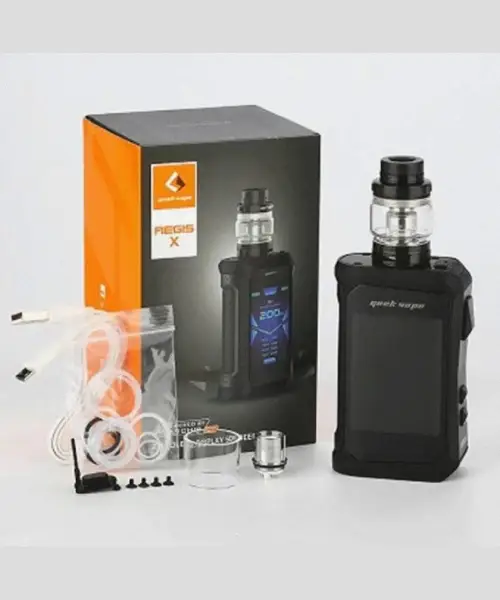
Box mod generally describes a larger electronic vaping device with a box-shaped housing and electronic controls. Advanced vape kit is a commercial phrase that can cover many different arrangements of batteries, circuitry, and aerosol-producing components. The term advanced is not evidence of improved health outcomes.
Devices with larger batteries or adjustable electronics raise electrical safety questions. Incorrect assumptions about batteries and components can create overheating or fire hazards. This article does not provide setup instructions or operating parameters. For terminology, see Box Mods & Advanced Vape Kits.
For search-engine readers, the difference between a broad keyword and a verified fact is essential. A frequently searched phrase can reflect curiosity, confusion, or advertising trends. Search volume does not make a product claim scientifically reliable.
Public-health guidance is especially relevant when marketing material simplifies complex issues. Regulatory compliance, ingredient identity, battery safety, and long-term health evidence are different questions. A responsible article keeps them separate instead of presenting a single reassuring slogan.
People also encounter older blog posts and changing product names. That makes publication dates important, particularly for California law and federal regulatory actions. Readers should verify current rules through official agencies rather than assuming that an older online answer remains accurate.
When interpreting product-related information, uncertainty should be stated openly. A missing ingredient disclosure is not proof of safety; a favorable personal review is not clinical evidence; and a product category does not establish what any specific retailer has available.
Cartridges versus pods
Cartridge and pod are sometimes used loosely in online listings, but the words may describe different container designs. A vape cart is often associated with a small reservoir for an extract, while pod is often associated with an integrated container in a pod-style device. These are conventions, not universal engineering standards.
The phrase vape carts battery commonly appears in searches, but compatibility cannot be inferred from a broad keyword. A device or reservoir should never be assumed safe because two components look similar. The vape cartridges explanation discusses terminology and consumer-safety concerns.
Public-health guidance is especially relevant when marketing material simplifies complex issues. Regulatory compliance, ingredient identity, battery safety, and long-term health evidence are different questions. A responsible article keeps them separate instead of presenting a single reassuring slogan.
People also encounter older blog posts and changing product names. That makes publication dates important, particularly for California law and federal regulatory actions. Readers should verify current rules through official agencies rather than assuming that an older online answer remains accurate.
When interpreting product-related information, uncertainty should be stated openly. A missing ingredient disclosure is not proof of safety; a favorable personal review is not clinical evidence; and a product category does not establish what any specific retailer has available.
For families, schools, and workplaces, understanding the language can help support informed conversations about nicotine dependence, respiratory exposure, safe handling of electronic waste, and the importance of following age restrictions.
What is e-liquid?
E-liquid is a formulation used in certain electronic vaping devices. Depending on the product, it may contain nicotine, solvents such as propylene glycol and vegetable glycerin, flavoring ingredients, and other chemicals. The word juice is informal marketing language; it does not mean the contents are food or safe to drink.
Ingredient declarations can vary, and some compounds may change when heated. Exposure depends on multiple factors, including product formulation and device behavior. People researching vape juice should distinguish a manufacturer’s ingredient list from independent evidence about inhalation safety. The site has a related e-liquid terminology guide.
People also encounter older blog posts and changing product names. That makes publication dates important, particularly for California law and federal regulatory actions. Readers should verify current rules through official agencies rather than assuming that an older online answer remains accurate.
When interpreting product-related information, uncertainty should be stated openly. A missing ingredient disclosure is not proof of safety; a favorable personal review is not clinical evidence; and a product category does not establish what any specific retailer has available.
For families, schools, and workplaces, understanding the language can help support informed conversations about nicotine dependence, respiratory exposure, safe handling of electronic waste, and the importance of following age restrictions.
One practical distinction is between what a term describes and what a consumer might infer from it. A device name usually describes shape or design, while a chemical label describes potential exposure. Neither tells the full story of manufacturing quality, individual health risk, or regulatory status.
Nicotine salts versus freebase nicotine
Nicotine salt and freebase nicotine are terms describing different chemical forms or formulations of nicotine. Both contain nicotine, which is addictive. The phrase nicotine salts should not be mistaken for ordinary table salt or evidence that a product is less harmful.
Compact pod devices can contain substantial nicotine concentrations. Nicotine exposure can affect attention, learning, mood, and impulse control during adolescence. For people who do not already use nicotine, avoiding initiation is the safest course. Marketing claims about smoothness or convenience do not establish safety.
When interpreting product-related information, uncertainty should be stated openly. A missing ingredient disclosure is not proof of safety; a favorable personal review is not clinical evidence; and a product category does not establish what any specific retailer has available.
For families, schools, and workplaces, understanding the language can help support informed conversations about nicotine dependence, respiratory exposure, safe handling of electronic waste, and the importance of following age restrictions.
One practical distinction is between what a term describes and what a consumer might infer from it. A device name usually describes shape or design, while a chemical label describes potential exposure. Neither tells the full story of manufacturing quality, individual health risk, or regulatory status.
For search-engine readers, the difference between a broad keyword and a verified fact is essential. A frequently searched phrase can reflect curiosity, confusion, or advertising trends. Search volume does not make a product claim scientifically reliable.
What nicotine-free claims mean
Products marketed as nicotine-free or zero nicotine are sometimes discussed as alternatives to nicotine-containing devices. The absence of nicotine, when accurately stated, does not mean that inhaled aerosol is harmless. Heating solvents and flavoring compounds can create respiratory exposure concerns.
Independent testing has at times found discrepancies between labeling and actual product contents. A label is one source of information, but it is not the same as comprehensive safety evidence. No vaping device should be considered a healthy habit merely because a package displays a zero-nicotine claim.
For families, schools, and workplaces, understanding the language can help support informed conversations about nicotine dependence, respiratory exposure, safe handling of electronic waste, and the importance of following age restrictions.
One practical distinction is between what a term describes and what a consumer might infer from it. A device name usually describes shape or design, while a chemical label describes potential exposure. Neither tells the full story of manufacturing quality, individual health risk, or regulatory status.
For search-engine readers, the difference between a broad keyword and a verified fact is essential. A frequently searched phrase can reflect curiosity, confusion, or advertising trends. Search volume does not make a product claim scientifically reliable.
Public-health guidance is especially relevant when marketing material simplifies complex issues. Regulatory compliance, ingredient identity, battery safety, and long-term health evidence are different questions. A responsible article keeps them separate instead of presenting a single reassuring slogan.
CBD vape terminology
CBD stands for cannabidiol, a cannabinoid found in cannabis plants. Search terms such as CBD vape oil and CBD oil vape pen combine substance and device language. These phrases do not establish the legal status, composition, or medical benefit of a specific formulation.
CBD can interact with medications and cause side effects. Inhalation adds potential respiratory concerns. A retail CBD product is not equivalent to an FDA-approved prescription medicine. See CBD oil, pens, and cartridges explained and CBD terminology for educational context.
One practical distinction is between what a term describes and what a consumer might infer from it. A device name usually describes shape or design, while a chemical label describes potential exposure. Neither tells the full story of manufacturing quality, individual health risk, or regulatory status.
For search-engine readers, the difference between a broad keyword and a verified fact is essential. A frequently searched phrase can reflect curiosity, confusion, or advertising trends. Search volume does not make a product claim scientifically reliable.
Public-health guidance is especially relevant when marketing material simplifies complex issues. Regulatory compliance, ingredient identity, battery safety, and long-term health evidence are different questions. A responsible article keeps them separate instead of presenting a single reassuring slogan.
People also encounter older blog posts and changing product names. That makes publication dates important, particularly for California law and federal regulatory actions. Readers should verify current rules through official agencies rather than assuming that an older online answer remains accurate.
THC vape terminology
THC is tetrahydrocannabinol, the primary intoxicating compound associated with cannabis. THC vape oil and THC vape carts are terms used for cannabis-related formulations and containers. Product names alone do not verify whether an item is legal, accurately labeled, or produced within a regulated system.
THC exposure can impair coordination, judgment, and attention. High-potency concentrates raise additional concerns. Public-health agencies have warned about serious lung injuries associated with some vaping products, particularly informal-source THC-containing products. The THC vape oil explainer addresses related terminology.
For search-engine readers, the difference between a broad keyword and a verified fact is essential. A frequently searched phrase can reflect curiosity, confusion, or advertising trends. Search volume does not make a product claim scientifically reliable.
Public-health guidance is especially relevant when marketing material simplifies complex issues. Regulatory compliance, ingredient identity, battery safety, and long-term health evidence are different questions. A responsible article keeps them separate instead of presenting a single reassuring slogan.
People also encounter older blog posts and changing product names. That makes publication dates important, particularly for California law and federal regulatory actions. Readers should verify current rules through official agencies rather than assuming that an older online answer remains accurate.
When interpreting product-related information, uncertainty should be stated openly. A missing ingredient disclosure is not proof of safety; a favorable personal review is not clinical evidence; and a product category does not establish what any specific retailer has available.
Aerosol is not water vapor
Vaping aerosol can contain tiny particles and chemicals carried into the lungs. What is present varies with the formulation and device. Studies have detected nicotine, volatile organic compounds, and metals in some aerosols. The absence of smoke does not make aerosol risk-free.
Scientific research continues to examine long-term respiratory and cardiovascular effects. Comparing vaping with combustible cigarettes is a separate question from asking whether vaping is safe for someone who has never used nicotine. Those questions should not be conflated.
Public-health guidance is especially relevant when marketing material simplifies complex issues. Regulatory compliance, ingredient identity, battery safety, and long-term health evidence are different questions. A responsible article keeps them separate instead of presenting a single reassuring slogan.
People also encounter older blog posts and changing product names. That makes publication dates important, particularly for California law and federal regulatory actions. Readers should verify current rules through official agencies rather than assuming that an older online answer remains accurate.
When interpreting product-related information, uncertainty should be stated openly. A missing ingredient disclosure is not proof of safety; a favorable personal review is not clinical evidence; and a product category does not establish what any specific retailer has available.
For families, schools, and workplaces, understanding the language can help support informed conversations about nicotine dependence, respiratory exposure, safe handling of electronic waste, and the importance of following age restrictions.
Nicotine addiction and the developing brain
Nicotine can produce dependence, and younger people are especially vulnerable because brain development continues into young adulthood. Dependence can make it difficult to stop exposure and can affect daily routines, concentration, and mood.
Flavor names and colorful packaging may make nicotine products appear less serious than they are. Public-health information should emphasize the actual chemical exposure rather than marketing aesthetics. People who are concerned about nicotine dependence can seek help from a healthcare professional or evidence-based cessation resources.
People also encounter older blog posts and changing product names. That makes publication dates important, particularly for California law and federal regulatory actions. Readers should verify current rules through official agencies rather than assuming that an older online answer remains accurate.
When interpreting product-related information, uncertainty should be stated openly. A missing ingredient disclosure is not proof of safety; a favorable personal review is not clinical evidence; and a product category does not establish what any specific retailer has available.
For families, schools, and workplaces, understanding the language can help support informed conversations about nicotine dependence, respiratory exposure, safe handling of electronic waste, and the importance of following age restrictions.
One practical distinction is between what a term describes and what a consumer might infer from it. A device name usually describes shape or design, while a chemical label describes potential exposure. Neither tells the full story of manufacturing quality, individual health risk, or regulatory status.
What is known about respiratory health
The lungs are designed to exchange gases, not to process heated solvents, flavoring aerosols, or metal particles. Some people who vape report coughing, throat irritation, or breathing discomfort. Symptoms have many possible causes and deserve medical assessment when persistent or concerning.
A history of vaping does not establish a diagnosis. Equally, the absence of immediate symptoms does not prove that exposure is harmless. Medical advice should be based on individual circumstances and established clinical guidance, not online testimonials.
When interpreting product-related information, uncertainty should be stated openly. A missing ingredient disclosure is not proof of safety; a favorable personal review is not clinical evidence; and a product category does not establish what any specific retailer has available.
For families, schools, and workplaces, understanding the language can help support informed conversations about nicotine dependence, respiratory exposure, safe handling of electronic waste, and the importance of following age restrictions.
One practical distinction is between what a term describes and what a consumer might infer from it. A device name usually describes shape or design, while a chemical label describes potential exposure. Neither tells the full story of manufacturing quality, individual health risk, or regulatory status.
For search-engine readers, the difference between a broad keyword and a verified fact is essential. A frequently searched phrase can reflect curiosity, confusion, or advertising trends. Search volume does not make a product claim scientifically reliable.
Secondhand aerosol and indoor air
Aerosol exhaled by someone using an electronic vaping device can affect indoor air. The exact composition depends on the product and environment. People nearby may be exposed to nicotine and other airborne substances.
Schools, workplaces, homes, and public venues may have restrictions intended to protect shared air. California rules governing smoking and vaping in certain places can differ by setting. Respecting smoke-free and vape-free spaces helps reduce involuntary exposure.
For families, schools, and workplaces, understanding the language can help support informed conversations about nicotine dependence, respiratory exposure, safe handling of electronic waste, and the importance of following age restrictions.
One practical distinction is between what a term describes and what a consumer might infer from it. A device name usually describes shape or design, while a chemical label describes potential exposure. Neither tells the full story of manufacturing quality, individual health risk, or regulatory status.
For search-engine readers, the difference between a broad keyword and a verified fact is essential. A frequently searched phrase can reflect curiosity, confusion, or advertising trends. Search volume does not make a product claim scientifically reliable.
Public-health guidance is especially relevant when marketing material simplifies complex issues. Regulatory compliance, ingredient identity, battery safety, and long-term health evidence are different questions. A responsible article keeps them separate instead of presenting a single reassuring slogan.
Battery technology and hazards
Many vaping devices use lithium-ion batteries. These batteries store substantial energy in compact spaces and can overheat or fail when damaged, defective, or mishandled. Battery incidents can cause burns or fires.
Visible swelling, unusual heat, leaking, or damage are warning signs of a potentially unsafe battery-containing device. Do not handle damaged batteries unnecessarily; follow local hazardous-waste and fire-safety guidance. See the site’s battery information article for terminology.
One practical distinction is between what a term describes and what a consumer might infer from it. A device name usually describes shape or design, while a chemical label describes potential exposure. Neither tells the full story of manufacturing quality, individual health risk, or regulatory status.
For search-engine readers, the difference between a broad keyword and a verified fact is essential. A frequently searched phrase can reflect curiosity, confusion, or advertising trends. Search volume does not make a product claim scientifically reliable.
Public-health guidance is especially relevant when marketing material simplifies complex issues. Regulatory compliance, ingredient identity, battery safety, and long-term health evidence are different questions. A responsible article keeps them separate instead of presenting a single reassuring slogan.
People also encounter older blog posts and changing product names. That makes publication dates important, particularly for California law and federal regulatory actions. Readers should verify current rules through official agencies rather than assuming that an older online answer remains accurate.
Charging and electrical safety
Rechargeable is a description of a device’s power system, not an assurance that charging is risk-free. Poorly manufactured electronics, physical damage, and incompatible electrical components can increase risk.
The safest approach to a damaged or overheating battery is to stop handling the device and seek appropriate safety guidance. This guide intentionally does not give operational charging instructions or compatibility workarounds. Consumer safety notices and manufacturer recalls can provide relevant warnings.
For search-engine readers, the difference between a broad keyword and a verified fact is essential. A frequently searched phrase can reflect curiosity, confusion, or advertising trends. Search volume does not make a product claim scientifically reliable.
Public-health guidance is especially relevant when marketing material simplifies complex issues. Regulatory compliance, ingredient identity, battery safety, and long-term health evidence are different questions. A responsible article keeps them separate instead of presenting a single reassuring slogan.
People also encounter older blog posts and changing product names. That makes publication dates important, particularly for California law and federal regulatory actions. Readers should verify current rules through official agencies rather than assuming that an older online answer remains accurate.
When interpreting product-related information, uncertainty should be stated openly. A missing ingredient disclosure is not proof of safety; a favorable personal review is not clinical evidence; and a product category does not establish what any specific retailer has available.
Product labeling and ingredient claims
Packaging may list nicotine content, ingredients, warnings, manufacturer information, and identifiers. Different jurisdictions require different disclosures. A product that looks professional may still have inaccurate labels or lack required authorization.
Statements such as premium, clean, natural, or lab tested do not automatically establish a reduced health risk. Claims should be assessed in context. For example, laboratory testing of one batch does not prove that all batches are identical or that inhalation of every ingredient is safe.
Public-health guidance is especially relevant when marketing material simplifies complex issues. Regulatory compliance, ingredient identity, battery safety, and long-term health evidence are different questions. A responsible article keeps them separate instead of presenting a single reassuring slogan.
People also encounter older blog posts and changing product names. That makes publication dates important, particularly for California law and federal regulatory actions. Readers should verify current rules through official agencies rather than assuming that an older online answer remains accurate.
When interpreting product-related information, uncertainty should be stated openly. A missing ingredient disclosure is not proof of safety; a favorable personal review is not clinical evidence; and a product category does not establish what any specific retailer has available.
For families, schools, and workplaces, understanding the language can help support informed conversations about nicotine dependence, respiratory exposure, safe handling of electronic waste, and the importance of following age restrictions.
Counterfeit and unregulated products
Counterfeit products can imitate branding, packaging, and product identifiers. An imitation label does not establish the contents of a liquid or cartridge. Informal and unregulated supply chains can make accountability difficult.
Public-health investigations have linked some serious vaping-related lung injuries to products containing harmful additives. Product appearance, online reviews, or a barcode alone cannot replace regulatory oversight and independent evidence. When health symptoms occur, seeking medical advice matters more than trying to identify a product by appearance.
People also encounter older blog posts and changing product names. That makes publication dates important, particularly for California law and federal regulatory actions. Readers should verify current rules through official agencies rather than assuming that an older online answer remains accurate.
When interpreting product-related information, uncertainty should be stated openly. A missing ingredient disclosure is not proof of safety; a favorable personal review is not clinical evidence; and a product category does not establish what any specific retailer has available.
For families, schools, and workplaces, understanding the language can help support informed conversations about nicotine dependence, respiratory exposure, safe handling of electronic waste, and the importance of following age restrictions.
One practical distinction is between what a term describes and what a consumer might infer from it. A device name usually describes shape or design, while a chemical label describes potential exposure. Neither tells the full story of manufacturing quality, individual health risk, or regulatory status.
California age restrictions
California restricts the sale of tobacco and nicotine vaping products to adults aged 21 and older, with specific legal rules and exceptions that should be checked against current official guidance. Cannabis products have separate licensing and age frameworks.
Business identification policies do not replace state and federal law. For the website’s published rules, see Sal’s Tobacco & More Age Verification Policy. For authoritative updates, consult the California Department of Public Health and relevant state regulators.
When interpreting product-related information, uncertainty should be stated openly. A missing ingredient disclosure is not proof of safety; a favorable personal review is not clinical evidence; and a product category does not establish what any specific retailer has available.
For families, schools, and workplaces, understanding the language can help support informed conversations about nicotine dependence, respiratory exposure, safe handling of electronic waste, and the importance of following age restrictions.
One practical distinction is between what a term describes and what a consumer might infer from it. A device name usually describes shape or design, while a chemical label describes potential exposure. Neither tells the full story of manufacturing quality, individual health risk, or regulatory status.
For search-engine readers, the difference between a broad keyword and a verified fact is essential. A frequently searched phrase can reflect curiosity, confusion, or advertising trends. Search volume does not make a product claim scientifically reliable.
FDA regulation and product authorization
In the United States, the FDA regulates tobacco products, including many e-cigarettes. Regulatory authorization for a specific tobacco product does not mean the FDA considers it safe or FDA-approved as a smoking-cessation medicine.
Online listings may use regulatory language imprecisely. Claims of registration, laboratory testing, and authorization refer to different things. Readers should consult official FDA information rather than relying on promotional summaries when determining what a regulatory claim means.
For families, schools, and workplaces, understanding the language can help support informed conversations about nicotine dependence, respiratory exposure, safe handling of electronic waste, and the importance of following age restrictions.
One practical distinction is between what a term describes and what a consumer might infer from it. A device name usually describes shape or design, while a chemical label describes potential exposure. Neither tells the full story of manufacturing quality, individual health risk, or regulatory status.
For search-engine readers, the difference between a broad keyword and a verified fact is essential. A frequently searched phrase can reflect curiosity, confusion, or advertising trends. Search volume does not make a product claim scientifically reliable.
Public-health guidance is especially relevant when marketing material simplifies complex issues. Regulatory compliance, ingredient identity, battery safety, and long-term health evidence are different questions. A responsible article keeps them separate instead of presenting a single reassuring slogan.
Cannabis-specific regulatory questions
Cannabis-derived products are subject to a distinct set of California rules concerning licensing, testing, labeling, and retail activities. The word hemp does not automatically make every cannabinoid formulation lawful in every setting.
Laws can change, and legality may depend on product composition and how a product is offered. The California Department of Cannabis Control is a more reliable source for current rules than broad search results. Educational content should not assume that a smoke shop holds a cannabis retail license or stocks cannabis products.
One practical distinction is between what a term describes and what a consumer might infer from it. A device name usually describes shape or design, while a chemical label describes potential exposure. Neither tells the full story of manufacturing quality, individual health risk, or regulatory status.
For search-engine readers, the difference between a broad keyword and a verified fact is essential. A frequently searched phrase can reflect curiosity, confusion, or advertising trends. Search volume does not make a product claim scientifically reliable.
Public-health guidance is especially relevant when marketing material simplifies complex issues. Regulatory compliance, ingredient identity, battery safety, and long-term health evidence are different questions. A responsible article keeps them separate instead of presenting a single reassuring slogan.
People also encounter older blog posts and changing product names. That makes publication dates important, particularly for California law and federal regulatory actions. Readers should verify current rules through official agencies rather than assuming that an older online answer remains accurate.
Environmental impact and e-waste
Disposable electronic vaping devices combine plastics, metals, electronics, and often lithium batteries. Throwing these items into household rubbish can contribute to pollution and create fire risks in waste-handling systems.
Local recycling and hazardous-waste programs may have different acceptance rules. Batteries and electronic devices should be managed according to local guidance. A product being small or marketed as disposable does not remove the need for appropriate waste handling.
For search-engine readers, the difference between a broad keyword and a verified fact is essential. A frequently searched phrase can reflect curiosity, confusion, or advertising trends. Search volume does not make a product claim scientifically reliable.
Public-health guidance is especially relevant when marketing material simplifies complex issues. Regulatory compliance, ingredient identity, battery safety, and long-term health evidence are different questions. A responsible article keeps them separate instead of presenting a single reassuring slogan.
People also encounter older blog posts and changing product names. That makes publication dates important, particularly for California law and federal regulatory actions. Readers should verify current rules through official agencies rather than assuming that an older online answer remains accurate.
When interpreting product-related information, uncertainty should be stated openly. A missing ingredient disclosure is not proof of safety; a favorable personal review is not clinical evidence; and a product category does not establish what any specific retailer has available.
Vaping and smoking cessation
People sometimes encounter vaping content while looking for ways to stop smoking. The evidence and regulations surrounding cessation are complex, and individual circumstances matter. No vaping product should be presented as an FDA-approved cessation medicine unless it actually has that approval.
Evidence-based cessation support includes professional counseling and approved treatments where appropriate. People who already smoke and want to quit can discuss options with a healthcare professional. People who do not smoke or vape should not start using nicotine products.
Public-health guidance is especially relevant when marketing material simplifies complex issues. Regulatory compliance, ingredient identity, battery safety, and long-term health evidence are different questions. A responsible article keeps them separate instead of presenting a single reassuring slogan.
People also encounter older blog posts and changing product names. That makes publication dates important, particularly for California law and federal regulatory actions. Readers should verify current rules through official agencies rather than assuming that an older online answer remains accurate.
When interpreting product-related information, uncertainty should be stated openly. A missing ingredient disclosure is not proof of safety; a favorable personal review is not clinical evidence; and a product category does not establish what any specific retailer has available.
For families, schools, and workplaces, understanding the language can help support informed conversations about nicotine dependence, respiratory exposure, safe handling of electronic waste, and the importance of following age restrictions.
How to interpret online reviews
Searches for best vape pen, top vape pods, and starter kit reviews often rank products by taste, appearance, price, or perceived convenience. These criteria are not reliable indicators of health risk. Sponsored reviews may also omit conflicts of interest.
A thoughtful educational comparison asks what a term means, what chemicals may be present, which regulatory rules apply, and what credible public-health sources say. It does not assume that popularity or high review scores establish safety.
People also encounter older blog posts and changing product names. That makes publication dates important, particularly for California law and federal regulatory actions. Readers should verify current rules through official agencies rather than assuming that an older online answer remains accurate.
When interpreting product-related information, uncertainty should be stated openly. A missing ingredient disclosure is not proof of safety; a favorable personal review is not clinical evidence; and a product category does not establish what any specific retailer has available.
For families, schools, and workplaces, understanding the language can help support informed conversations about nicotine dependence, respiratory exposure, safe handling of electronic waste, and the importance of following age restrictions.
One practical distinction is between what a term describes and what a consumer might infer from it. A device name usually describes shape or design, while a chemical label describes potential exposure. Neither tells the full story of manufacturing quality, individual health risk, or regulatory status.
Common myths about vaping
A frequent myth is that aerosol is merely water vapor. Another is that nicotine-free products are automatically harmless. A third is that smaller devices necessarily deliver less nicotine. None of these assumptions can be made reliably from packaging or device size alone.
Marketing language also sometimes confuses reduced exposure to one substance with absence of all risk. Product composition and health outcomes are separate questions. Clear communication should acknowledge uncertainty without minimizing established concerns about addiction, toxicants, and battery incidents.
When interpreting product-related information, uncertainty should be stated openly. A missing ingredient disclosure is not proof of safety; a favorable personal review is not clinical evidence; and a product category does not establish what any specific retailer has available.
For families, schools, and workplaces, understanding the language can help support informed conversations about nicotine dependence, respiratory exposure, safe handling of electronic waste, and the importance of following age restrictions.
One practical distinction is between what a term describes and what a consumer might infer from it. A device name usually describes shape or design, while a chemical label describes potential exposure. Neither tells the full story of manufacturing quality, individual health risk, or regulatory status.
For search-engine readers, the difference between a broad keyword and a verified fact is essential. A frequently searched phrase can reflect curiosity, confusion, or advertising trends. Search volume does not make a product claim scientifically reliable.
Information about Sal’s Tobacco & More
Sal’s Tobacco & More describes itself as a Central California smoke-shop business established in 2009. Its supplied locations are 647 W El Monte Way, Dinuba; 110 N 11th Ave, Hanford; and 2563 N 11th Ave, Hanford. These addresses are included for general business context, not as claims about any particular product being in stock.
Readers seeking background about the business can consult About Us, Contact Us, and Refund and Returns Policy. A store’s general merchandise descriptions do not establish that every product category discussed here is legally sold at every branch.
For families, schools, and workplaces, understanding the language can help support informed conversations about nicotine dependence, respiratory exposure, safe handling of electronic waste, and the importance of following age restrictions.
One practical distinction is between what a term describes and what a consumer might infer from it. A device name usually describes shape or design, while a chemical label describes potential exposure. Neither tells the full story of manufacturing quality, individual health risk, or regulatory status.
For search-engine readers, the difference between a broad keyword and a verified fact is essential. A frequently searched phrase can reflect curiosity, confusion, or advertising trends. Search volume does not make a product claim scientifically reliable.
Public-health guidance is especially relevant when marketing material simplifies complex issues. Regulatory compliance, ingredient identity, battery safety, and long-term health evidence are different questions. A responsible article keeps them separate instead of presenting a single reassuring slogan.
Where to find reliable health information
Reliable resources include the CDC’s information about e-cigarettes, the FDA’s tobacco-product regulatory pages, and state public-health departments. These sources can explain known hazards, identify regulatory actions, and clarify where scientific uncertainty remains.
A useful research habit is to separate peer-reviewed findings from personal anecdotes and sales claims. Also check the date of legal guidance, because state rules and federal enforcement positions can change. Health information should be updated when new evidence emerges.
One practical distinction is between what a term describes and what a consumer might infer from it. A device name usually describes shape or design, while a chemical label describes potential exposure. Neither tells the full story of manufacturing quality, individual health risk, or regulatory status.
For search-engine readers, the difference between a broad keyword and a verified fact is essential. A frequently searched phrase can reflect curiosity, confusion, or advertising trends. Search volume does not make a product claim scientifically reliable.
Public-health guidance is especially relevant when marketing material simplifies complex issues. Regulatory compliance, ingredient identity, battery safety, and long-term health evidence are different questions. A responsible article keeps them separate instead of presenting a single reassuring slogan.
People also encounter older blog posts and changing product names. That makes publication dates important, particularly for California law and federal regulatory actions. Readers should verify current rules through official agencies rather than assuming that an older online answer remains accurate.
Key takeaways for readers
The first step in understanding vaping is learning the vocabulary: device, battery, pod, cartridge, e-liquid, nicotine, CBD, and THC describe different things. Knowing these distinctions helps readers interpret headlines and packaging without confusing marketing terms with safety evidence.
The most important health points remain that nicotine is addictive, inhaled aerosol is not harmless water vapor, battery-containing electronics can fail, and age-restricted products are governed by specific laws. For people who do not already vape, the safest first step is not to start.
For search-engine readers, the difference between a broad keyword and a verified fact is essential. A frequently searched phrase can reflect curiosity, confusion, or advertising trends. Search volume does not make a product claim scientifically reliable.
Public-health guidance is especially relevant when marketing material simplifies complex issues. Regulatory compliance, ingredient identity, battery safety, and long-term health evidence are different questions. A responsible article keeps them separate instead of presenting a single reassuring slogan.
People also encounter older blog posts and changing product names. That makes publication dates important, particularly for California law and federal regulatory actions. Readers should verify current rules through official agencies rather than assuming that an older online answer remains accurate.
When interpreting product-related information, uncertainty should be stated openly. A missing ingredient disclosure is not proof of safety; a favorable personal review is not clinical evidence; and a product category does not establish what any specific retailer has available.