

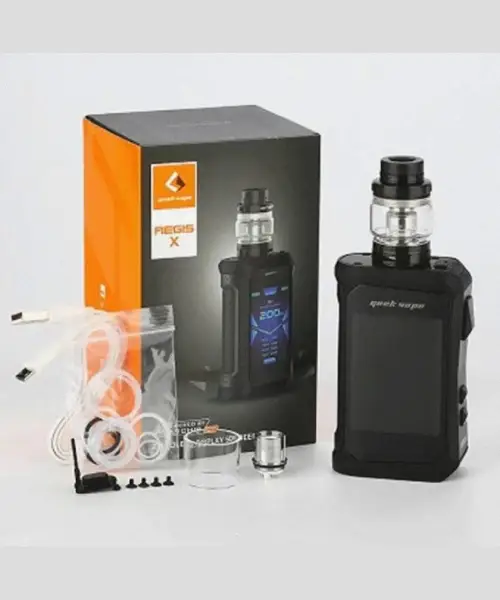
What Is a Vape Pod?
A vape pod is a container associated with an electronic vaping device. In everyday language, the word pod may describe a removable reservoir, a sealed cartridge-like component, or an integrated assembly containing liquid and a heating element. The same word can refer to several physical designs, so it does not identify the chemical contents.
Marketing descriptions often focus on appearance or convenience, but those descriptions do not explain aerosol exposure. The contents of a pod may include nicotine, flavoring chemicals, solvents, or other substances, and those ingredients are not necessarily disclosed in the same way across jurisdictions. A pod is a component of a delivery system, not a guarantee of quality, legality, or reduced risk.
How to interpret the terminology
When encountering this term in a search result, first ask whether the source is describing a physical component, a chemical formulation, a legal classification, or a marketing promise. These categories are frequently mixed together. The same phrase can appear in a retailer description, a laboratory study, and a government notice while carrying different meanings.
For the subject of vape pods, a useful distinction is between what a label claims and what evidence supports. Packaging, advertising, and search snippets often omit relevant qualifications. Independent public-health information and current government guidance can help explain what is known, what remains uncertain, and why a claim may not apply to every device or liquid.
How Pod Systems Are Described
A pod system generally means a device built around a removable or replaceable pod. Some products integrate the battery and electronics into a reusable body; others combine more components into a disposable assembly. Manufacturers use overlapping terms such as pod kit, pod device, compact vape, and pod-style electronic cigarette.
The terminology matters because a product name does not establish what parts are replaceable or whether its components are compatible with any other model. Consumers researching the technology should separate the battery housing, liquid reservoir, heating assembly, electronics, and mouthpiece as distinct concepts. The details can differ even when two devices look nearly identical.
What the description cannot establish
The terminology alone cannot establish whether a particular product has been independently evaluated, whether its label is accurate, or whether it meets current regulatory requirements. Those questions require evidence beyond the category name. In particular, an attractive product photograph is not a substitute for documentation.
For the subject of vape pod systems, a useful distinction is between what a label claims and what evidence supports. Packaging, advertising, and search snippets often omit relevant qualifications. Independent public-health information and current government guidance can help explain what is known, what remains uncertain, and why a claim may not apply to every device or liquid.
Pod Systems Compared With Vape Pens
Vape pen is a broad description of a slim electronic vaping device. A pod system can resemble a pen, while some pen-shaped products instead use separate cartridges or tanks. These are overlapping categories rather than mutually exclusive scientific classifications.
Comparison articles frequently describe one format as simpler or more advanced, but that framing can distract from common safety concerns. Both categories can expose users to nicotine and other aerosol constituents. Both can contain lithium-ion batteries, and neither category should be assumed safe because it is small, sleek, or widely advertised.
Why context matters
The date and location of the information are important. Rules differ among states, and scientific conclusions can evolve as researchers study newer formulations and devices. A page written for one jurisdiction or one generation of technology should not be generalized without checking its scope.
For the subject of pod systems versus vape pens, a useful distinction is between what a label claims and what evidence supports. Packaging, advertising, and search snippets often omit relevant qualifications. Independent public-health information and current government guidance can help explain what is known, what remains uncertain, and why a claim may not apply to every device or liquid.
For further background, see the site’s Vape Pen page. It is included as related educational reading rather than a product endorsement.
Refillable Vape Pods: Terminology
Refillable vape pods are commonly described as reservoirs designed to hold liquid more than once. That label is a design description, not a recommendation to refill a device or a statement that doing so is safe. Product labeling may distinguish between replaceable pods and reservoirs that are permanently integrated.
A refillable label does not establish that every ingredient is suitable for inhalation or that the container will remain intact indefinitely. Seal degradation, liquid leakage, component wear, and inconsistent manufacturing are relevant hazards. For an educational comparison, the key point is that the words refillable and reusable describe product architecture rather than health outcomes.
How to interpret the terminology
When encountering this term in a search result, first ask whether the source is describing a physical component, a chemical formulation, a legal classification, or a marketing promise. These categories are frequently mixed together. The same phrase can appear in a retailer description, a laboratory study, and a government notice while carrying different meanings.
For the subject of refillable vape pods, a useful distinction is between what a label claims and what evidence supports. Packaging, advertising, and search snippets often omit relevant qualifications. Independent public-health information and current government guidance can help explain what is known, what remains uncertain, and why a claim may not apply to every device or liquid.
Pre-Filled and Closed Pod Terminology
A pre-filled pod is typically supplied with liquid already inside its reservoir. Closed pod system is another marketing term, often referring to components intended for a particular device family. These labels may describe proprietary mechanical or electronic connections.
Closed does not mean medically safer, tamper-proof, or laboratory verified. Packaging claims about purity or consistency require evidence. Any comparison of pod formats should emphasize that nicotine content, aerosol chemistry, manufacturing controls, and applicable law are separate questions from whether a container arrives filled.
What the description cannot establish
The terminology alone cannot establish whether a particular product has been independently evaluated, whether its label is accurate, or whether it meets current regulatory requirements. Those questions require evidence beyond the category name. In particular, an attractive product photograph is not a substitute for documentation.
For the subject of pre-filled vape pods, a useful distinction is between what a label claims and what evidence supports. Packaging, advertising, and search snippets often omit relevant qualifications. Independent public-health information and current government guidance can help explain what is known, what remains uncertain, and why a claim may not apply to every device or liquid.
Disposable Vape Pods and Integrated Devices
Disposable vape pods is an imprecise phrase. It can refer to a single-use removable pod, or it may be used loosely for an entire disposable electronic cigarette. Those are materially different items, especially when considering battery waste.
Single-use electronics create waste-management concerns because they may contain rechargeable lithium batteries even when marketed as disposable. Batteries can ignite if damaged or mishandled in ordinary waste streams. Local disposal guidance and hazardous-waste rules are more useful than a marketing claim that a product is convenient.
Why context matters
The date and location of the information are important. Rules differ among states, and scientific conclusions can evolve as researchers study newer formulations and devices. A page written for one jurisdiction or one generation of technology should not be generalized without checking its scope.
For the subject of disposable vape pods, a useful distinction is between what a label claims and what evidence supports. Packaging, advertising, and search snippets often omit relevant qualifications. Independent public-health information and current government guidance can help explain what is known, what remains uncertain, and why a claim may not apply to every device or liquid.
The Anatomy of a Pod Device
Typical pod-related components include a liquid chamber, heating element, airflow passages, electrical contacts, and an outer shell. The associated device may include a battery, charging circuit, sensor, and control board. Some products combine several of these functions in one sealed component.
These parts matter because failures can occur at different points. A leaking reservoir is different from a damaged battery, and a faulty sensor is different from a mislabeled liquid. An educational product diagram should identify components without presenting instructions for operating, modifying, or assembling a vaping device.
How to interpret the terminology
When encountering this term in a search result, first ask whether the source is describing a physical component, a chemical formulation, a legal classification, or a marketing promise. These categories are frequently mixed together. The same phrase can appear in a retailer description, a laboratory study, and a government notice while carrying different meanings.
For the subject of vape pod components, a useful distinction is between what a label claims and what evidence supports. Packaging, advertising, and search snippets often omit relevant qualifications. Independent public-health information and current government guidance can help explain what is known, what remains uncertain, and why a claim may not apply to every device or liquid.
For further background, see the site’s Vape Carts Explained page. It is included as related educational reading rather than a product endorsement.
Batteries and Electrical Safety
Pod systems commonly rely on compact lithium-ion batteries. These cells store substantial energy in a small space and can create fire or burn hazards when damaged, defective, or exposed to inappropriate conditions. Battery risk is not unique to vaping products, but the presence of liquids and heating elements adds complexity.
Visible swelling, deformation, overheating, or damage are warning signs that warrant avoiding the device and seeking appropriate disposal guidance. Do not place damaged lithium batteries in household trash. The safest public-facing guidance is to follow local battery recycling and hazardous-waste rules rather than attempting repairs or electrical modifications.
What the description cannot establish
The terminology alone cannot establish whether a particular product has been independently evaluated, whether its label is accurate, or whether it meets current regulatory requirements. Those questions require evidence beyond the category name. In particular, an attractive product photograph is not a substitute for documentation.
For the subject of vape pod battery, a useful distinction is between what a label claims and what evidence supports. Packaging, advertising, and search snippets often omit relevant qualifications. Independent public-health information and current government guidance can help explain what is known, what remains uncertain, and why a claim may not apply to every device or liquid.
For further background, see the site’s Battery Education page. It is included as related educational reading rather than a product endorsement.
Charging-Related Hazards
Charging circuitry is an important part of electronic-device safety. Poor-quality batteries, damaged connections, and defective chargers can contribute to overheating. Some products have limited documentation about their internal electrical protection systems.
A safety article should avoid treating a USB connector or a charging indicator as proof of compliance. Regulatory recalls and fire-safety alerts may identify particular defective products. If a device becomes unusually hot, smokes, or shows visible damage, people should keep clear and contact emergency services when there is an immediate fire risk.
Why context matters
The date and location of the information are important. Rules differ among states, and scientific conclusions can evolve as researchers study newer formulations and devices. A page written for one jurisdiction or one generation of technology should not be generalized without checking its scope.
For the subject of rechargeable vape pods, a useful distinction is between what a label claims and what evidence supports. Packaging, advertising, and search snippets often omit relevant qualifications. Independent public-health information and current government guidance can help explain what is known, what remains uncertain, and why a claim may not apply to every device or liquid.
Nicotine in Pod Liquids
Many pod products contain nicotine, an addictive substance. Nicotine exposure can affect attention, learning, mood, and brain development, particularly in adolescents. Product concentrations vary, and labels may use percentages or other units that are easy to misunderstand.
A label stating a nicotine concentration does not disclose every aerosol constituent or establish the amount a person might absorb. The actual exposure depends on multiple factors. Marketing that emphasizes flavor or portability can obscure the fact that nicotine dependence is a central public-health concern associated with these products.
How to interpret the terminology
When encountering this term in a search result, first ask whether the source is describing a physical component, a chemical formulation, a legal classification, or a marketing promise. These categories are frequently mixed together. The same phrase can appear in a retailer description, a laboratory study, and a government notice while carrying different meanings.
For the subject of nicotine vape pods, a useful distinction is between what a label claims and what evidence supports. Packaging, advertising, and search snippets often omit relevant qualifications. Independent public-health information and current government guidance can help explain what is known, what remains uncertain, and why a claim may not apply to every device or liquid.
Nicotine Salts and Freebase Nicotine
Nicotine salts and freebase nicotine describe different chemical forms of nicotine found in some vaping liquids. The distinction concerns formulation chemistry rather than a difference between safe and unsafe nicotine. Both forms can contribute to dependence.
Scientific discussion of nicotine forms should not be mistaken for advice about choosing a formulation. A product using the term salt does not contain table salt in the everyday sense, and a term such as smooth does not demonstrate reduced toxicological risk. The most important health fact is that nicotine is addictive.
What the description cannot establish
The terminology alone cannot establish whether a particular product has been independently evaluated, whether its label is accurate, or whether it meets current regulatory requirements. Those questions require evidence beyond the category name. In particular, an attractive product photograph is not a substitute for documentation.
For the subject of nicotine salt pod systems, a useful distinction is between what a label claims and what evidence supports. Packaging, advertising, and search snippets often omit relevant qualifications. Independent public-health information and current government guidance can help explain what is known, what remains uncertain, and why a claim may not apply to every device or liquid.
What Is in Vape Aerosol?
Electronic vaping devices create an aerosol rather than harmless water vapor. Depending on the product, aerosol may contain nicotine, volatile organic compounds, fine particles, metals, and other substances. The composition can vary with ingredients, device materials, and manufacturing quality.
An ingredient list describes the starting liquid but does not fully describe what appears in the resulting aerosol. Heating can change chemicals, and emissions can include compounds not emphasized on packaging. This is why public-health authorities caution against assuming that flavored or nicotine-free labels make a vaping product harmless.
Why context matters
The date and location of the information are important. Rules differ among states, and scientific conclusions can evolve as researchers study newer formulations and devices. A page written for one jurisdiction or one generation of technology should not be generalized without checking its scope.
For the subject of vape pod aerosol, a useful distinction is between what a label claims and what evidence supports. Packaging, advertising, and search snippets often omit relevant qualifications. Independent public-health information and current government guidance can help explain what is known, what remains uncertain, and why a claim may not apply to every device or liquid.
Flavoring Claims and Respiratory Exposure
Flavoring compounds can be approved or commonly used for eating without being established as safe to inhale. The lungs and digestive tract are different exposure routes. A flavor name does not reveal the complete chemical profile of an aerosol.
Descriptors such as fruit, mint, dessert, or tobacco are marketing categories rather than toxicological certifications. Scientific research into respiratory exposure is ongoing, and some effects may take time to become apparent. Product descriptions should not imply that pleasant taste or scent corresponds to a lower-risk formulation.
How to interpret the terminology
When encountering this term in a search result, first ask whether the source is describing a physical component, a chemical formulation, a legal classification, or a marketing promise. These categories are frequently mixed together. The same phrase can appear in a retailer description, a laboratory study, and a government notice while carrying different meanings.
For the subject of flavored vape pods, a useful distinction is between what a label claims and what evidence supports. Packaging, advertising, and search snippets often omit relevant qualifications. Independent public-health information and current government guidance can help explain what is known, what remains uncertain, and why a claim may not apply to every device or liquid.
CBD, THC, and Other Pod Terminology
Search results may combine vape pods with CBD, THC, or cannabis-related terms. These substances differ from nicotine, and their legal treatment may differ as well. A device category alone does not tell readers which chemical is present.
Cannabis vaping products can involve additional concerns about contamination, additives, potency labeling, and intoxication. Public-health agencies have linked some vaping-related lung injuries to THC-containing products from informal sources, with vitamin E acetate strongly associated with the outbreak. The history illustrates why ingredient transparency matters.
What the description cannot establish
The terminology alone cannot establish whether a particular product has been independently evaluated, whether its label is accurate, or whether it meets current regulatory requirements. Those questions require evidence beyond the category name. In particular, an attractive product photograph is not a substitute for documentation.
For the subject of CBD THC vape pods, a useful distinction is between what a label claims and what evidence supports. Packaging, advertising, and search snippets often omit relevant qualifications. Independent public-health information and current government guidance can help explain what is known, what remains uncertain, and why a claim may not apply to every device or liquid.
For further background, see the site’s Vape Carts Explained page. It is included as related educational reading rather than a product endorsement.
Compatibility Claims and Proprietary Designs
Compatibility means that two components are designed to work together under specified conditions. In pod products, compatibility claims may involve mechanical fit, electrical contacts, software restrictions, or proprietary housings. A similar shape does not establish interchangeability.
Misleading compatibility claims can create electrical and leakage risks. For an educational article, it is enough to explain why manufacturer-specific product families exist and why unsupported modifications can be hazardous. This guide does not provide instructions for pairing, adapting, or modifying vaping equipment.
Why context matters
The date and location of the information are important. Rules differ among states, and scientific conclusions can evolve as researchers study newer formulations and devices. A page written for one jurisdiction or one generation of technology should not be generalized without checking its scope.
For the subject of vape pod compatibility, a useful distinction is between what a label claims and what evidence supports. Packaging, advertising, and search snippets often omit relevant qualifications. Independent public-health information and current government guidance can help explain what is known, what remains uncertain, and why a claim may not apply to every device or liquid.
Reading Labels and Packaging
Packaging may display nicotine warnings, ingredient information, manufacturer identifiers, lot numbers, or regulatory notices. What is legally required depends on the product and jurisdiction. A polished box or printed authenticity mark is not proof of independent verification.
Readers should distinguish verifiable regulatory information from promotional statements. Phrases such as premium, clean, or laboratory tested can be ambiguous without supporting records. Some packaging also uses cartoon-like imagery or candy references, which raises particular concerns about youth appeal and accidental exposure.
How to interpret the terminology
When encountering this term in a search result, first ask whether the source is describing a physical component, a chemical formulation, a legal classification, or a marketing promise. These categories are frequently mixed together. The same phrase can appear in a retailer description, a laboratory study, and a government notice while carrying different meanings.
For the subject of vape pod labels, a useful distinction is between what a label claims and what evidence supports. Packaging, advertising, and search snippets often omit relevant qualifications. Independent public-health information and current government guidance can help explain what is known, what remains uncertain, and why a claim may not apply to every device or liquid.
Counterfeit and Misrepresented Products
Counterfeit or misrepresented products can copy brand names, colors, and packaging. Appearance alone may not establish whether a product came from a legitimate manufacturer or met applicable quality requirements. Fraudulent labels may also misstate nicotine content.
A consumer-safety discussion should focus on the limitations of visual inspection and the importance of public recalls, enforcement notices, and regulatory documentation. No single QR code, hologram, or website claim should be treated as an absolute guarantee of safety or legal compliance.
What the description cannot establish
The terminology alone cannot establish whether a particular product has been independently evaluated, whether its label is accurate, or whether it meets current regulatory requirements. Those questions require evidence beyond the category name. In particular, an attractive product photograph is not a substitute for documentation.
For the subject of counterfeit vape pods, a useful distinction is between what a label claims and what evidence supports. Packaging, advertising, and search snippets often omit relevant qualifications. Independent public-health information and current government guidance can help explain what is known, what remains uncertain, and why a claim may not apply to every device or liquid.
Vape Pods Near Me: Understanding Local Searches
The search phrase vape pods near me is location-based. It may lead to retailers, business directories, product listings, news stories, or public-health information. Search ranking does not certify that a product is lawful, authentic, or suitable for a particular person.
In California, age restrictions and other rules apply to tobacco and nicotine products. Local search results may also contain outdated listings or inaccurate inventory claims. This guide provides general business context and educational information, not directions to obtain age-restricted products.
Why context matters
The date and location of the information are important. Rules differ among states, and scientific conclusions can evolve as researchers study newer formulations and devices. A page written for one jurisdiction or one generation of technology should not be generalized without checking its scope.
For the subject of vape pods near me, a useful distinction is between what a label claims and what evidence supports. Packaging, advertising, and search snippets often omit relevant qualifications. Independent public-health information and current government guidance can help explain what is known, what remains uncertain, and why a claim may not apply to every device or liquid.
For further background, see the site’s Age Verification Policy page. It is included as related educational reading rather than a product endorsement.
Brand Names in Search Results
Keyword research includes searches mentioning brands and product families such as Foger, Nexa, Vuse, Geek Vape, NJOY, RAZ, and Lost Mary. Brand names in search data indicate what people search for; they do not prove that a brand is authorized, currently available, or carried by a particular business.
Names may also be misspelled, reused by unrelated sellers, or associated with different generations of products. The existence of a keyword should not be interpreted as an endorsement. Educational content is more reliable when it discusses categories and regulatory status rather than ranking branded nicotine products.
How to interpret the terminology
When encountering this term in a search result, first ask whether the source is describing a physical component, a chemical formulation, a legal classification, or a marketing promise. These categories are frequently mixed together. The same phrase can appear in a retailer description, a laboratory study, and a government notice while carrying different meanings.
For the subject of Foger Nexa Vuse Geek Vape pods, a useful distinction is between what a label claims and what evidence supports. Packaging, advertising, and search snippets often omit relevant qualifications. Independent public-health information and current government guidance can help explain what is known, what remains uncertain, and why a claim may not apply to every device or liquid.
Understanding Marketing Numbers
Packaging may emphasize a claimed puff count, reservoir capacity, or battery size. These are marketing or technical descriptors, not health measurements. A claimed number of puffs is not a standardized measure of nicotine dose or aerosol exposure.
Real-world usage patterns vary, and promotional numbers may be based on assumptions that are not clearly disclosed. A larger claimed capacity should not be framed as an advantage for health or safety. Readers should understand the limits of the figures rather than use them to infer quality or reduced harm.
What the description cannot establish
The terminology alone cannot establish whether a particular product has been independently evaluated, whether its label is accurate, or whether it meets current regulatory requirements. Those questions require evidence beyond the category name. In particular, an attractive product photograph is not a substitute for documentation.
For the subject of vape pod puff counts, a useful distinction is between what a label claims and what evidence supports. Packaging, advertising, and search snippets often omit relevant qualifications. Independent public-health information and current government guidance can help explain what is known, what remains uncertain, and why a claim may not apply to every device or liquid.
Device Failures and Warning Signs
Electronic pod devices can fail through leakage, damaged contacts, battery defects, or structural wear. Reports of unusual heat, swelling, or visible damage deserve attention because these symptoms can indicate electrical or chemical hazards.
Do not attempt to dismantle a damaged battery-containing device. Keep leaking liquids away from children and pets, and avoid direct contact with unidentified substances. Where exposure or injury is suspected, seek appropriate medical or poison-control assistance. Safety response is different from routine product troubleshooting.
Why context matters
The date and location of the information are important. Rules differ among states, and scientific conclusions can evolve as researchers study newer formulations and devices. A page written for one jurisdiction or one generation of technology should not be generalized without checking its scope.
For the subject of leaking vape pods, a useful distinction is between what a label claims and what evidence supports. Packaging, advertising, and search snippets often omit relevant qualifications. Independent public-health information and current government guidance can help explain what is known, what remains uncertain, and why a claim may not apply to every device or liquid.
Secondhand Aerosol and Shared Spaces
Vaping aerosol can affect the surrounding environment. Bystanders may be exposed to nicotine and other emitted substances, especially in enclosed areas. Aerosol is not equivalent to clean air, and its visibility does not reliably indicate the full extent of exposure.
Smoke-free and vape-free policies may apply in workplaces, schools, public spaces, and private premises. Protecting children and people with respiratory conditions is an important consideration. A responsible educational article should not characterize indoor vaping as harmless to others.
How to interpret the terminology
When encountering this term in a search result, first ask whether the source is describing a physical component, a chemical formulation, a legal classification, or a marketing promise. These categories are frequently mixed together. The same phrase can appear in a retailer description, a laboratory study, and a government notice while carrying different meanings.
For the subject of secondhand vape aerosol, a useful distinction is between what a label claims and what evidence supports. Packaging, advertising, and search snippets often omit relevant qualifications. Independent public-health information and current government guidance can help explain what is known, what remains uncertain, and why a claim may not apply to every device or liquid.
Young People and Nicotine Dependence
Nicotine exposure during adolescence is a significant concern because the brain continues developing into young adulthood. Nicotine can contribute to addiction and affect learning, attention, and mood. Product flavors and discreet form factors can increase the appeal of vaping devices to young people.
For teenagers, the appropriate public-health message is to avoid vaping and seek support if nicotine use has become difficult to stop. Educational material should not provide product selection or operating advice that facilitates underage use. Adults supporting young people can consult trusted healthcare and cessation resources.
What the description cannot establish
The terminology alone cannot establish whether a particular product has been independently evaluated, whether its label is accurate, or whether it meets current regulatory requirements. Those questions require evidence beyond the category name. In particular, an attractive product photograph is not a substitute for documentation.
For the subject of teen vaping risks, a useful distinction is between what a label claims and what evidence supports. Packaging, advertising, and search snippets often omit relevant qualifications. Independent public-health information and current government guidance can help explain what is known, what remains uncertain, and why a claim may not apply to every device or liquid.
California Laws and Age Verification
California regulates tobacco products, including many electronic smoking devices, and generally prohibits sales to people under 21. State and local restrictions can also affect flavors, licensing, advertising, and where vaping is permitted. Laws change, so dated marketing pages are not a substitute for official guidance.
The California Department of Public Health and other government agencies publish current information about tobacco control. The business age-verification policy is relevant as an explanation of store procedures, but a store policy does not supersede state or federal law. Product authorization and legal sale are separate questions from brand recognition.
Why context matters
The date and location of the information are important. Rules differ among states, and scientific conclusions can evolve as researchers study newer formulations and devices. A page written for one jurisdiction or one generation of technology should not be generalized without checking its scope.
For the subject of California vape pod laws, a useful distinction is between what a label claims and what evidence supports. Packaging, advertising, and search snippets often omit relevant qualifications. Independent public-health information and current government guidance can help explain what is known, what remains uncertain, and why a claim may not apply to every device or liquid.
For further background, see the site’s Age Verification Policy page. It is included as related educational reading rather than a product endorsement.
Federal Oversight and FDA Authorization
In the United States, the FDA regulates electronic nicotine delivery systems under tobacco-product law. Authorization is product-specific, and a product appearing on a website or shelf is not necessarily FDA-authorized. FDA enforcement actions and public databases can change over time.
The agency has repeatedly warned about youth-targeted marketing and unauthorized e-cigarette products. Readers should avoid interpreting generic statements such as FDA registered as evidence that a particular vaping product has received marketing authorization. Registration and product authorization are not the same.
How to interpret the terminology
When encountering this term in a search result, first ask whether the source is describing a physical component, a chemical formulation, a legal classification, or a marketing promise. These categories are frequently mixed together. The same phrase can appear in a retailer description, a laboratory study, and a government notice while carrying different meanings.
For the subject of FDA vape pod regulation, a useful distinction is between what a label claims and what evidence supports. Packaging, advertising, and search snippets often omit relevant qualifications. Independent public-health information and current government guidance can help explain what is known, what remains uncertain, and why a claim may not apply to every device or liquid.
Environmental Impact and E-Waste
Pod devices can combine plastic, metal, residual nicotine liquid, electronic circuitry, and lithium batteries. This mixture complicates disposal. Throwing battery-containing devices into ordinary rubbish or recycling bins can create fire risks for waste workers and facilities.
Local household hazardous-waste programs and municipal guidance are the appropriate starting points for disposal questions. Do not puncture batteries or attempt to remove internal cells from sealed devices. Environmental discussions should also account for the material footprint of single-use products and the challenges of recovering mixed components.
What the description cannot establish
The terminology alone cannot establish whether a particular product has been independently evaluated, whether its label is accurate, or whether it meets current regulatory requirements. Those questions require evidence beyond the category name. In particular, an attractive product photograph is not a substitute for documentation.
For the subject of vape pod recycling, a useful distinction is between what a label claims and what evidence supports. Packaging, advertising, and search snippets often omit relevant qualifications. Independent public-health information and current government guidance can help explain what is known, what remains uncertain, and why a claim may not apply to every device or liquid.
Sal’s Tobacco & More: Business Background
Sal’s Tobacco & More is a Central California business established in 2009, with locations in Dinuba and Hanford. This article uses the business as a local editorial context, not as proof that any named pod brand or nicotine product is stocked or authorized for sale.
General information about the company is available on its About Us page. Its age-verification policy describes customer identification procedures, while the Contact Us page provides a channel for general inquiries. Accurate local content should distinguish verified addresses and hours from product-specific claims that have not been established.
Why context matters
The date and location of the information are important. Rules differ among states, and scientific conclusions can evolve as researchers study newer formulations and devices. A page written for one jurisdiction or one generation of technology should not be generalized without checking its scope.
For the subject of Central California smoke shop, a useful distinction is between what a label claims and what evidence supports. Packaging, advertising, and search snippets often omit relevant qualifications. Independent public-health information and current government guidance can help explain what is known, what remains uncertain, and why a claim may not apply to every device or liquid.
A Practical Vocabulary Reference
Pod refers to a removable or integrated container associated with an electronic vaping device. Pod system describes a device architecture. Aerosol means particles or droplets suspended in air. Nicotine is an addictive substance. Battery capacity is an electrical descriptor rather than a measure of safety.
Closed system, refillable, disposable, cartridge, and tank are commercial and technical terms that can overlap. Certificate of analysis is a testing document, although its relevance depends on the sample and method. Regulatory authorization is a legal determination, not a marketing badge. Understanding these definitions helps readers interpret claims critically.
How to interpret the terminology
When encountering this term in a search result, first ask whether the source is describing a physical component, a chemical formulation, a legal classification, or a marketing promise. These categories are frequently mixed together. The same phrase can appear in a retailer description, a laboratory study, and a government notice while carrying different meanings.
For the subject of vape pod glossary, a useful distinction is between what a label claims and what evidence supports. Packaging, advertising, and search snippets often omit relevant qualifications. Independent public-health information and current government guidance can help explain what is known, what remains uncertain, and why a claim may not apply to every device or liquid.
Research Questions and Evidence Quality
Evidence about vaping comes from toxicology, clinical research, population studies, product testing, and regulatory surveillance. Each method answers different questions. A laboratory finding about emissions does not necessarily quantify long-term health outcomes, and a consumer review cannot establish safety.
Readers should check publication dates, funding disclosures, sample sizes, and whether a claim concerns nicotine products, cannabis products, or another category. Rapid changes in device design can limit the applicability of older findings. Where uncertainty remains, an accurate guide should acknowledge it rather than present unsupported assurances.
What the description cannot establish
The terminology alone cannot establish whether a particular product has been independently evaluated, whether its label is accurate, or whether it meets current regulatory requirements. Those questions require evidence beyond the category name. In particular, an attractive product photograph is not a substitute for documentation.
For the subject of vape pod research, a useful distinction is between what a label claims and what evidence supports. Packaging, advertising, and search snippets often omit relevant qualifications. Independent public-health information and current government guidance can help explain what is known, what remains uncertain, and why a claim may not apply to every device or liquid.
Putting Safety Information in Context
The central lesson of pod-system education is that a compact form factor does not remove the risks associated with nicotine, inhaled aerosol, batteries, or inconsistent manufacturing. Labels and brand names provide limited information without supporting evidence.
For readers seeking neutral background, official public-health resources are a stronger foundation than advertising. Parents, educators, and healthcare professionals can use terminology guides to recognize products and discuss risks. The purpose of this page is understanding, not encouragement to obtain or use vaping devices.
Why context matters
The date and location of the information are important. Rules differ among states, and scientific conclusions can evolve as researchers study newer formulations and devices. A page written for one jurisdiction or one generation of technology should not be generalized without checking its scope.
For the subject of vape pods explained, a useful distinction is between what a label claims and what evidence supports. Packaging, advertising, and search snippets often omit relevant qualifications. Independent public-health information and current government guidance can help explain what is known, what remains uncertain, and why a claim may not apply to every device or liquid.
Pod-System Terminology Comparison
Terms describing product architecture can overlap. This table is a glossary, not a ranking of devices or a recommendation to use them.
| Term | What it usually describes | What it does not prove |
|---|---|---|
| Pod system | Electronic device organized around a pod component | Safety or regulatory authorization |
| Refillable pod | Reservoir marketed for multiple fills | Safety of any liquid or refilling procedure |
| Pre-filled pod | Reservoir supplied with liquid | Ingredient purity or accuracy |
| Closed system | Often a proprietary device-and-pod family | Reduced addiction risk |
| Disposable pod | Single-use component or loosely described disposable device | Easy or safe waste disposal |
| Nicotine salt | A chemical form of nicotine | Lower addictiveness |
Sal’s Tobacco & More in Central California
Established in 2009, Sal’s Tobacco & More has locations serving Dinuba and Hanford. These addresses and hours are provided for general business context only and do not establish availability of specific vape products or brands.
Dinuba
647 W El Monte Way
Dinuba, CA
Daily: 9 AM–9 PM
Hanford Downtown
110 N 11th Ave
Hanford, CA
Mon–Sat: 8 AM–10 PM
Sun: 8 AM–9 PM
Hanford North
2563 N 11th Ave
Hanford, CA
Mon–Sat: 9 AM–10 PM
Sun: 9 AM–9 PM
For general business information, see About Us, Age Verification Policy, and Contact Us.
Related Educational Reading
The following site resources offer background on adjacent device categories, terminology, battery risks, and store policies. Their inclusion is informational and does not establish endorsement of age-restricted products.
- About Us
- Age Verification Policy
- Contact Us
- Vape Pen
- Box Mods & Advanced Vape Kits
- Vape Carts Explained
- Vaping for Beginners
- Disposable Vapes Guide
- Vape Juice & E-Liquid Guide
- How Long Does a Disposable Vape Last?
- Battery Education
- Refund and Returns Policy
For official public-health information, consult the CDC’s e-cigarette information, FDA Center for Tobacco Products, and California Tobacco Control Branch.
Vape Pods & Pod Systems FAQs
What are vape pods?
They are containers or integrated components associated with electronic vaping devices; designs vary.
What is a vape pod system?
It is a device architecture built around a pod rather than a single standardized product.
Are vape pods the same as vape pens?
The categories overlap, but they are not identical. Vape pen describes a broad device shape.
What are refillable vape pods?
The term describes reservoirs marketed for repeated filling, not a safety certification.
What are disposable vape pods?
The phrase may describe a single-use pod or, less precisely, an entire disposable device.
Do all vape pods contain nicotine?
No. Product contents vary, and the category name alone cannot establish the ingredients.
Are nicotine-free vape pods harmless?
No. Aerosol can contain other chemicals and particles even without nicotine.
Are nicotine salts safer than nicotine?
Nicotine salts are a formulation type; they are not a guarantee of reduced harm or dependence.
What is in vaping aerosol?
Depending on the product, aerosol may contain nicotine, fine particles, metals, and other chemicals.
Do vape pods contain water vapor?
Vaping emissions are aerosols, not simply harmless water vapor.
Are flavored pods safe to inhale?
Flavoring safety for food does not establish safety for inhalation.
What is a closed pod system?
It commonly refers to a proprietary component system, although brands use the term differently.
What is a pod battery?
It is the energy source powering an electronic device, commonly based on lithium-ion technology.
Can vape pod batteries catch fire?
Yes. Damaged or defective lithium batteries can overheat or ignite.
What if a device is swollen or unusually hot?
Avoid handling or using it, keep clear of fire risk, and follow local emergency and disposal guidance.
Can vaping affect people nearby?
Yes. Secondhand aerosol may expose bystanders to emitted substances.
Why is youth vaping concerning?
Nicotine can cause addiction and affect the developing adolescent brain.
Are all products appearing in search results legal?
No. Search placement is not evidence of legal authorization.
Is FDA registration the same as FDA authorization?
No. Registration does not mean an individual vaping product is authorized for marketing.
Does California restrict vaping products?
Yes. Age, flavor, licensing, and other requirements can apply, and regulations may change.
Are vape pods recyclable?
Their mixed materials and batteries complicate recycling; local hazardous-waste guidance matters.
Are brand-name search results proof of authenticity?
No. Brand mentions and packaging images do not independently verify authenticity.
Does a high puff count mean a product is safer?
No. Puff count is not a standardized health or exposure measure.
Do vape pods always fit similar devices?
No. Similar appearance does not establish mechanical or electrical compatibility.
What is a lot number?
It is an identifier that may help trace a product to a manufacturing batch.
Can labels be inaccurate?
Yes. Product labels and marketing statements can be incomplete or misleading.
Are cannabis and nicotine pods legally identical?
No. Different substances and products can be governed by different rules.
Can I throw a battery-containing pod device in the trash?
Battery-containing electronics may pose fire risks in waste streams; check local disposal guidance.
Where can I learn about nicotine risks?
The CDC and FDA provide public-health and regulatory information.
Does Sal’s Tobacco & More carry a particular pod brand?
This article does not verify inventory or availability of any specific product.
What does vape pods near me mean?
It is a location-oriented search phrase, not a safety or regulatory certification.
Can vaping cause nicotine dependence?
Yes. Nicotine is addictive, and dependence can develop.
Does a laboratory report prove a product is harmless?
No. Testing has a defined scope and does not establish the absence of all risks.
Are disposable electronic cigarettes environmentally harmless?
No. They can create electronic waste and battery-related hazards.
What should a student do if worried about vaping?
A trusted adult or healthcare professional can help with accurate information and support.