

Understanding Box Mods
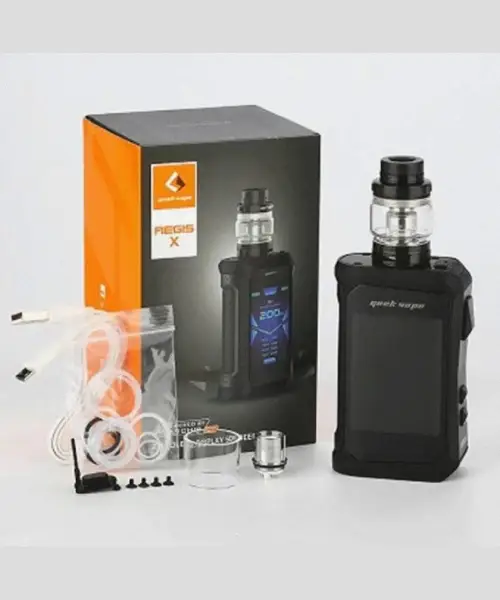
Box mods are a class of electronic vaping devices whose housings are often larger and more rectangular than slim pen-style devices. The word mod originally reflected a history of device modification, but modern retail terminology uses it broadly for manufactured products with integrated electronics. A box-shaped body may contain a battery compartment, circuit board, display, controls, and connectors. These descriptions identify hardware categories rather than indicating safety or suitability.
A device that appears substantial or technologically sophisticated can still expose people to nicotine, cannabis compounds, aerosol particles, and device-related hazards. Electronic protection features can fail, batteries can deteriorate, and packaging claims may be incomplete. The most useful educational question is not whether a device is advanced, but what its parts are, how manufacturers describe them, and which safety and regulatory concerns apply.
What Advanced Vape Kits Means
Advanced vape kit is an umbrella marketing term rather than a precise scientific or regulatory classification. It may describe a larger electronic body, a detachable liquid reservoir, replaceable components, or more elaborate status indicators. The word kit can imply that multiple parts are packaged together, but it does not guarantee that they are compatible or that every component has undergone independent testing.
Consumers researching this category encounter terms such as mod, pod, cartridge, tank, atomizer, battery, and controller. Those terms refer to different functions. Mixing them together obscures the distinction between an electrical power source and the liquid or material that may be aerosolized. Clear terminology helps readers interpret claims without needing to operate the device.
Box Mods Compared With Vape Pens
A vape pen is usually described as a narrow cylindrical or pen-like device. A box mod generally has a wider enclosure and may include a screen or multiple controls. Both names describe outward design more than exposure or medical risk. Neither is a regulated assurance of quality, and the same broad term may cover products with very different internal construction.
Searches for vape pen battery and vape pen for carts commonly overlap with box-mod discussions because all involve portable power sources. However, a shared vocabulary does not mean that parts from different product families are interchangeable. The design of an electrical connector alone cannot establish safe electrical or mechanical compatibility.
How Device Components Are Described
Educational diagrams commonly divide electronic vaping devices into an enclosure, energy source, control electronics, connector, heating assembly, reservoir, and mouthpiece. Some products combine several functions in a sealed unit. Others separate them into modules. Each arrangement has potential failure points, including seals, wiring, contacts, and the battery housing.
Understanding components is different from instructions to assemble, modify, or activate a device. For public safety, manufacturers and regulators emphasize approved equipment, product-specific documentation, and avoidance of improvised repairs. This guide does not provide operating settings, wiring directions, or steps for consuming nicotine or cannabis.
Why this distinction matters
Readers often encounter the same terminology across several search results even when the products, ingredients, or regulations differ. Clear definitions reduce confusion. A familiar name is not a safety standard, and a feature that sounds innovative does not prove reduced exposure. For accurate understanding, the source, scope, and limitations of each claim should be identified before drawing conclusions.
Integrated Batteries and Removable Cells
A battery may be built into a device or housed in a removable compartment. Both approaches involve rechargeable energy storage with potential risks from heat, impact, internal damage, or manufacturing defects. Lithium-ion chemistry is common in portable electronics, and a battery failure can involve rapid heating or fire.
An integrated battery can reduce direct handling of cells but does not eliminate hazards. A removable cell may be more exposed to damage or contact with loose metal objects. The presence of a charging port, battery icon, or brand logo does not prove that a product has undergone reliable safety evaluation.
Understanding Battery Ratings
Battery-related language can include capacity, nominal voltage, discharge characteristics, and protection circuitry. These are engineering properties, not simple rankings of which device is safest. Different test methods and manufacturers may report figures differently. Unsupported ratings or counterfeit markings can create misleading impressions of performance.
Battery safety cannot be established from a single number. The enclosure, contacts, charger design, electronics, temperature management, and condition of the cell all matter. Damaged or swollen batteries, unusual heat, and visible deformation are warning signs that call for avoiding handling or operation and seeking appropriate professional guidance.
Charging and Fire Risks
Charging incidents are a recognized hazard of lithium-ion devices. Electrical faults, physical damage, inappropriate accessories, and defective components can increase risk. The safest public-health advice is to follow manufacturer warnings and relevant fire-service guidance, rather than rely on generalized instructions copied from unrelated products.
Devices and batteries should be kept away from children. If a battery shows signs of damage, heat, swelling, or leakage, do not attempt home repairs. Local fire-safety authorities and waste programs can advise on appropriate handling and disposal. An ordinary household rubbish bin is not a suitable destination for many rechargeable batteries.
Connectors and Compatibility Claims
Terms such as 510 connector or 510-thread appear frequently in cartridge and battery discussions. The designation refers to a widely used connection format, but the appearance of matching threads is not a comprehensive safety certification. Electrical, mechanical, and manufacturer-specific differences can remain.
Keyword phrases such as vape carts battery, vape pen for carts, and 510 vape carts describe search interests, not evidence that any particular cartridge is appropriate for a given power source. Product documentation and regulatory oversight matter more than broad claims of universal compatibility.
Why this distinction matters
Readers often encounter the same terminology across several search results even when the products, ingredients, or regulations differ. Clear definitions reduce confusion. A familiar name is not a safety standard, and a feature that sounds innovative does not prove reduced exposure. For accurate understanding, the source, scope, and limitations of each claim should be identified before drawing conclusions.
Cartridges, Pods, and Tanks
A cartridge is generally a container associated with an aerosol-generating device. A pod is a similar term often used for a proprietary or integrated format. A tank may refer to a refillable reservoir design. These labels overlap in advertising, and they do not reliably identify what a liquid contains.
The materials in contact with liquid, the integrity of seals, and the identity of the manufacturer can affect product safety. The fact that a reservoir fits a connector does not show that its ingredients are safe to inhale. Readers should separate questions about hardware construction from questions about the chemical composition of an aerosol.
Coils and Heating Assemblies
Heating assemblies convert electrical energy into heat and are often described using terms such as coil, ceramic heater, mesh, or atomizer. Different designs may use metals, ceramics, and insulating materials. Their behavior depends on engineering choices and manufacturing quality.
Public-health research has identified concerns about emissions from vaping products, including fine particles and potentially harmful substances. A technical feature such as mesh or ceramic does not establish that an aerosol is harmless. This guide explains the vocabulary without supplying heating instructions or settings.
Displays and Electronic Controls
Some advanced devices display battery status, fault indicators, or other information. Electronic protections may be marketed as safeguards against short circuits or excessive temperatures. Their presence is useful to understand conceptually, but product claims should not be treated as independently verified safety guarantees.
A display cannot diagnose every internal fault. Software and sensors are only parts of a larger electrical system. Readers should be cautious of unsupported claims that advanced electronics eliminate the health risks associated with inhaling nicotine or cannabis aerosols.
Disposable Versus Modular Designs
Disposable and modular are product-design descriptions. Disposable products generally integrate more components into a single unit, while modular devices separate certain parts. The difference affects waste streams, battery recovery, repairability, and the number of component interfaces.
Neither category is automatically environmentally friendly. Disposable electronics contribute batteries, plastics, and metals to waste streams. Modular products may generate fewer discarded enclosures in some circumstances, but that does not remove the need for safe battery collection or establish any health benefit.
Why this distinction matters
Readers often encounter the same terminology across several search results even when the products, ingredients, or regulations differ. Clear definitions reduce confusion. A familiar name is not a safety standard, and a feature that sounds innovative does not prove reduced exposure. For accurate understanding, the source, scope, and limitations of each claim should be identified before drawing conclusions.
Nicotine, CBD, and THC Terminology
The hardware terms vape pen, vape cart, and box mod can appear in searches about nicotine, CBD, or THC. These are distinct chemical categories. Nicotine is addictive. THC can cause intoxication and impairment. CBD does not generally produce a THC-like high but may have side effects and medication interactions.
A device description does not reveal what substance is present. The same visual design may be discussed alongside different formulations, and labels can be inaccurate. Public-health advice emphasizes that inhaled products carry risks and that young people should not use nicotine or cannabis vaping products.
THC Vape Oil and Cartridge Searches
Searches such as THC vape oil, THC oil vape, and THC vape oil cartridges describe a broad set of cannabis-related products. They do not establish product authenticity, regulatory status, ingredient quality, or suitability for any device. California has a regulated cannabis framework with specific licensing and testing requirements.
Unregulated THC vaping products have been associated with serious lung injuries, particularly where harmful additives or contaminated ingredients were present. Readers should not assume that a familiar brand name, attractive packaging, or online popularity establishes safety.
CBD Vape Products and Inhalation Concerns
CBD vape pen and CBD vape oil are frequent keyword phrases, but inhaled CBD products raise different questions from oral CBD oils or topical creams. Ingredients that are suitable in food or skincare formulations are not automatically suitable for inhalation.
CBD itself can interact with medications and affect liver enzymes. The FDA has raised concerns about unapproved CBD products and unsupported therapeutic claims. Descriptions such as natural, pure, or hemp-derived do not replace evidence about a specific formulation or its inhalation risks.
Aerosols Are Not Harmless Water Vapor
Vaping aerosol is not simply water vapor. Depending on the product, it can contain nicotine, cannabinoids, solvents, fine particles, and other chemicals. Exposure depends on the formulation and device, and some harmful substances may arise during heating.
The absence of tobacco smoke does not make an aerosol harmless. Public-health agencies warn about nicotine addiction, risks to adolescent brain development, and uncertainties surrounding long-term exposure to many newer products. Device marketing should be evaluated in that context.
Why this distinction matters
Readers often encounter the same terminology across several search results even when the products, ingredients, or regulations differ. Clear definitions reduce confusion. A familiar name is not a safety standard, and a feature that sounds innovative does not prove reduced exposure. For accurate understanding, the source, scope, and limitations of each claim should be identified before drawing conclusions.
Battery Incidents and Warning Signs
Portable battery-powered products can fail unexpectedly. Visible swelling, unusual heat, smoke, leaking fluid, damage to a case, or a chemical odor can signal a serious problem. These warning signs should not be dismissed as ordinary wear.
Avoid trying to repair a damaged lithium-ion battery or improvising a charging arrangement. If a device becomes hot or begins smoking, move away and follow local emergency guidance. Battery incidents are electrical and fire-safety events, not merely inconveniences associated with a consumer gadget.
Counterfeit Devices and Misleading Labels
Counterfeit packaging may imitate established brands, safety markings, or laboratory reports. A printed serial number or QR code can be copied, and a polished website does not guarantee legitimate manufacturing. Claims about universal compatibility or extraordinary battery performance deserve scrutiny.
A credible safety assessment considers traceable manufacturer information, coherent labeling, applicable standards, and reliable documentation. Even then, authenticity alone does not eliminate health risks from inhalation. Consumers should distinguish counterfeit concerns from broader questions about whether a product category is safe.
Laboratory Reports and Their Limits
A certificate of analysis may describe the composition of a tested liquid or cannabis batch. It is not necessarily a test of the device electronics, battery, enclosure, or emissions during use. Different tests answer different questions, and results are only as meaningful as the sampling and laboratory methods behind them.
A report should not be treated as a universal guarantee. It may refer to a different batch, omit relevant contaminants, or fail to address electrical safety. Device documentation and liquid testing should not be conflated simply because both are described as quality assurance.
California Regulatory Context
California regulates tobacco and cannabis products through overlapping but distinct frameworks. The relevant requirements can involve age restrictions, retail licensing, labeling, packaging, and product-specific rules. Federal law and FDA authority may also apply.
Legal status can change and differs by substance and product category. Readers should consult official state agencies rather than assume that a keyword, product label, or retail listing proves legal compliance. This article does not verify any individual business license or inventory.
Why this distinction matters
Readers often encounter the same terminology across several search results even when the products, ingredients, or regulations differ. Clear definitions reduce confusion. A familiar name is not a safety standard, and a feature that sounds innovative does not prove reduced exposure. For accurate understanding, the source, scope, and limitations of each claim should be identified before drawing conclusions.
Age Verification and Youth Protection
Age-verification rules are intended to restrict access to regulated products. A policy posted on a website can explain a business approach, but legal compliance depends on actual practices and applicable law. The public-health rationale includes risks of nicotine addiction and cannabis exposure among young people.
For a neutral explanation of the business policy, see Sal’s Tobacco & More’s age-verification page. The information here is not a guide to bypassing identification requirements or obtaining age-restricted goods.
Environmental Impacts and E-Waste
Electronic vaping products can contain lithium-ion batteries, metals, plastics, and residual chemical contents. Throwing them into general waste may create fire hazards during collection or processing. Local programs vary in what they accept.
The environmental discussion should include extraction of raw materials, manufacturing, packaging, and disposal. Product descriptions that focus only on rechargeable or reusable features may overlook other sources of waste. Local recycling authorities can provide specific guidance for hazardous household electronics.
How Search Keywords Can Mislead
Search phrases such as best box mod, advanced vape kit, vape pen battery, or carts vape are not standardized technical categories. Search popularity measures interest, not reliability or safety. Keyword research should be used to answer readers’ questions accurately rather than repeat unsupported marketing claims.
The three uploaded keyword lists mainly cover THC vape oil, vape cartridges, and vape pens. They are useful for explaining how these categories overlap with box-mod vocabulary, but they do not provide evidence about product safety, comparative performance, or local availability.
Business Information for Central California
Sal’s Tobacco & More describes a business presence in Dinuba and Hanford, serving surrounding Central California communities. Business locations and hours are separate from any claim about the availability or legality of a particular vaping product.
Readers seeking general company information can use the About Us and Contact Us pages. This guide does not recommend particular age-restricted items, list product prices, or confirm inventory at any store.
Why this distinction matters
Readers often encounter the same terminology across several search results even when the products, ingredients, or regulations differ. Clear definitions reduce confusion. A familiar name is not a safety standard, and a feature that sounds innovative does not prove reduced exposure. For accurate understanding, the source, scope, and limitations of each claim should be identified before drawing conclusions.
Questions to Ask About Claims
A useful way to evaluate any technical claim is to identify exactly what is being asserted. Does a safety statement concern the battery, the liquid, the enclosure, or the aerosol? Is it supported by a recognized testing method? Is the claim about a particular batch or an entire product family?
These questions apply well beyond vaping. Precise claims are more meaningful than broad labels such as premium, powerful, professional, or advanced. Readers benefit from understanding what a statement does and does not establish, especially when health or electrical safety is involved.
Reading Product Documentation Critically
Documentation can include warnings, manufacturer identity, electrical specifications, battery statements, and disposal information. The absence of clear documentation can make it difficult to assess a device. However, documentation is not the same as an independent safety evaluation.
Technical language can be persuasive even when it is incomplete. A model name, numerical rating, or list of protective features should not be interpreted as proof of a safer inhalation experience. Public-health information and engineering information answer different questions.
Why Medical Claims Need Evidence
Marketing for nicotine, CBD, or THC devices sometimes implies stress relief, improved sleep, or other health outcomes. Such statements may exceed the available scientific evidence or applicable approvals. An electronic delivery system does not make an unapproved health claim more reliable.
People concerned about anxiety, sleep, pain, or substance dependence should speak with a qualified healthcare professional. A retailer’s educational article should not imply that vaping is a treatment or a substitute for evidence-based care.
Public Health and Long-Term Research
The long-term consequences of different vaping formulations remain an active area of research. Device designs, liquids, and usage patterns have changed rapidly, complicating comparisons across studies. Evidence about one substance or product generation may not transfer directly to another.
The CDC, FDA, and other public-health organizations publish updates on nicotine, cannabis, lung injury, and youth exposure. A responsible article should acknowledge uncertainty rather than promise safety based on a novel technology or a popular design feature.
Why this distinction matters
Readers often encounter the same terminology across several search results even when the products, ingredients, or regulations differ. Clear definitions reduce confusion. A familiar name is not a safety standard, and a feature that sounds innovative does not prove reduced exposure. For accurate understanding, the source, scope, and limitations of each claim should be identified before drawing conclusions.
Summary of Key Distinctions
Box mods, vape pens, pods, cartridges, and tanks are terms for different hardware configurations or components. Battery ratings describe electrical properties. Nicotine, CBD, and THC describe substances. Laboratory reports, legal licenses, and marketing claims each address different questions.
Understanding these distinctions helps readers interpret search results without assuming that compatibility means safety, that laboratory testing means medical approval, or that legal availability means an absence of health risk. Reliable information is more valuable than unsupported superlatives.
Device terminology at a glance
The table below is descriptive, not a ranking or recommendation. Product categories can overlap, and naming conventions vary between manufacturers.
| Term | Generally describes | Important limitation |
|---|---|---|
| Box mod | Wider electronic enclosure | Shape does not establish safety |
| Vape pen | Pen-like device format | Can refer to several substances |
| Pod | Often proprietary reservoir unit | Names and interfaces vary |
| Cartridge | Container associated with a device | Appearance does not establish contents |
| Tank | Reservoir assembly | Material and seal quality vary |
| Battery | Stored electrical energy | Ratings alone do not prove safety |
| 510 connector | Common connection format | Not universal compatibility assurance |
| Atomizer | Aerosol-generating heater assembly | Emissions depend on many factors |
Aerosol safety, electrical safety, and legal compliance are separate dimensions. The presence of one favorable feature should not be used to infer the others. This is especially important where advertisements combine multiple technical terms into a single reassuring message.
Related Sal’s Tobacco & More educational pages
These internal links provide additional terminology, business policies, and background context. Some article titles reflect common search language; a title should not be read as a recommendation to obtain or use age-restricted products.
About Us
Explore related background, terminology, or business information in the Sal’s Tobacco & More resource library.
Age Verification Policy
Explore related background, terminology, or business information in the Sal’s Tobacco & More resource library.
Contact Us
Explore related background, terminology, or business information in the Sal’s Tobacco & More resource library.
Vape Pen
Explore related background, terminology, or business information in the Sal’s Tobacco & More resource library.
Vape Pods & Pod Systems Explained
Explore related background, terminology, or business information in the Sal’s Tobacco & More resource library.
Vape Carts Explained
Explore related background, terminology, or business information in the Sal’s Tobacco & More resource library.
Best Ever Batteries for Vape Device
Explore related background, terminology, or business information in the Sal’s Tobacco & More resource library.
THC Vape Oil Explained
Explore related background, terminology, or business information in the Sal’s Tobacco & More resource library.
CBD Vape Oil, Pens and Cartridges
Explore related background, terminology, or business information in the Sal’s Tobacco & More resource library.
Vape Juice & E-Liquid Explained
Explore related background, terminology, or business information in the Sal’s Tobacco & More resource library.
How Much Does a Vape Cost?
Explore related background, terminology, or business information in the Sal’s Tobacco & More resource library.
Vaping for Beginners
Explore related background, terminology, or business information in the Sal’s Tobacco & More resource library.
Refund and Returns Policy
Explore related background, terminology, or business information in the Sal’s Tobacco & More resource library.
Official public-health and regulatory sources
For independent information, consult the CDC’s e-cigarette resources, FDA tobacco product information, California Department of Cannabis Control, and EPA guidance on lithium-ion battery disposal. These sources cover different aspects of public health, product oversight, and electrical waste; none should be treated as a blanket approval of vaping.
Sal’s Tobacco & More: Central California locations
Sal’s Tobacco & More has served Central California communities since 2009. The following business information is supplied for general reference, not as confirmation of product availability.
Dinuba
647 W El Monte Way
Dinuba, CA
Daily: 9 AM–9 PM
Hanford — Downtown
110 N 11th Ave
Hanford, CA
Mon–Sat: 8 AM–10 PM
Sun: 8 AM–9 PM
Hanford — North
2563 N 11th Ave
Hanford, CA
Mon–Sat: 9 AM–10 PM
Sun: 9 AM–9 PM
For company background, see the About Us page. For general inquiries, visit Contact Us. For identification requirements, see the Age Verification Policy.
Frequently asked questions about box mods and advanced vape kits
These answers explain common searches without providing instructions for using, modifying, or obtaining regulated products.
1. What is a box mod?
It is a category of electronic vaping device commonly identified by a wider, box-shaped enclosure and control electronics. This is a general explanation; specific products can differ and applicable rules may change.
2. What makes a vape kit advanced?
Advanced is a marketing term often associated with additional electronic controls or separate components, not an official safety category. A term used in advertising is not necessarily a regulated technical definition, and public-health or manufacturer documentation may address different issues.
3. Is a box mod the same as a vape pen?
No. The names generally refer to different form factors, although their electronic functions may overlap. This is a general explanation; specific products can differ and applicable rules may change.
4. Are box mods safe?
No electronic vaping product should be assumed risk-free. Battery hazards and aerosol-related health risks remain relevant. A term used in advertising is not necessarily a regulated technical definition, and public-health or manufacturer documentation may address different issues.
5. What is a vape pen battery?
It is the energy source associated with a pen-style device; the term does not specify a universal design. This is a general explanation; specific products can differ and applicable rules may change.
6. What is a vape carts battery?
It is a search phrase for a power source associated with cartridge-style hardware; compatibility and safety are product-specific. A term used in advertising is not necessarily a regulated technical definition, and public-health or manufacturer documentation may address different issues.
7. What does 510 mean?
It describes a common connector format, not a comprehensive certification of electrical or mechanical compatibility. This is a general explanation; specific products can differ and applicable rules may change.
8. What is a vape cartridge?
A cartridge is generally a container used within a vaping device, sometimes integrating a heating element. A term used in advertising is not necessarily a regulated technical definition, and public-health or manufacturer documentation may address different issues.
9. How are pods different from cartridges?
Pod and cartridge terminology can overlap; pod often describes a proprietary or integrated format. This is a general explanation; specific products can differ and applicable rules may change.
10. What is an atomizer?
An atomizer is a heating assembly that generates aerosol from a formulation. A term used in advertising is not necessarily a regulated technical definition, and public-health or manufacturer documentation may address different issues.
11. What is a mesh coil?
Mesh refers to one possible heating-element design; the name does not establish aerosol safety. This is a general explanation; specific products can differ and applicable rules may change.
12. What is a ceramic heater?
It is a heating assembly incorporating ceramic material; its safety depends on the overall device and formulation. A term used in advertising is not necessarily a regulated technical definition, and public-health or manufacturer documentation may address different issues.
13. Do digital screens prevent accidents?
No. Screens and electronics may display information but cannot prevent every hardware failure. This is a general explanation; specific products can differ and applicable rules may change.
14. Can batteries overheat?
Yes. Lithium-ion batteries can overheat, particularly when damaged or defective. A term used in advertising is not necessarily a regulated technical definition, and public-health or manufacturer documentation may address different issues.
15. Are removable batteries safer?
Not necessarily. Both integrated and removable batteries have potential hazards. This is a general explanation; specific products can differ and applicable rules may change.
16. What should I do with a swollen battery?
Avoid handling or using it and seek guidance from local battery-safety or hazardous-waste professionals. A term used in advertising is not necessarily a regulated technical definition, and public-health or manufacturer documentation may address different issues.
17. Can a vape battery go in household rubbish?
Many lithium-ion batteries require specialized collection because they can create fires in waste streams. This is a general explanation; specific products can differ and applicable rules may change.
18. Is vaping aerosol only water?
No. Aerosols can contain chemicals and fine particles, depending on the product. A term used in advertising is not necessarily a regulated technical definition, and public-health or manufacturer documentation may address different issues.
19. Are nicotine vapes addictive?
Nicotine is addictive and can affect adolescent brain development. This is a general explanation; specific products can differ and applicable rules may change.
20. Does CBD vaping have risks?
Yes. Inhalation risks, labeling issues, medication interactions, and regulatory concerns may apply. A term used in advertising is not necessarily a regulated technical definition, and public-health or manufacturer documentation may address different issues.
21. Can THC vaping cause impairment?
Yes. THC can cause intoxication and impairment. This is a general explanation; specific products can differ and applicable rules may change.
22. Does a COA test the battery?
A liquid certificate of analysis generally does not establish electrical or battery safety. A term used in advertising is not necessarily a regulated technical definition, and public-health or manufacturer documentation may address different issues.
23. Does laboratory testing mean FDA approval?
No. Laboratory results and FDA product approval are distinct concepts. This is a general explanation; specific products can differ and applicable rules may change.
24. Are all vape devices legal in California?
No. Legal status depends on the specific product, substance, and applicable rules. A term used in advertising is not necessarily a regulated technical definition, and public-health or manufacturer documentation may address different issues.
25. What is a counterfeit vape?
A product or package that falsely presents itself as an authentic manufacturer item. This is a general explanation; specific products can differ and applicable rules may change.
26. Can QR codes be copied?
Yes. A QR code alone is not proof of product authenticity. A term used in advertising is not necessarily a regulated technical definition, and public-health or manufacturer documentation may address different issues.
27. Does rechargeable mean environmentally safe?
No. Rechargeability does not eliminate electronic waste or battery disposal hazards. This is a general explanation; specific products can differ and applicable rules may change.
28. Are advanced devices healthier than basic ones?
There is no general basis for treating a more elaborate device as harmless or medically beneficial. A term used in advertising is not necessarily a regulated technical definition, and public-health or manufacturer documentation may address different issues.
29. Does Sal’s Tobacco & More confirm stock in this guide?
No. The article provides general business information and does not verify inventory. This is a general explanation; specific products can differ and applicable rules may change.
30. Where can I read about California cannabis regulation?
The California Department of Cannabis Control publishes official regulatory information. A term used in advertising is not necessarily a regulated technical definition, and public-health or manufacturer documentation may address different issues.
31. Where can I read about vaping health risks?
The CDC and FDA publish public-health information about vaping products and related risks. This is a general explanation; specific products can differ and applicable rules may change.
32. Are device safety and liquid safety the same?
No. Electrical safety and the chemical safety of inhaled formulations are separate concerns. A term used in advertising is not necessarily a regulated technical definition, and public-health or manufacturer documentation may address different issues.