
What does “best vape flavors” mean?
The phrase best vape flavors appears in search results as if there were a universal answer. Flavor perception is subjective, and a person’s description of a sweet, minty, or fruity sensation is not a scientific measurement of safety. Rankings can also reflect paid placements, affiliate relationships, and selective product sampling.
A more useful approach is to explain the language that appears in product descriptions and distinguish taste marketing from chemical evidence. Sal’s Tobacco & More readers may encounter flavor-related searches alongside vape pen, vape pods, and CBD pens, but the search terms themselves do not establish that any particular product is appropriate or safe.
This article is a flavor-literacy guide rather than a recommendation list. It does not rank nicotine or cannabis products, suggest what to try, or offer instructions for inhaling them. People who do not vape can avoid the associated exposure entirely.
Why flavor language is so influential
Flavor words are powerful because they evoke familiar foods and everyday experiences. A label that mentions berries, mint, or dessert can feel more approachable than a technical description of an aerosol device. That association can make a product seem less hazardous than it is.
The sensory associations of food should not be transferred automatically to inhalation. Ingredients that are acceptable to eat can behave differently when heated, aerosolized, and delivered to the lungs. The marketing term flavor is therefore not a complete description of what a person might inhale.
Public-health researchers pay particular attention to flavor marketing because it can attract younger audiences. Descriptions, packaging colors, and social-media trends can reinforce one another, making evidence-based risk communication more important.
Fruit flavor terminology
Fruit terms such as berry, mango, peach, watermelon, and citrus commonly appear in discussions of vaping flavors. These are descriptors of an intended sensory impression rather than proof that a formulation contains fruit or fruit juice. The chemicals responsible for a familiar smell can be quite different from the whole food.
A fruit-themed label cannot establish whether a product contains nicotine, CBD, THC, or other substances. Nor can it establish the composition of the aerosol after heating. A marketing description is only one part of the information a reader would need to interpret a product claim.
Search-engine results may group many fruit-labeled products together even when their devices, manufacturers, and regulatory status differ. That is why an informational guide should explain the category without turning it into a list of products to purchase.
Mint, menthol, and cooling language
Mint and menthol are often discussed together, but the words do not mean exactly the same thing. Mint may describe an herb-associated flavor profile, while menthol is a compound associated with a cooling sensation. Packaging can use these terms loosely or combine them with other flavor descriptors.
A cooling sensation is not evidence that inhaled aerosol is less harmful. Sensory effects may change how exposure feels without changing the underlying health concerns. Nicotine remains addictive regardless of the flavor label attached to a product.
A critical reader should separate what a label promises to feel like from what public-health evidence establishes. This distinction matters especially for younger people, who may encounter appealing cooling imagery without equivalent attention to risks.
Dessert and bakery descriptors
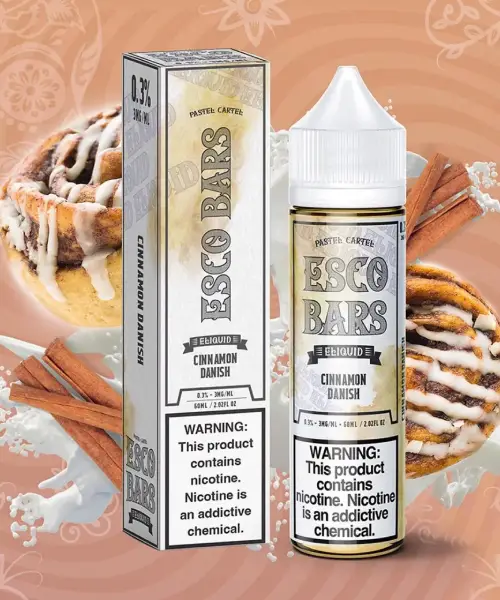
Dessert-themed descriptions may refer to vanilla, custard, caramel, pastry, or other familiar tastes. The terms are designed to suggest an experience, not to document the ingredients or emissions of an electronic aerosol device. A label that sounds like a food product can still describe a substance intended for inhalation.
Some flavoring chemicals have been studied in occupational or inhalation contexts, and the safety of eating an ingredient cannot be assumed to apply to breathing it. Heating may also change the chemical mixture. It is important not to treat food-related imagery as a shortcut for evaluating risk.
Marketing language can be vivid while providing very little verifiable information. Educational content should identify the limits of these descriptors rather than praising particular dessert formulations.
Candy and sweet-shop descriptions
Candy-style language uses sweetness and nostalgia to create recognizable associations. These terms can be especially salient to young audiences, which is one reason public-health discussions examine flavored tobacco-product marketing.
Sweetness in a product description does not tell readers whether the aerosol contains nicotine or other harmful constituents. It also does not establish accurate labeling, manufacturing quality, or legal authorization. The name is a marketing cue rather than a health assessment.
When writing about candy-themed labels, the responsible emphasis is on how language affects perception and why familiar imagery should not be confused with safety. This guide avoids presenting sweet-flavored vaping products as treats or desirable experiences.
Beverage-inspired flavor names
Beverage descriptions can evoke coffee, soda, lemonade, or other drinks. They may combine several sensory words in one name, making product categories appear more varied than their underlying chemistry or hardware would suggest.
The fact that a beverage is routinely consumed does not make a similarly named aerosol safe to inhale. Formulations for food and inhalation have different exposure pathways. Product names are not a substitute for ingredient disclosures or independent evidence.
Readers researching vape juice flavors should recognize that beverage labels describe intended impressions. They do not certify that a product has been reviewed by a medical authority or that the emissions have been comprehensively characterized.
Tobacco-flavored descriptions
Tobacco-flavored is a marketing category that may refer to a profile intended to resemble aspects of tobacco. It does not necessarily mean that a product contains tobacco leaf, nor does it indicate that the device is safer than products with other descriptors.
The central health questions concern the actual substances delivered and the exposure they create. Nicotine may be present in products with many different flavor names. The presence or absence of a tobacco-related word does not resolve dependence risk.
A responsible comparison distinguishes between a flavor category and a tobacco product’s regulatory status. FDA authorization, where relevant, is product-specific and cannot be inferred from a familiar label.
Mixed flavor names and layered claims
Product descriptions often combine two or more categories, such as fruit with cooling language or dessert with beverage language. These combinations make search results appear highly specific while revealing little about the chemical profile of the aerosol.
A long or imaginative flavor name is not a technical specification. It should not be used to infer purity, concentration, or consistency between batches. Likewise, a review that says a flavor is smooth is describing a subjective sensation, not measuring respiratory safety.
For educational SEO writing, mixed flavor names can be discussed as examples of marketing taxonomy. Repeating them as endorsements would overstate what the evidence supports.
Flavor names versus ingredients
An ingredient list, when accurate and complete, can provide more concrete information than a flavor name. However, it may still describe the liquid rather than every substance formed when that liquid is heated. Aerosol chemistry can depend on the device and conditions.
Some ingredients have names that are unfamiliar to non-specialists. That does not automatically make them dangerous, just as familiar food-related names do not automatically make them safe. Evaluating inhalation exposure requires appropriate evidence.
The key distinction is between a product’s intended sensory identity and its measurable composition. A brand’s advertising may focus on the first while leaving the second difficult to assess.
Why “food grade” is not an inhalation guarantee
The phrase food grade refers to a context involving food-related standards and intended uses. It does not mean that a substance has been proven safe to inhale. The digestive system and lungs encounter chemicals in different ways.
When a liquid is heated, some ingredients may transform or interact with device components. A claim based on food use does not automatically address these processes. Public-health guidance warns against equating flavored aerosol with harmless water vapor.
Readers should treat food-grade claims as narrow statements requiring context, not as blanket assurances. This is especially important when a product’s branding strongly resembles candy or dessert packaging.
Understanding aerosol rather than vapor
Vaping products are commonly said to produce vapor, but the output is more accurately described as an aerosol containing suspended droplets or particles. Depending on the formulation and device, it can contain nicotine, metals, volatile compounds, and other substances.
Flavor is only one dimension of that exposure. A product can smell pleasant while producing an aerosol that is not harmless. The absence of burning tobacco does not turn the aerosol into clean air.
The CDC provides public-health information on e-cigarette aerosol and nicotine-related harms. Educational comparisons should prioritize these sources over product slogans that focus entirely on taste.
Flavor perception is subjective
People experience smells and tastes differently because of biological variation, prior experiences, and context. Descriptors such as bold, smooth, refreshing, or rich are subjective and can change with expectations.
This variability limits the usefulness of internet rankings. A highly rated flavor is not a scientifically validated winner, and a low-rated flavor is not necessarily more harmful. Taste opinions and health outcomes are different categories of evidence.
For readers evaluating online content, the useful question is whether an author clearly distinguishes personal impressions from measured facts. This article avoids using subjective flavor judgments to promote vaping.
Nicotine and flavor are separate variables
Nicotine is an addictive substance found in many electronic cigarette products. A flavor name does not reveal how much nicotine is present, whether the label is accurate, or what exposure might occur.
Nicotine can affect adolescent brain development, and dependence can involve cravings and withdrawal symptoms. Flavor marketing may make nicotine products more appealing without reducing these risks.
For people who have never used nicotine, there is no health benefit to beginning. People concerned about dependence can seek support from healthcare professionals or evidence-based cessation services.
Nicotine salts and pod systems
Nicotine salts are chemical formulations of nicotine discussed in connection with many pod-system products. The word salts does not mean that ordinary table salt has been added. The formulation relates to nicotine chemistry rather than a flavor category.
Searches for vape pods and refillable pods vape often appear near searches for flavors. That proximity can obscure the difference between a device reservoir, an ingredient, and a sensory descriptor. These are separate concepts.
Pod systems vary in design and are not universally interchangeable. A flavor label provides no evidence of device compatibility or electrical safety. This article does not offer operating or refilling instructions.
Disposable devices and flavor marketing
Disposable electronic cigarettes often place flavor names prominently on their packaging. The short-lived format may combine a battery, reservoir, heating element, and circuit board in one housing.
Marketing may emphasize convenience and flavor variety while giving less attention to waste, battery hazards, and chemical exposure. A disposable device can still contain a lithium-ion battery that requires careful disposal.
The presence of a recognizable flavor name should not distract from the product’s lifecycle and environmental burden. Local hazardous-waste guidance is more relevant to disposal than a product’s marketing category.
Vape pens and flavor-related searches
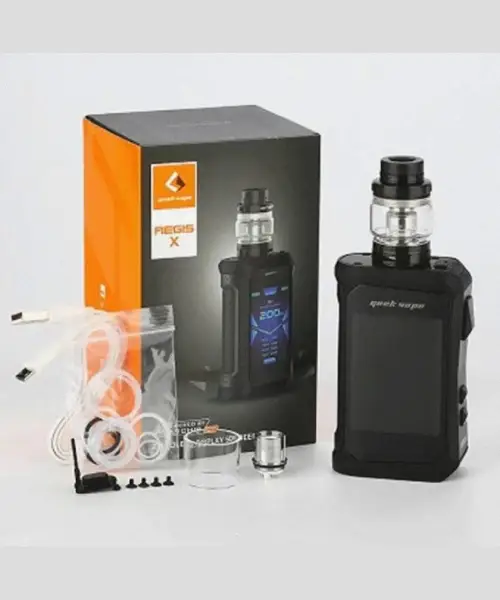
Vape pen is a broad term describing compact electronic aerosol devices. The category can overlap with disposables, cartridges, and other systems. A search for vape pen flavors therefore does not identify a single kind of hardware.
Some vape pens are associated with nicotine formulations, while other searches concern CBD or THC. The legal and health considerations can differ substantially. A flavor descriptor alone does not clarify the active substance.
Educational content should distinguish the hardware, the formulation, and the sensory marketing claim. Treating these as one thing leads to confusing or misleading comparisons.
CBD pens and flavored-product terminology
CBD pens are devices marketed in connection with cannabidiol. Searches may combine CBD vape pen with flavor names or health-related claims. CBD generally does not produce the same intoxication associated with THC, but it can cause adverse effects and interact with medications.
The FDA has approved a specific prescription CBD medicine for certain seizure disorders. That does not mean that retail CBD pens or flavored CBD aerosols are approved treatments for anxiety, insomnia, or pain.
Ingestible CBD oil and products marketed for inhalation are not interchangeable. The words CBD and flavor do not establish purity, suitability for inhalation, or medical benefit.
THC formulations and flavor claims
THC is a psychoactive cannabinoid that can impair memory, coordination, attention, and judgment. Some cannabis-related vaping products use familiar flavor language, but that marketing does not change the effects of THC.
The legal framework for cannabis products differs from that of many nicotine products. California regulates commercial cannabis through a licensing system, and rules for hemp-derived products may be different.
Unregulated vaping formulations have been linked to serious health concerns. A flavor name, brand popularity, or attractive package cannot establish that a product is lawful or safe.
Vape cartridges and labels
Vape carts is shorthand for vape cartridges. Cartridges may be associated with separate electrical components, and their contents can vary. Some searches concern nicotine, while others concern cannabinoids.
The word cartridge describes a component, not a flavor or a chemical. A listing that combines cartridge, flavor, and brand terms may leave important questions unanswered about the contents and regulatory status.
A connector name such as 510 does not establish universal compatibility or safety. Readers should not infer technical specifications from flavor-themed advertising.
Cooling claims are not health claims
Terms such as icy, cool, or fresh describe intended sensations. They are not evidence that an aerosol is cleaner, less addictive, or easier on the lungs. Sensory experience and toxicological risk are not interchangeable.
Marketing can exploit this confusion by making a product sound gentle or refreshing. A careful article should resist translating such language into unverified health benefits.
Nicotine exposure and other aerosol constituents remain relevant regardless of whether a label mentions cooling. For young people and non-users, avoiding vaping remains the safest choice.
Brand rankings and sponsored reviews
Online flavor rankings may earn revenue through advertising, affiliate arrangements, or sponsored placements. Commercial incentives do not automatically invalidate every statement, but they should be disclosed.
A list that ranks products without explaining its methodology offers limited evidence. Personal impressions, search popularity, and packaging aesthetics are not substitutes for chemical testing or public-health research.
This guide uses the word best in its title to address a common search question, not to award a commercial winner. No brand is endorsed.
Counterfeit products and misleading labels
Counterfeit products may imitate brand names, packaging colors, and flavor descriptions. An appealing label cannot confirm the manufacturer or composition of the contents.
Inaccurate ingredient or nicotine labeling can complicate exposure assessment. Packaging claims should not be treated as independently verified just because they look professional.
A counterfeit product can also introduce uncertainty about electrical components and manufacturing controls. Product authenticity and chemical safety are separate questions.
What laboratory testing can and cannot tell us
Laboratory testing can measure selected compounds or contaminants in a particular sample. The usefulness of a report depends on its methods, scope, laboratory, and connection to an identifiable product batch.
A certificate of analysis is not the same as medical approval. It does not guarantee that every item bearing the same brand name is identical or that all inhalation risks have been eliminated.
When reviewing flavor-related claims, readers should distinguish documented measurements from marketing phrases such as premium, pure, or lab tested.
California rules and flavor restrictions
California has rules governing tobacco products, including restrictions affecting flavored tobacco products, as well as age and retail requirements. Specific applications can depend on product classification and current law.
A product listed online is not necessarily lawful to sell in California. Likewise, a store’s general age-verification policy does not establish the legal status of every product that might be discussed on the internet.
Readers should consult current California Department of Public Health and other official agency resources for legal details. This article is educational information, not legal advice.
FDA authorization and marketing claims
The FDA regulates tobacco products, including many electronic nicotine delivery systems. A product’s presence in a search engine or retail advertisement does not prove FDA marketing authorization.
Statements such as FDA registered or FDA compliant can be misleading when presented as though they mean a particular product has been approved. Registration and product authorization are not interchangeable.
Brand and flavor claims should be checked against current official information where relevant. A flavor ranking cannot replace product-specific regulatory evidence.
Youth exposure and appealing packaging
Fruit, candy, and dessert imagery can attract attention because it resembles familiar food and entertainment branding. Public-health discussions examine how these themes can influence perceptions among adolescents.
Nicotine addiction and the effects of cannabis exposure are particularly concerning for young people. A product’s friendly visual identity does not make it appropriate for minors.
Families and educators can use the vocabulary in this guide to discuss marketing techniques and health risks without treating vaping as a desirable hobby.
Secondhand aerosol and shared spaces
Aerosol released into shared air can expose other people to substances they did not choose to inhale. Flavoring may affect the smell of the aerosol, but a pleasant odor does not prove that the exposure is harmless.
Indoor policies and public-health guidance seek to reduce involuntary exposure. People with respiratory conditions and children may be especially concerned about air quality.
Flavor discussions should therefore consider more than the preferences of an individual user. The effects on bystanders and shared environments are part of the public-health picture.
Environmental costs of flavored disposables
Disposable electronic aerosol devices may contain plastics, metals, batteries, and residual liquid. The number of flavor variants in a product line does not change the need to manage these materials responsibly.
Lithium-ion batteries can cause fires when crushed in waste trucks or recycling equipment. Devices that combine multiple materials can be difficult to process.
The term disposable should not be confused with biodegradable or harmless. Local household hazardous-waste services can provide guidance about battery-containing products.
Reading keyword data responsibly
The uploaded keyword files include terms such as vape pods, vape pen, CBD vape pen, and brand-related searches. Some entries are informational, while others are marked commercial or transactional. Search intent labels describe search behavior, not product safety.
A keyword spreadsheet can help identify terminology people want explained. It cannot establish ingredient composition, current inventory, regulatory authorization, or which flavor is objectively best.
For that reason, this article uses keyword themes as an editorial framework while avoiding claims about specific products or their availability at Sal’s Tobacco & More.
About Sal’s Tobacco & More
Sal’s Tobacco & More has served Central California communities since 2009. The business information supplied for this article identifies locations in Dinuba and Hanford.
The Dinuba location is at 647 W El Monte Way. Two Hanford locations are listed at 110 N 11th Ave and 2563 N 11th Ave. Store hours and other business details should be confirmed directly because they can change.
This article provides background and links to existing educational pages. It does not claim that any flavored nicotine or cannabis product is stocked, legally available, or recommended.
A safety-first conclusion
Flavor categories are a useful way to understand advertising, but they are not a basis for concluding that one vaping product is safe. Fruit, mint, dessert, and beverage labels describe intended sensory impressions rather than the complete aerosol chemistry.
Nicotine addiction, cannabinoid effects, battery safety, legal requirements, and electronic waste remain important regardless of how a product is marketed. Independent evidence and current official guidance deserve more weight than rankings or testimonials.
The clearest takeaway is that a familiar flavor name should not be mistaken for a health guarantee. People who do not vape avoid these exposures by not starting, and anyone concerned about nicotine dependence can seek evidence-based support.
Flavor descriptors compared: what the words do and do not mean
This table compares advertising terminology rather than products for purchase. It is intended to make flavor-related searches easier to interpret.
| Descriptor | Common association | What it cannot prove |
|---|---|---|
| Fruit | Berry, citrus or tropical imagery | Fruit ingredients or aerosol safety |
| Mint | Herbal or fresh impression | Absence of nicotine or harmful emissions |
| Menthol / cool | Cooling sensation | Reduced respiratory risk |
| Dessert | Bakery, vanilla or caramel imagery | Food-grade inhalation safety |
| Candy | Sweet-shop association | Appropriateness for young people |
| Beverage | Coffee, soda or lemonade imagery | That the aerosol resembles a safe drink |
| Tobacco-style | Familiar tobacco-associated description | Regulatory authorization or lower risk |
| Nicotine-free | A claimed formulation attribute | Complete absence of inhalation hazards |
These descriptions can overlap. A product may use several terms at once, but combining more flavor words does not increase the amount of verified safety information available to a reader.
Frequently asked questions
What are vape flavors?
They are marketing descriptions of the intended sensory character of an electronic aerosol formulation. A flavor name does not establish ingredients, nicotine content, or safety.
What does best vape flavors mean?
Best is a subjective ranking term. It does not identify an objectively safest or medically preferred vaping product.
Are fruit-flavored vapes made with fruit?
A fruit-related name does not prove that the product contains fruit or juice. It describes an intended flavor impression.
Are sweet vape flavors safer?
No. Sweetness and familiar food imagery do not establish that inhaling an aerosol is harmless.
Is menthol the same as mint?
Not exactly. Menthol is a compound associated with cooling, while mint may describe a broader plant-related flavor impression.
Does cooling mean less harmful?
No. Cooling sensations are sensory effects, not measurements of aerosol safety or nicotine risk.
What does dessert vape flavor mean?
It is a label that evokes bakery or dessert tastes. It does not mean the ingredients are safe to inhale.
Is vape aerosol only water vapor?
No. E-cigarettes produce aerosols that may contain nicotine, fine particles, metals, and other potentially harmful substances.
Are food-grade flavorings safe to inhale?
Food-related standards do not automatically establish inhalation safety. Eating and inhaling involve different exposure routes.
Are nicotine-free flavored vapes harmless?
No. Nicotine-free labels do not eliminate all inhalation risks, and label accuracy can vary.
Why are flavors discussed in youth prevention?
Appealing flavors and packaging can affect how young people perceive vaping products, while nicotine exposure can affect the developing brain.
Can vaping cause nicotine dependence?
Yes. Nicotine is addictive, and dependence can involve cravings and withdrawal symptoms.
What are vape pods?
Pods are reservoirs associated with pod-system devices. Some are sealed and some are described as refillable; neither label is a safety guarantee.
Are vape pods the same as vape pens?
No. Pod refers to a reservoir format, while vape pen is a broad device-shape category. The terms can overlap in marketing.
What is a CBD vape pen?
It is a device marketed in connection with cannabidiol. CBD can have adverse effects and medication interactions, and retail CBD pens are not FDA-approved treatments.
Are CBD vape pens proven to treat anxiety?
No. Claims that retail CBD vaping products treat anxiety should not be assumed valid. Medical questions should be discussed with a healthcare professional.
Is edible CBD oil the same as CBD vape oil?
No. Ingestible and inhalable formulations can differ and should not be treated as interchangeable.
What is a THC vape pen?
It is a device associated with THC formulations. THC can cause intoxication and impair memory, attention, and coordination.
Do flavor names tell you whether THC is present?
No. A flavor description does not establish the active ingredients or the accuracy of a label.
What are vape carts?
Vape carts is shorthand for cartridges, a component category that may be associated with nicotine or cannabinoid formulations.
Does 510 mean safe compatibility?
No. It is a connector-style term and does not certify electrical compatibility or overall device safety.
Are disposable vapes recyclable?
Many contain mixed materials and lithium-ion batteries that complicate disposal. Local hazardous-waste guidance is important.
Can vape batteries catch fire?
Lithium-ion batteries can overheat or fail, sometimes causing fires. Damaged devices should not be dismantled or experimented with.
What is a counterfeit vape product?
It is a product that imitates another brand without authorization. Packaging alone cannot confirm composition or authenticity.
Does lab tested mean harmless?
No. Testing may cover selected compounds in a sample, but it does not remove all exposure risks.
What is a certificate of analysis?
It is a report describing tests on a sample. It is not medical approval or proof that every product unit is identical.
Are flavored tobacco products restricted in California?
California has restrictions affecting flavored tobacco products. The applicable rules depend on product type and current law; consult official agencies.
Does FDA registered mean FDA approved?
No. Registration and marketing authorization are different concepts.
Are online flavor rankings independent?
Not always. Some rankings use sponsorships or affiliate arrangements, and subjective reviews are not safety evidence.
Does a pleasant smell mean secondhand aerosol is safe?
No. Odor and health risk are different questions. Bystanders may be exposed to aerosol constituents.
Can nicotine liquids be poisonous?
Yes. Accidental swallowing can be dangerous, especially for children. Suspected exposure warrants poison-control or emergency advice.
Does Sal’s Tobacco & More stock these flavors?
This article does not verify current inventory or product availability. It is an educational explanation of terminology and risks.
What is the safest choice for someone who does not vape?
Not starting avoids nicotine dependence and the inhalation risks associated with vaping.
Where can I read reliable vaping health information?
The CDC and FDA publish public-health information about electronic cigarettes, nicotine, and aerosol exposure.
How should I interpret flavor marketing?
Treat it as a sensory or advertising claim, not proof of purity, authorization, compatibility, or health benefits.
Are vape pens and CBD pens the same thing?
CBD pen is a more specific marketing category, while vape pen is a broad hardware term. The wording alone does not verify the contents.
Why are ingredient lists not enough?
They may describe a liquid but not every substance formed when it is heated into an aerosol.
Can a popular flavor still pose health risks?
Yes. Popularity does not determine aerosol chemistry, nicotine addiction risk, or product authorization.
Does a high puff count affect flavor safety?
A puff-count claim is a marketing metric, not a measurement of inhalation safety.
What should a responsible flavor guide emphasize?
Clear terminology, health risks, labeling limitations, current regulations, and the distinction between subjective preferences and verified evidence.